Shoulder-to-shoulder crowds walking on stinking hot asphalt is normal during first days of the Minnesota State Fair. Exhibit buildings and animal barns offer relief from a strong sun and the chance to gaze at huge dairy cows, fluffy bunnies, amazing artwork, quirky craft offerings. Plus opportunities to snack on fair food.
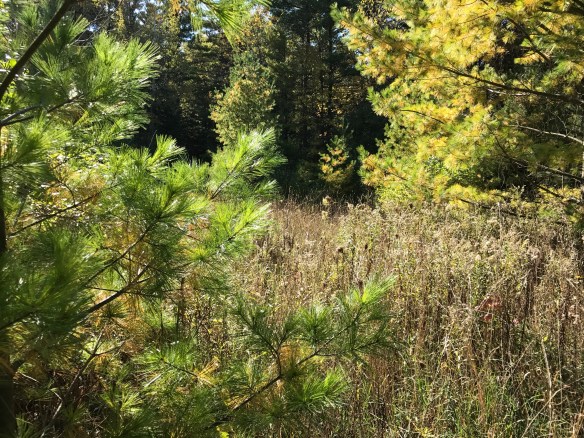
This year the first days felt wonderfully wrong. There were people in tank tops, shorts and flip flops, but many wore long sleeve t-shirts and jeans. With temps capped in the low seventies the great Minnesota get together drew record crowds. Weather folks hinted at a touch of fall in the air. Looking up some trees waving yellow leaves on their highest branches shared the same message.
Kids wearing big new shoes in advance of their first day of school. The state fair. Flowering plants browning as their glory days pass. Looking for predictors of what comes next, a common human habit, becomes easier. Then the Farmers’ Almanacshares its winter predictions and looking forward isn’t as much fun.
Except for the dwindling supplies of fresh vegetables and cut flowers, fall is my favorite season. Middle August’s splotches of yellow in treetops is just the start of the changing of the leaves. We have weeks and weeks of color to oooh and ahh, to bring inside, to place in books, to shuffle through during walks. Even in the city trees have their days of beauty. Trees show their true colors to everyone. Everyone.
Future generations may have less to enjoy. Years ago researching Midwest climate for my Ashwood books which end near 2050, the future of many familiar trees saddened me. Warmer temps will upset the wintering of fruit trees, some of our urban canopy trees will not tolerate the changes, pine tree forests will die.
Hug a tree. Make a promise to do what you can to keep the world green. Fill your memory with gold, red, and orange leaves waving on trees near your home. Oooh. Ahhh.