 We’re grateful for all of our readers. We hope you’re spending the day with people you love.

We’re grateful for all of our readers. We hope you’re spending the day with people you love.
The move looked like upheaval, but changes had reverberated through our lives for several years before my husband and I sold our house. Our sons no longer needed us daily, so we had stepped back into an advisory role. We focused more on fun, less on careers. The shift—from raising children and working full-time—was as natural and inevitable as tectonic plates moving.

Our old house
We dreamed of a new life. The vision was a little vague—we wanted to live in the Twin Cities instead of the suburbs, in a neighborhood where we could walk to shops and restaurants, in a house with more character, less yardwork.
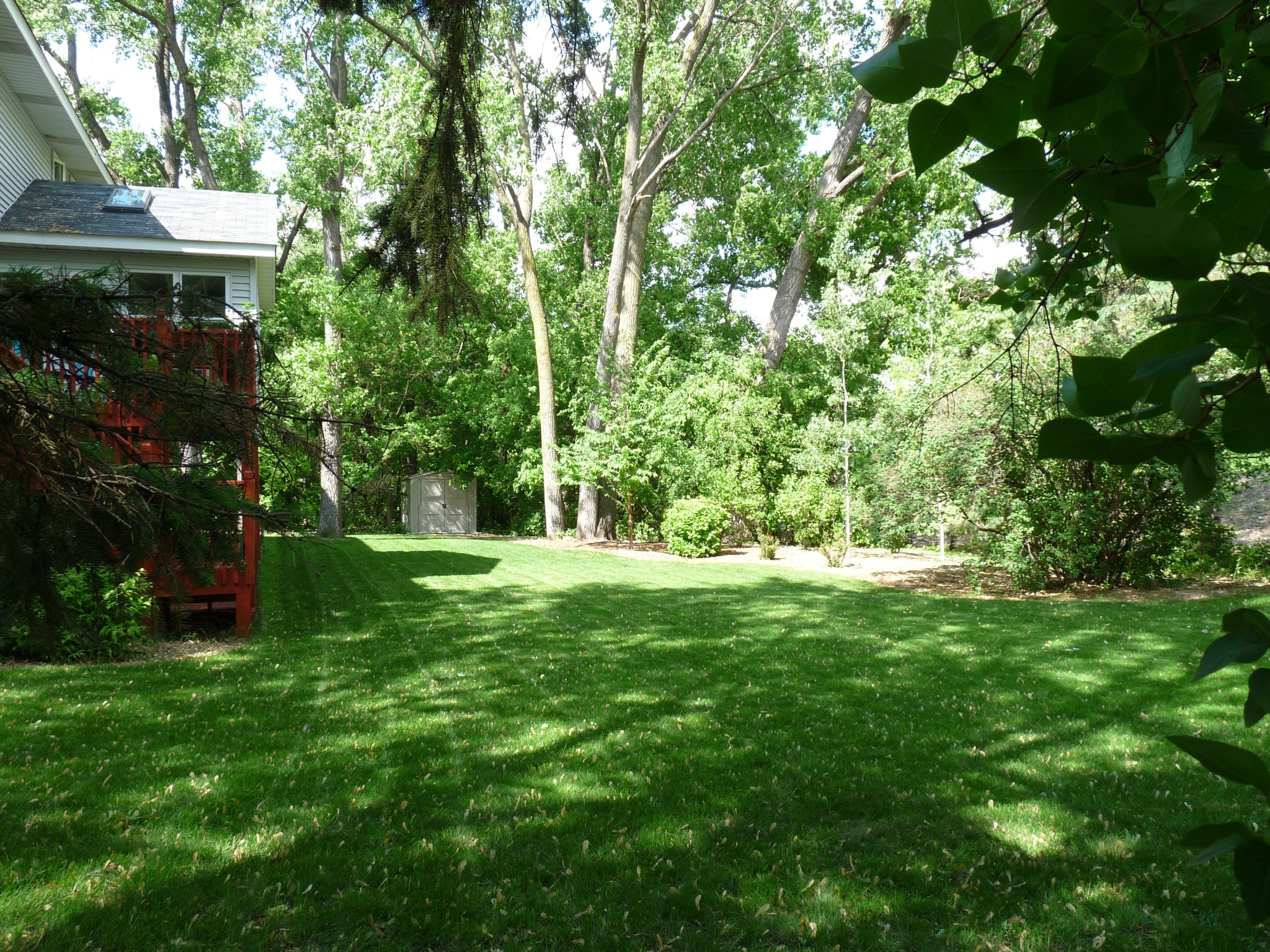
Our old backyard
What we chose is a 90-year-old, story-and-a-half house with a postage stamp-sized yard to replace our 40-year-old, three-story walkout with a generous yard.

Our new house

New yard
But the change is deeper and broader than square feet and location. We chose a life that offered new possibilities. We are counting on ourselves to invent the life that goes with it.
Although I’m pleased with the new home we chose, occasionally I feel disoriented. Everything that was familiar has changed. How much room we need. How much activity we want. How much noise we can stand. How to stay connected to people who no longer live nearby. How to be good citizens in a city of activists.
Sometimes I feel like I’m on good behavior here. I pick up clutter and put away dishes obsessively—which goes against my messy nature—but I’m trying to learn new ways. I think carefully about what we bring into this house since we have so much less space. We gave away many of the fine things we’d accumulated during the past 25 years. Once we’d unpacked we needed to give away even more. But really, how much stuff do we need? And why? The habit of coveting is hard to break, though.
Walking around in my nightgown with the blinds down is odd, but our windows face the neighbors’ windows and I value my privacy. I’ve had to get used to locking the doors with a key. All the time.
But eating breakfast in the glow of the little lamp on the buffet is cozy even if the blinds are drawn. My gardens are so small that caring for them is fun now instead of drudgery. I like walking to neighborhood coffee shops and hiking alongside the creek. The energy and variety of the city appeals to me. Most days, I drive toward my new home without lapsing into autopilot and heading south of the river.
The bedrock our lives—raising children and working full-time—has given way. The foundations of our new life are couplehood, part-time work, and fun.
We’re still figuring out what our new life should consist of. So we rearrange the elements we want to keep (good meals, time with friends and family), discard ideas and activities that no longer fit (PTO and soccer practice), and relish the new possibilities (guitar practice and art history classes for my husband). For me, the choices are yet to be determined. I’m making it up as I go along.
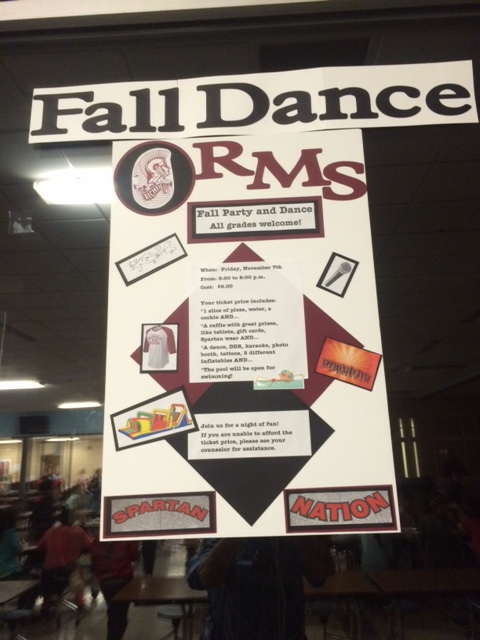 They are for adults, too.
It’s my reward for living with two squalling 10 month olds who I swore would always be 10 months old. I could not see the day that I would be standing with the two of them at their first middle school dance.
Middle school dances are also for the adults who volunteered in kindergarten and all through elementary. These same kids that we chaperoned on the apple orchard field trip and to Wood Lake Nature Center are now looking at each other with different eyes. And, if we are lucky enough, we’ll be able to discern who is looking at who.

Antonio showing his ID and getting his bracelet.
Middle school dances are also for adults who volunteered in the community as Cub Scout and Brownie leaders, supervised playdates to Edinborough Park, Children’s museum, and the Children’s theatre. All these places that our children are too old to go to now (almost).
It’s our due to see their faces clean, to watch them carefully choose their clothes even if it’s their favorite black hoodie.
Middle School dances are also for adults who never went to a dance in middle school or high school. You can pretend that you’re supervising the dance floor when really, all you are doing, is checking it out.
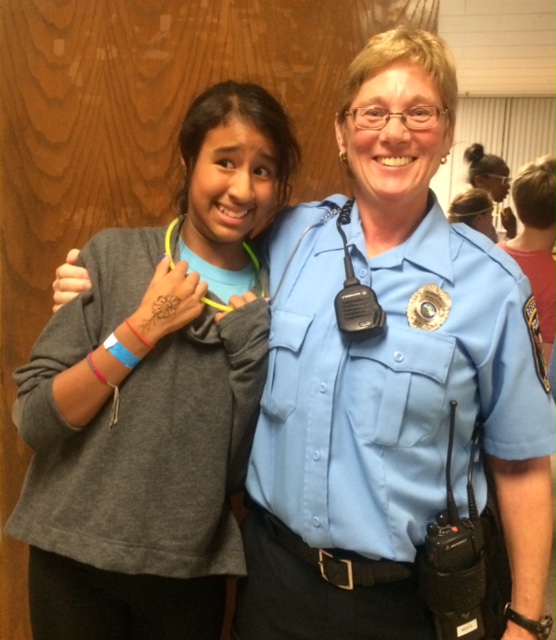
Yah, she’s kidding. Crystel loves me at her dance.
If you are a Police Reserve Officer you can roam the halls with the middle-schoolers, duck into the karaoke room, the Wii dance room, the gymnasium with the four different inflatables, or stop and watch the donut eating contest.
Then go back to the dance floor.
Middle school dances aren’t for standing in one place.
They’re for watching, observing, and hanging out.
And, if you’re fortunate like I was, those same Cub Scouts and those same kids you chaperoned will smile and say, “Hi.” And, though you are much older, you’ll remember their name. And, let them use your cell phone to call their grandma to pick them up.

Antonio with friends
And, you’ll be asking your own kids about the kids who didn’t come.
Cause it was so much fun.
On Sundays, they escort their mothers to church and take them out to lunch afterward.
They pick up bread, milk, and the exact brand and size of mayonnaise their Mom wants and let her give them a coupon and the exact change.
Although they could finish a repair project more quickly without their father’s help, they try hard to smile when Dad supervises the work.
They sift through piles of Medicare statements and become wise in the ways of copays and explanations of benefits.
At their Mom’s house, they change light bulbs, program her cell phone, and write up a cheat sheet since she won’t remember how to use it.
They bring tins of homemade cookies, flowering plants, and companionable conversation.
After agreeing to be power of attorney, they spend countless hours balancing statements and paying bills.
As they sit at her bedside and spoon applesauce in their mother’s waiting mouth, they try not to dwell on the role reversal, because it just makes them sad.
They don’t talk much about the losses—they just shrug their broad responsible shoulders and go back to the office or go home. They don’t think their efforts are anything special–it’s just what they’re supposed to do.
