Dead RV battery. Ticks on the dogs. Ticks on us. Toothache. Dead car battery. Awning broke. Our 10×10 pop-up gone in the wind.
“Best summer ever!” I told Jody.
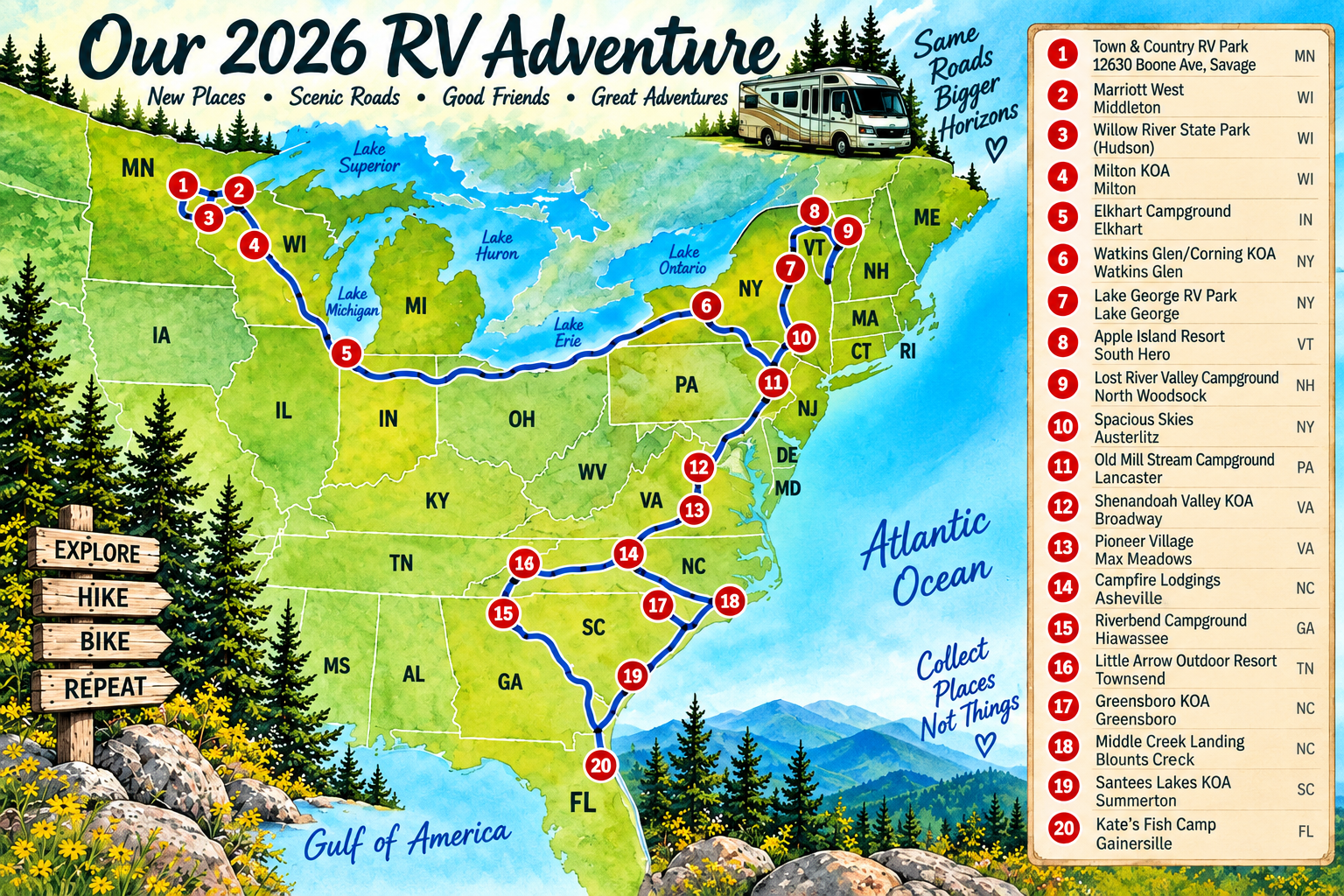
Lake George, New York, our seventh campground, was the first time Jody and I felt like we were really on vacation—living in our RV, traveling the Eastern Seaboard.
Maybe it was the unfamiliar Adirondack landscape. The steep hiking. Scrambling over roots and granite, climbing through the forest and then suddenly coming out to a view of Lake George, a ribbon of blue tucked between mountains.
Our travels continued with bike rides through the countryside, up and down valleys. I was a kid again, sailing over the pavement. Nature and being outside filled me. Farmers in the fields. The smell of hay being cut. Leaves beginning to fall.
There were more challenging hikes in the Appalachian Mountains. Swimming beneath waterfalls. Days turned into weeks, weeks into months. I stopped noticing—or caring—what day it was.
Time was marked by moving day and arrival at the next site.
The other stuff—the broken stuff—Jody and I figured out.
New RV battery. Ticks dropped into a jar of alcohol. Tooth pulled. Car battery replaced. Awning added to the RV repair-and-maintenance list. The 10×10 pop-up was simply gone.
115 days. 16 weeks and 3 days. Almost four months.
I watch seven merganser ducks diving underwater, chasing small fish. They play tag, frolicking, seeming to dance across the water.
On the day of our sale, when the buyer signed and I knew—really knew—that our home was sold, I felt the pressure of years gathering in my chest. Tears burst out.
I was standing in the kitchen of our RV when the weight of it hit me.
I was not four years old, or eight, or ten, or a teenager. My twenties were behind me.
My survival had become a life. A home. A marriage. Children raised in safety. Love sustained over decades.
How did this girl who came from dirt, chaos, filth, take care of a home for thirty years?
How did this girl, who knew nothing about how to keep a relationship together, stay married for twenty-eight years?
How did this girl, who was so abused, not abuse her children? Not allow them to be abused? Not raise a hand to them?
How did this girl, who was not raised by love, raise with love?
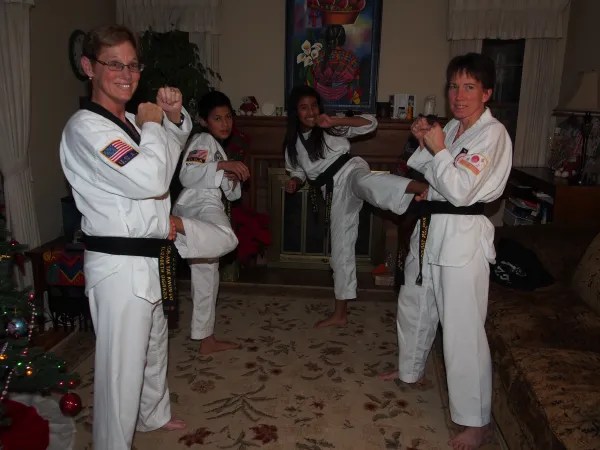
How did this girl insist that her children learn how to protect themselves? That they had a duty to protect themselves?
How did this girl, whose body belonged to everyone else, keep her soul her own?
She lived through their abuse, their dislike, their disdain, their ridicule, their name-calling. She lived through it.
Slowly, steadily, methodically, she took the next step. And then another.
She built a life the same way she healed—one small choice at a time.
Her saving grace was realizing she could finally say:
No more.
I don’t need you.
I don’t need to mother you.
I don’t need to be your keeper.
I don’t need to be needed by you.
I am enough by myself.
And then she began to see possibility. To see life.
Jody.
A relationship that mattered. One worth fighting for.
She learned to communicate. To apologize. To stay when staying was hard. To work things out.
Her healing continued because that responsibility belonged to her. No more giving up her thoughts. No more giving up her right to decide what was right for her.
She would decide.
She would become her own best friend. Her own witness. She would build a relationship with her spirit, with her soul.
Thirty years later, standing between what was and what will be, she understands something fully:
They did not get to decide who she would become.
She did.
The little girl who survived became the woman who lived.
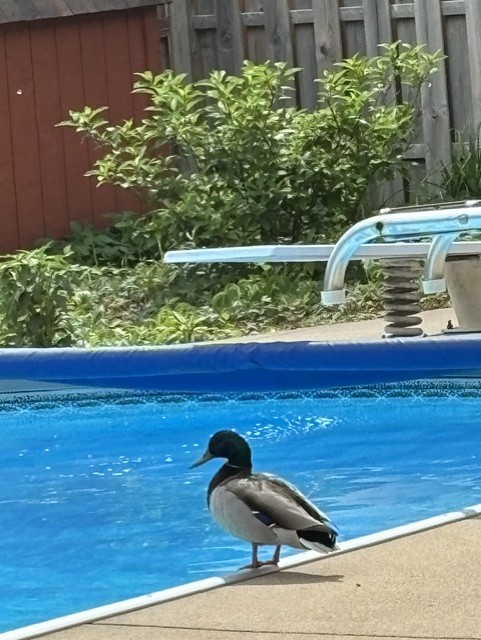
For thirty years, this has been a constant. Snowmelt pooled on the pool cover before spring fully arrived, and the mallards landing there every season, trusting this small temporary pond the way we trusted the house.
It could be startling, sitting quietly on the deck, reading or meditating. Then the silence would break: quacking, the whuff-whuff-whuff of cupped wings slowing descent, ducks materializing out of the sky in a downward swoop. Sharp orange feet skittering across the wet cover — slap, slap, slap, scrrrch. Splashing and rippling. Finally, the settling sounds: little shakes, bills dipping into water, softer quacks, even a low gurgle from the mother duck.
Most often it was a pair, though this year we’ve seen as many as four drakes in the pool with no hens in sight. Lately it’s been just one drake returning, again and again, during the day and evening.
I wonder if he, too, feels the pull of change.
This year, their return feels especially poignant because it is our last spring here. Our house has sold. All the rooms are empty except Crystel’s. Last in, last out, I tease her. She’ll dawdle with the ducks as long as she can until it’s time for both of them to move on.
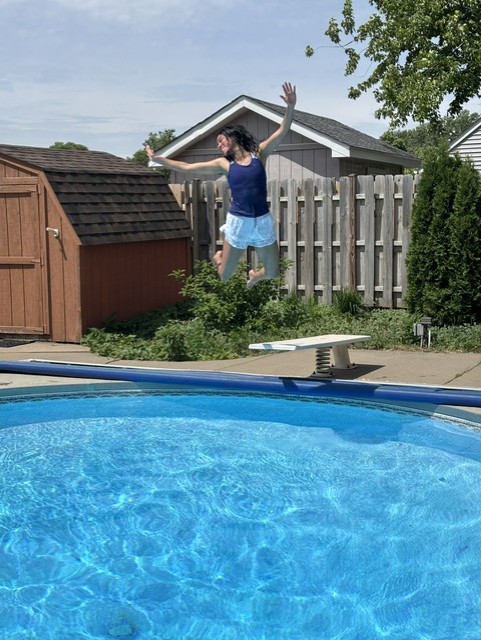
With the cover peeled back, open for swimming, the ducks still come. Gliding across the open water, bathing, napping, resting. There will be an ending or a moving forward for us. A final day. A final jump in the pool.
Our house has a heartbeat. It is not just wood, walls, windows, and yard. Its heartbeat has been the four of us. Jody and I brought Juan and Crystel here when they were babies. We built a nest. We raised them. They pulled themselves up. Took their first steps. For twenty-four years, this house held us through changes, noise, laughter, growing up, letting go.
The house has been saying goodbye to us, too. The lilacs bloomed their fragrant light purple. The flowering crabapple tree burst open in dark pink blooms. White blossoms on the back apple tree were in full regale during the open house. Peonies bloomed in time, as if giving us one last gift.
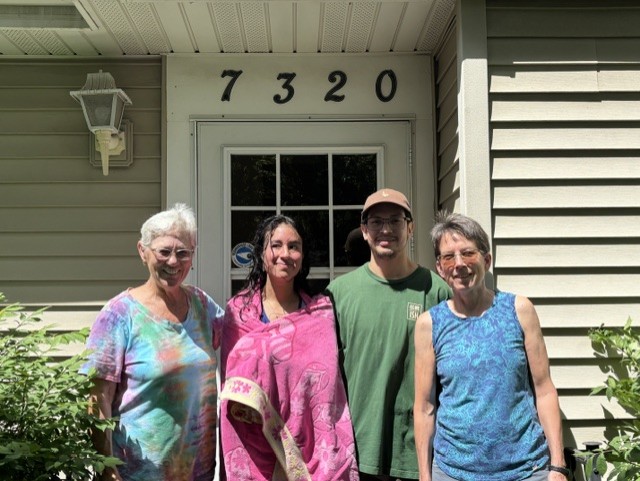
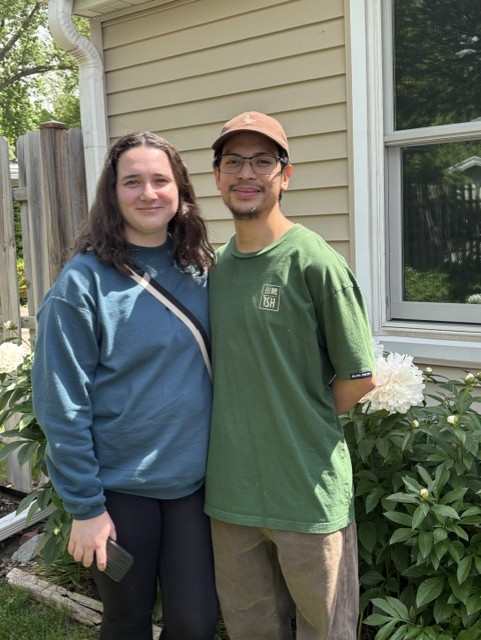
Juan and Aryanna
I am writing this under the shade of the apple tree in the backyard. I hear the schoolchildren next door, the birds singing, the quiet drift of clouds overhead. So much is the same, even as everything is changing.
In a few days, we will close the door on making more memories here. But this is not really goodbye. The house will go on. It was alive when we came, and we have been good stewards. We filled it with love, with children, dogs and cats, hamsters, fish, and an indoor playground. Many projects were completed. Many dreams realized.
What I will miss most is not the house, the landscaped yard, or even the pool. I will miss the four people we were here: Jody, Juan, Crystel, and me. We were the pulse. The collective heartbeat.
The house will look different in thirty years. New voices will fill it. A different timbre will shout, “The ducks are back!” But the ducks will keep returning. The lilacs will bloom. The trees will flower. The house will keep beating.
And so will we.
Like the ducks we will shift to the next stage the season asks of us. We will circle back to each other, returning again and again.