Gloria Steinem and Robin Morgan’s passing affected me—not as loss, but more like a gong whose vibrating waves of sound I feel in my bones, reminding me of the extraordinary time I’ve lived in. For 50 years, their influence shaped so much of how I’ve lived my life. They also had a far-reaching impact on the larger world that cannot be overstated.
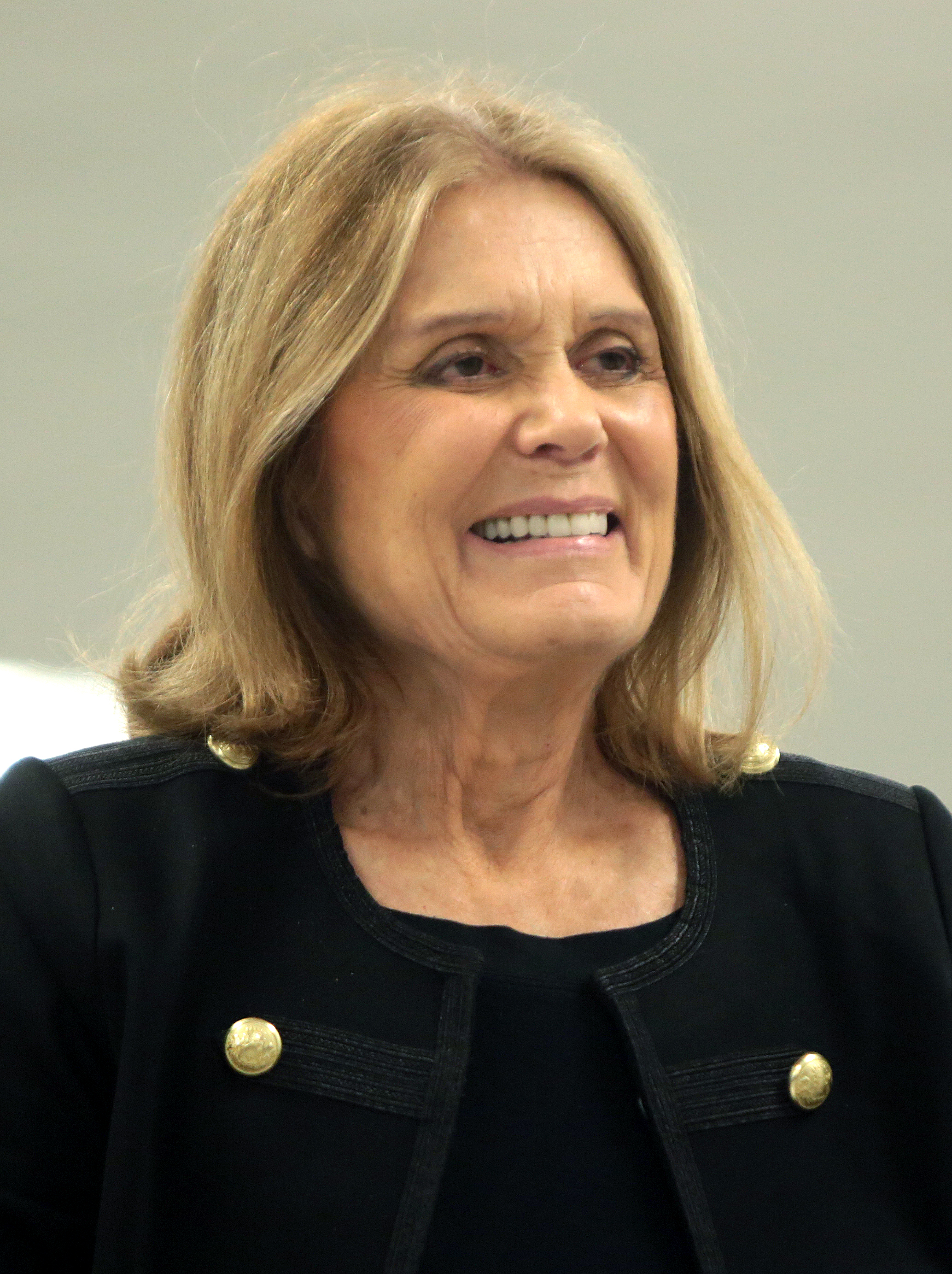
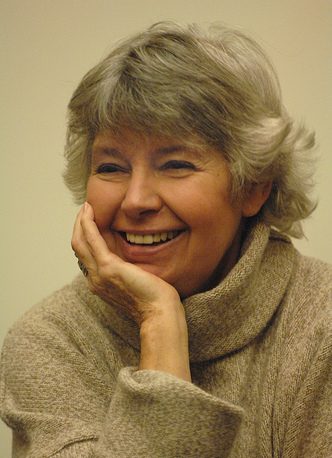
Steinem, Morgan, and the other leaders in the second wave feminist movement showed generations of women a range of possibilities for how a woman could live her life. Their vision and hopes turned into expectations, and became the scaffolding for my life choices and that of millions of other women and men. Who would I have been without their inspiration? How would the world look?
Today, a woman with a career is unremarkable and that for me is remarkable, because I can remember when it wasn’t true. In the late 1970s, when two female medical residents showed up in the ER where I clerked, some of us cheered while others gave them a hard time. For context, at the time, I knew of only two female physicians in the hospital, reflecting an era when 12-13% of physicians were women. Currently, approximately 38% of active physicians are women. A similar increase is true for many industries.
When I was a new college writing instructor, I was shocked when some of the male senior faculty tried to restrict me and other female instructors from professional opportunities. Fortunately for me, a gender discrimination lawsuit in a different part of the university upended the senior faculty’s plan to keep us in our place.
As editor of MS. Magazine, Robin Morgan and other writers inspired me to consider having a career as well as a family. Women have always worked—inside and outside the home—but the articles in MS. motivated me to get a graduate degree in English so I could teach. To marry a man who believed in sharing housework, cooking, and parenting, one who appreciated my wish to keep my maiden name. Later he encouraged me to launch my marketing communications business. Together we raised two feminist sons.
The feminist philosophy I advocate is all about choices. If mothering and homemaking are a woman’s heart, do that. If a career beckons, do that. If you want both, as I did, go for it! Each option has challenges and trade-offs, but the alternatives should be up to the individual, not society. Similarly, I can’t abide women bullying other women about their decisions. I believe true feminism should free men to follow their hearts to the roles they want, including stepping back from the rigid expectation of being the main breadwinners.
Gloria Steinem was the face of modern feminism in the Western world. Beyond her impact on me personally, is the legacy that has shaped contemporary life.
First woman this, first woman that. Today, our culture barely notes those accomplishments because Steinem and associated leaders have normalized the idea of women doing whatever they are interested in and capable of. They also made it more possible for men to have parental leave and career flexibility, including being a stay-at-home parent.
Plenty of inequities exist. None of this is perfect and the changes are uneven—many industries, cultures, and countries still restrict women’s opportunities. But now expanded roles for women and men are possible; before Steinem and other feminist foremothers, they were unthinkable.
Their ideas have become so widely accepted we think this is the way the world just is, and should be. Today, their influence is even felt in developing countries.
Two examples come to mind. Wells Bring Hope, an organization with whom I volunteer, enables girls and women in Niger and Mali (some of the poorest countries in the world) to get an education and start small businesses like selling the vegetables they grow. The women live in deeply conservative Islamic cultures where tradition had always dictated their pursuits, yet they are embracing the chance to do more.
Secondly, I briefly interacted with a young Afghan woman who had been resettled in Minneapolis after the U.S. pulled out of Afghanistan. She had worked for the State Department teaching English during a break in Taliban rule. From the 1920s through the 1970s, women’s access to education and professional work see-sawed in Afghanistan, depending on the monarch or ruling party. For much of the young Afghan woman’s life, the Taliban often viciously restricted women’s opportunities. Yet she and the people in her community encouraged her education and profession. Worldwide feminism advanced that.
I am grateful to Gloria Steinem, Robin Morgan, and other leaders. Because of them I’ve been lucky to be part of a generation of women who had choices. The younger generation in my family has also had more options.
I hope the past five decades are not a special Camelot time that will disappear. Fifty years from now will people say, “Remember when women used to think they had equal rights. Wasn’t that crazy?”
Our gains are fragile. Reversal is possible and already underway in some American political movements. Recent lawsuits have shifted to protect white males’ civil rights at the expense of women and people of color. Reproductive rights are no longer protected federally. Both initiatives undermine a woman’s ability to live the life she chooses.
I hope Gloria Steinem and Robin Morgan’s vision is too widespread and too powerful to ever be truly eradicated. We can’t go back