• Thanksgiving Almost Gets Lost in Translation

    Tutoring adult immigrants in English invariably leads to explaining American culture. Since it’s November, we have been discussing Thanksgiving. We talk about the pilgrims being hungry because there was a bad harvest. Our textbook includes illustrations of Native Americans introducing the pilgrims to local foods. I describe a traditional Thanksgiving meal. When I ask if they and their families will celebrate Thanksgiving, most of them shrug. They find it hard to relate to pilgrims or our Thanksgiving rituals.

    It isn’t because the immigrants aren’t grateful. They are. Grateful to be in the U.S. Grateful for opportunities and the ability to live in relative peace.

    Traditional Thanksgiving foods don’t make sense to my students.

    It’s hard for my students to understand why roast turkey is the centerpiece of a celebratory meal. They are familiar with chicken seasoned with cinnamon, coriander, and tumeric in a tagine. Or chicken and vegetables made with garam masala. Chicken spiced with hot chilies and added to posole soup. Chicken stir-fried with ginger, pea pods, and bok choi. But slabs of dry, tasteless turkey?

    Many native-born Americans aren’t excited about turkey either, as evidenced by endless recipes centered on making it palatable. A whole industry (how-to articles, turkey hotlines, menu planning and recipe articles) has sprung up to help cooks successfully prepare this old-fashioned meal.

    It’s hard to connect with a tradition that began almost 400 years ago.

    Our lives are very different from those of the pilgrims. For native-born Americans and immigrants alike, the first Thanksgiving in 1621 is just a picture in a book. The pilgrims’ reality that a poor harvest could lead to starvation is only theoretical to most Americans. We associate hunger with running out of money before month-end.

    Except for farmers and ranchers, most of us don’t harvest anything. We don’t kill the animals or fish we eat unless we’ve chosen to hunt and fish for sport. Those of us who grow vegetables do so because we enjoy the work. When we do raise the food we eat, it’s a choice, not a necessity.

    Going into a bog to gather sour red berries for a side dish is also hard to imagine. The pilgrims must have been pretty hungry to go to the trouble, especially since cranberries require a lot of sugar to be edible, and oranges weren’t readily available.

    Squash may be the only part of the meal that my students can relate to. Africans, Indians, Pakistanis and some Central Americans eat squash. They don’t usually cook it until it’s mushy, flavor it with sugar, nutmeg, and cloves and bake it into a pie, though. Aside from foodies, most native-born Americans wouldn’t bother harvesting and processing pumpkin for pie either. Pumpkin is something that comes in a can and costs less than $2.00. Why work that hard?

    Although the connection to pilgrims and the foods they ate is tenuous, native-born Americans are willing to eat roast turkey, cranberries and pumpkin pie, because we grew up with them and they’re traditional. However, that menu is unfamiliar and unappealing to my students.

    I reduce Thanksgiving to the basics to help my students identify with it.

    I tell them that the pilgrims were immigrants, too. Life in America was harder than they expected. They were hungry. The people who lived here—Native Americans—helped the pilgrims. The pilgrims learned to eat odd foods so they wouldn’t starve. It’s good to gather with family and friends, eat good food (whatever that may be), and give thanks for what you have.

    We all agree that we have many things in our lives to be grateful for.

    The WordSisters are grateful for you.

    , , ,

    3 responses to “Thanksgiving Almost Gets Lost in Translation”

    1. Bev Bachel Avatar

      And I am grateful for you and all the ways you Word Sisters give me reason to pause and ponder, and more importantly, appreciate my life.

    2. Johanna Avatar
      Johanna

      I have always found it fascinating that one day a year all Americans (or most Americans) eat the same ceremonial meal, even if individual families put their own spin on it. We need traditions like this to bind us together as a culture. Have a happy Thanksgiving and enjoy that slab of turkey (which tastes better with homemade grave) and pumpkin pie. And of course, a football game should be playing somewhere in the house!

    3. Eliza Waters Avatar

      It would be hard to imagine bucking tradition and serving roast lamb or beef or some vegetarian entree. I suppose the same strangeness applies to new immigrants. Like many holidays, we put our own spin on it, but most are anchored in tradition. I tried to instill the ‘gratitude’ aspect in my kids when they were growing up, but perhaps because they are young men, they seem indifferent to the holiday. Still, they seemed to have picked up the daily gratitude habit, which I think is more important! Have a great holiday, Ellen!

  • “Is there anything about me in here?”

    Crystel
    Crystel

    “Is there anything about me in here?” Crystel said with a hint of despair in her voice.

    “Yes,” I answered. “There’s a sentence. Keep reading.”

    She was skimming my recent blog about our 3-legged cat.

    “This story is mostly about Antonio,” I added.

    “Grrrrrr,” she responded.

    I laughed. “Do you want the next blog to be all about you?”

    “Yes,” she said emphatically.

    Writers often worry about writing about their kids online. Using them for fodder when crafting a story. Much is written about the ethical implications of mothers writing about their kids and the online privacy of children. Mothers don’t want to betray their children.

    I’ve had a different experience with Antonio and Crystel, both now thirteen years old. My children want to be seen, noticed, and heard. They want to be important enough to be blog material. They would feel betrayed if I didn’t include them in my writing life.

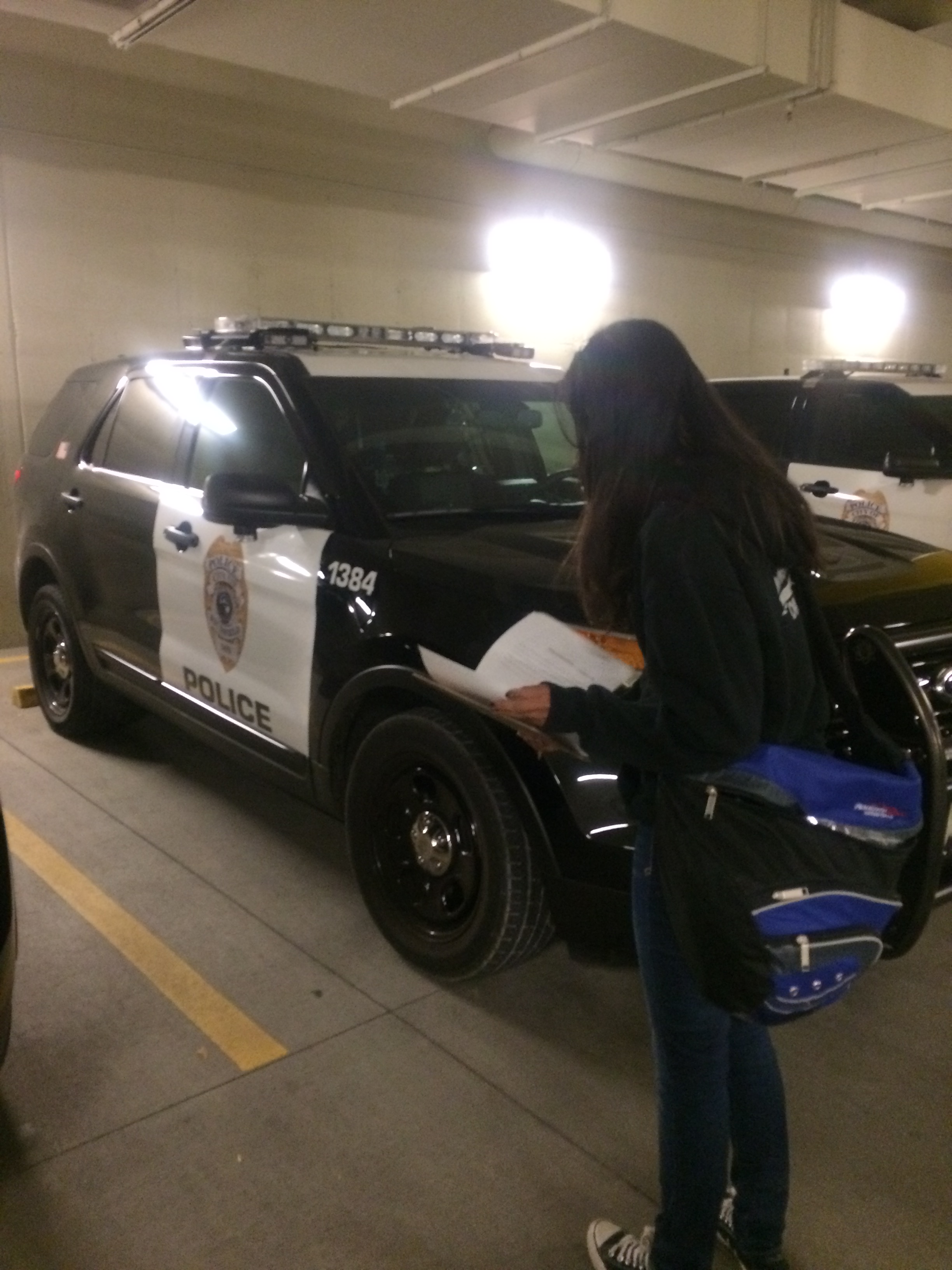
    Crystel helping me with squad maintenance checks.
    Crystel helping me with squad maintenance checks.

    From time to time, I get squeamish blogging about my children. Not because of what my kids might think but what other writers might. Mothers should protect their children, not exploit them for media attention. Sometimes, I feel tempted to add an aside to blogs and tell the reader that my children have read and approved of the story and photos. I don’t do that. Another voice emerges in my head, a much louder voice. That it’s my business what I write and readers have a choice whether or not to read my material. I won’t be silenced as I was when I was a child.

    If the blog is about them, Antonio and Crystel know the contents before I even start drafting the blog.  Before it’s published they’ve read the article and seen the photos. They might ask me to change a line or to take a sentence out or to use a different photo. Most often the blog is published as is with their approval.

    There are benefits to having a mother who will blog about you. Last week, Crystel was finishing a class project for her Language Arts class – a 3 panel brochure – that needed to include pictures of herself when she asked, “Do you have any photos of me?”

    In the trunk of squad cars there are stuffed animals for children. Crystel is picking one of her monster dolls to add for a give-away.
    In the trunk of squad cars there are stuffed animals for children. Crystel is picking one of her monster dolls to add for a give-away.

    Antonio answered her, “Just Google yourself. I put a picture of me and my birth mom Rosa on mine.” He looked at me and explained. “That was the most recent picture I could find online.”

    Crystel was positively gleeful. “You’re right.”

    Crystel’s desire to be a part of my writing life isn’t limited to the WordSisters blog.

    She visualizes herself sitting next to me signing copies of House of Fire, my yet to be published manuscript.

    House of Fire shows that thirty years of breaking free from a cycle of silence and betrayal was not enough to prepare me for the trials of starting my own healthy family.

    Jody and I have worked hard to create a home of love, safety, and joy where no one gets silenced.

    Crystel’s been practicing her autograph. I’ll be so proud to have her next to me. Both of us will be seen, noticed, and heard.

    Her only complaint about this blog – “It doesn’t have enough pizaaz.”

    Well, next time kid.

    , ,

    2 responses to ““Is there anything about me in here?””

    1. Carol Avatar
      Carol

      Charming story. Thanks for sharing. Hugs to you all, my friend! 🙂

    2. Eliza Waters Avatar

      Pretty soon they’ll be asking to start their own blog! Then watch out! ;-D

  • The Nature of Being an Aunt

    As a child, I didn’t think deeply about my aunts and uncles. They were a kindly presence at family gatherings, people who smiled at me, asked me about school, sent birthday cards, and gave me first communion and graduation gifts.

    I recently saw my 10-year-old grand nephew. If pressed, he might recall that we had fun exploring a nearby creek and that I gave him Halloween candy, but I wouldn’t expect him to know more about me than that. I didn’t know much about my aunts and uncles when I was 10 years old either.

    When I was a child, all I knew about Aunt Corinne was that she didn’t have children of her own, but she was fond of her nieces and nephews. She and Uncle Bob always gave us treats when we visited—cookies or candy from the stock Uncle Bob used in his vending machine business.

    When I became a mother, I suddenly got it—I saw how much my brothers and sister cared about my children and in turn how much I cared about theirs. The connections between us are strong.

    Aunts and uncles are part of a whole circle of people standing behind a child. We’re interested our nieces and nephews’ activities. We know this one is a sprinter, that one is good at hockey, another one loves theater. We’re concerned about their problems—this one got laid off or that one is going through a breakup. We’re pleased about their accomplishments—this one won a prize at school and that one is getting promoted at work.

    When things are going well, we’re more in the background, but if something happened to one of our siblings, we’d come forward to help out.

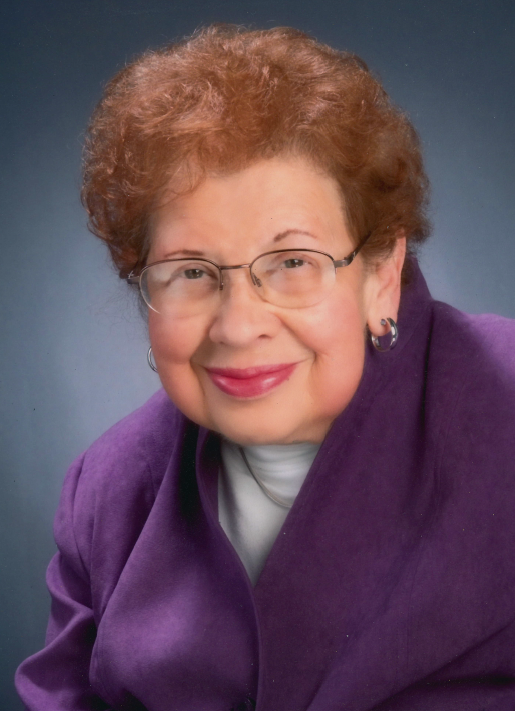
    Aunt CorinneI gained new appreciation for my aunts and uncles, especially Aunt Corinne, who would have been 90 on her birthday a few weeks ago. As an adult, I understood more about her life. She had systems for running her household and was meticulous about details. For example, her address book was always up to date and she kept her coupons in an organizer. She worked full-time as an office manager. I can imagine her as an organized and competent worker. She was also a sympathetic listener and seems like the sort of person who would have brought baked treats for her coworkers.

    I’m glad I got to know her well enough to discover what we had in common—she liked NPR and cared about politics. She was funloving and always willing to go out to lunch, to a show, or to travel. She was as particular about coffee as I am. If it’s warmed over, we would rather skip it. Only when I was middle-aged, was I able to talk to her woman to woman. Then I could ask about her health or we could share insights and concerns about family members.

    Because I live hours away from my nieces and nephews and don’t see them often, they don’t know me very well. They would probably be surprised at how much I know about them. But I’m observant. And your parents talk about you! My nieces and nephews may never know how much love and support their aunts and uncles have invested in them, but being a secret supporter is a pleasure. If our relationships deepen as we get older, that will be a gift, too.

    Who knows? Maybe twenty years from now at some family gathering, my grand nephew and I will discuss politics or the books we’re reading!

    , , ,

    3 responses to “The Nature of Being an Aunt”

    1. margo Avatar
      margo

      Oh Ellen! what a delight to see our beautiful Aunt Corrine’s portrait. I loved the essay too

    2. Ellen Shriner Avatar

      Thanks for reading–you’re such a loyal fan! Glad the topic struck a chord with you.

    3. Eliza Waters Avatar

      Loved this post, Ellen. Your aunt looks like such a sweetie in her photo.
      It is so true about the interest going towards the children, and not so much in the other direction. They have more compelling interests than the old auntie in the corner. It is interesting to me that now that I have great nieces and nephews, my interest in them is even more keen. I don’t see them often, so I am virtually a stranger to them, but I fall in love all over again every time I see them. Talk about unrequited love!


Recent Posts

  • Borrowed Time

    Rain hammered the passenger van, rattling the metal like gravel tossed against a tin roof. Each burst sounded closer, louder, as if the storm were trying to break its way in. Why today, of all days, when Juan was visiting his birth family? We had planned it so carefully. We’d even had a kind of…

  • From Minneapolis

    …they have cost children the life of their mother….

  • A Few of My Favorite Things

    When I feel world-weary, I actively try to turn away from the world’s troubles and focus on the many good things in my life. In addition to my family and friends, here are some things I enjoyed this past year—art, books, nature. Sorry, no raindrops on roses! When I saw this painting I wanted to…