Category: Relationships

  • Sharing the Load

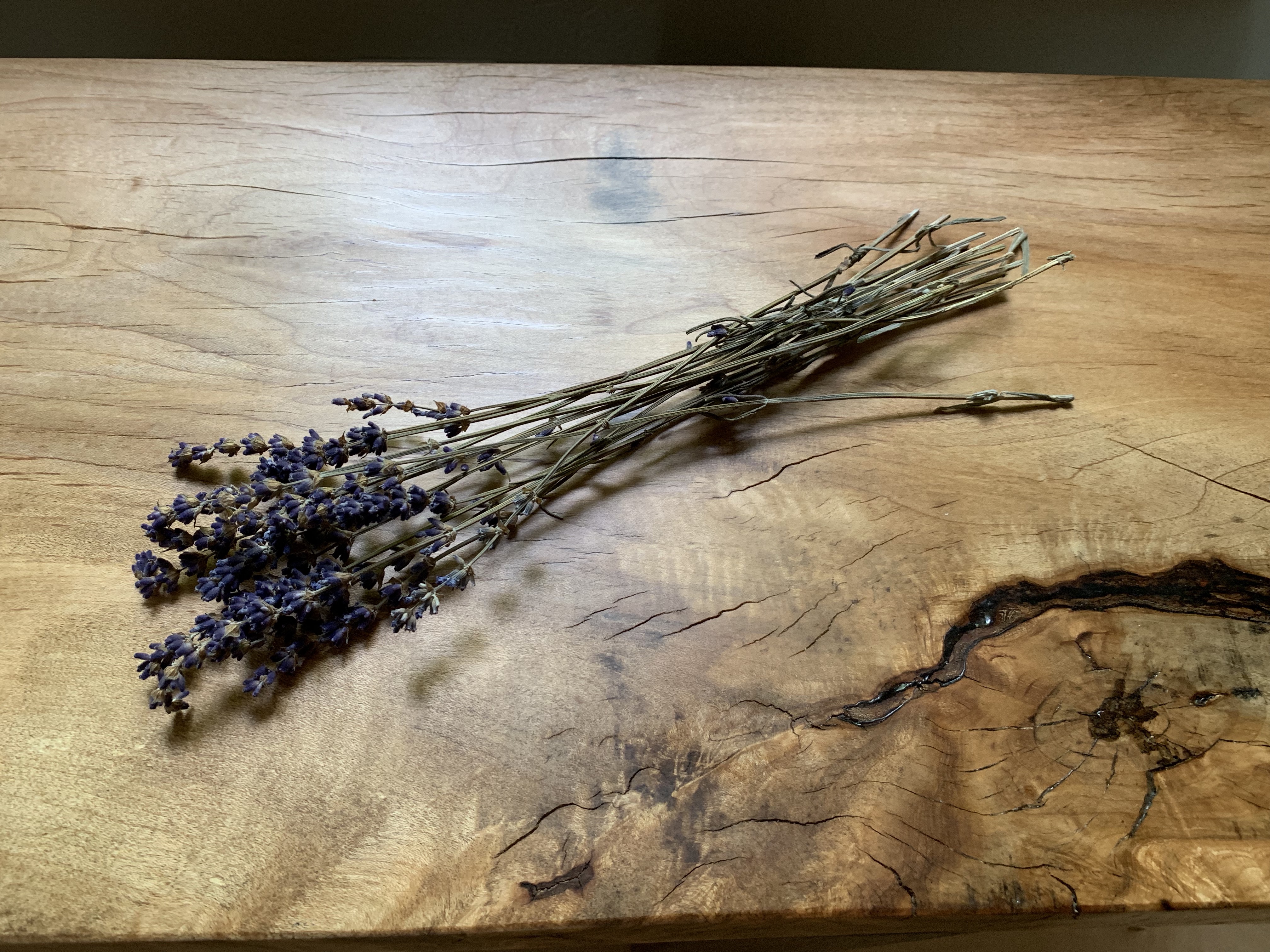
    Canadian wildfires more than a thousand miles away filled Wisconsin’s northern skies with haze. Following another warm summer day slightly diminished by the loss of blue heavens and the company of pesky mosquitos, helping a neighbor harvest their lavender field made a small part of the world all okay. At eight in the evening, thanks to Canadian smoke particulates, the July sun appeared a gentle gold surrounded by a flaming ring. With humidity and heat lifting, the air felt just right to stay outside

    She knelt next to the plants, cutting the flowered sprigs with a curved knife. I gathered handfuls, wound the end with a rubber band, then handed each to her husband to trim and load for moving. Their collies laid between the rows, noses resting on paws. A hawk screeched above as it circled the field. We talked about nothing much scattered with deeply important stuff.

    We have other jobs that claimed the day, but like all plants lavender has a time to be harvested. They had already completed hours in the field and hung hundreds of bouquets in the barn to partially dry. In a few days the lavender would fill a roadside cart for customers. Sharing the work, an hour went by quickly. Mosquitos called an end to our time.

    Some kind of magic happens when friends share the work of their days. Weeding each other’s gardens, making a meal, washing dishes together, sanding another’s wood project, painting a room, harvesting lavender. Formality slips away. The need to create conversation slips into comfortable talk. We move in each other’s space naturally, slipping into the dance steps of our real lives without practice. That’s where memories are made.

    po5suB6RT2ueQjZaTMEn4Q

  • The Joy of Tears

    The Joy of Tears

    OLYMPUS DIGITAL CAMERA

    Before I even start the sentence, because I can’t start the sentence, because I can’t find a way through what feels to me a rushing creek frothing at the banks, forcing its way through a thin singular tube to my voice, I squeak, “This will make me cry.” Tears leak out of my eyes and roll down my cheeks. Now, I can speak.

    Sometimes, Juan and Crystel pre-empt their conversation with, “This will make you cry.” And, it does.

    I’m so lucky.

    DSCN0210I quit crying when I was 9. I know the exact day. I stood next to my mother. She was sitting at our dining table holding her book open. A cold cup of coffee in front her. A Pall Mall between her fingers. I was there to tell her that a brother had hurt me. She didn’t lift her eyes from the page. She inhaled deeply on her cigarette, placed it in the ash tray, then picked up her coffee cup. Red lipstick lined the edge.

    I turned and walked away.

    When I was 19 years old I swore something was broken in me. I had reported the sexual abuse in my family. My parent’s response was to tell me that I was disowned. That I could never come home.

    I knew a normal person would shed tears. Though I tried, I couldn’t do it.

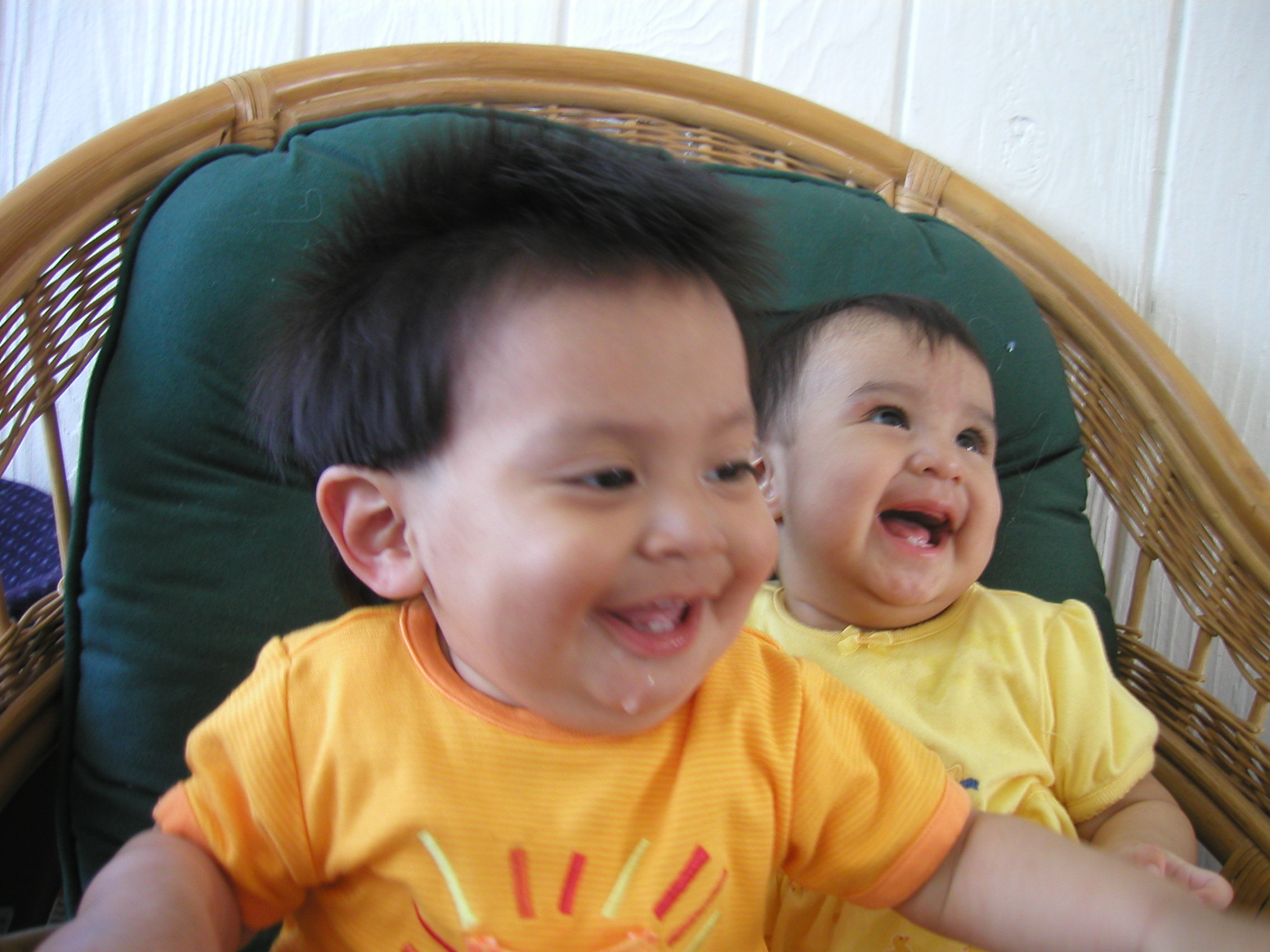
    OLYMPUS DIGITAL CAMERA Juan Jose’ and Crystel gave me the gift of tears when I was 44 years old. They were seven and eight months old when Jody and I brought them home. I felt safe with these babies. When Juan cried because he was left at daycare all day, I cried with him, knowing the sorrow of abandonment. When they were ten months old, all three of us, the babies and me were crying. Me, because I didn’t think they would ever grow up. Those two because they looked at each other and Juan could see that Crystel was sad and he just couldn’t stand that.

    I felt safe because the babies couldn’t talk. They couldn’t tell anyone that Mama Beth was crying. My tears became normal.

    When they were little, I’d read to them, “Love You Forever” by Robert Munsch. We’d sit on the couch, Juan on one side, Crystel on the other. Their heads resting against my body.

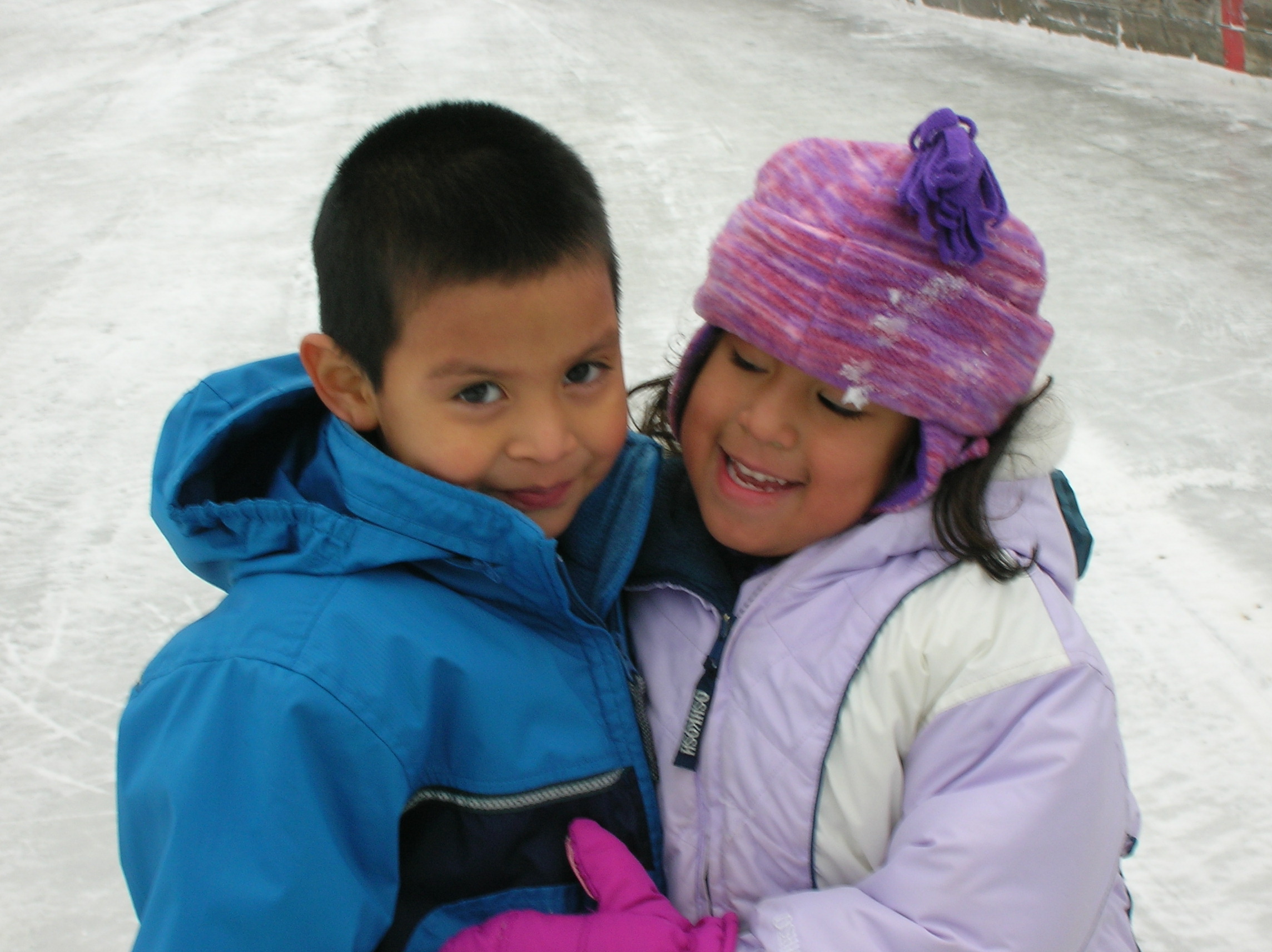
    Crystel and Antonio June 2008

    I’d read, “A mother held her new baby and very slowly rocked him back and forth, back and forth, back and forth. And while she held him, she sang I’ll love you forever, I’ll like you for always, As long as I’m living, my baby you’ll be.”

    They’d snuggle a little closer when I reached that same spot we always did where my chest filled up and the tears started. “The son went to his mother. He picked her up and rocked her back and forth, back and forth, and he sang her this song: I’ll love you forever, I’ll like you for always, as long as I’m living my Mommy you’ll be.”

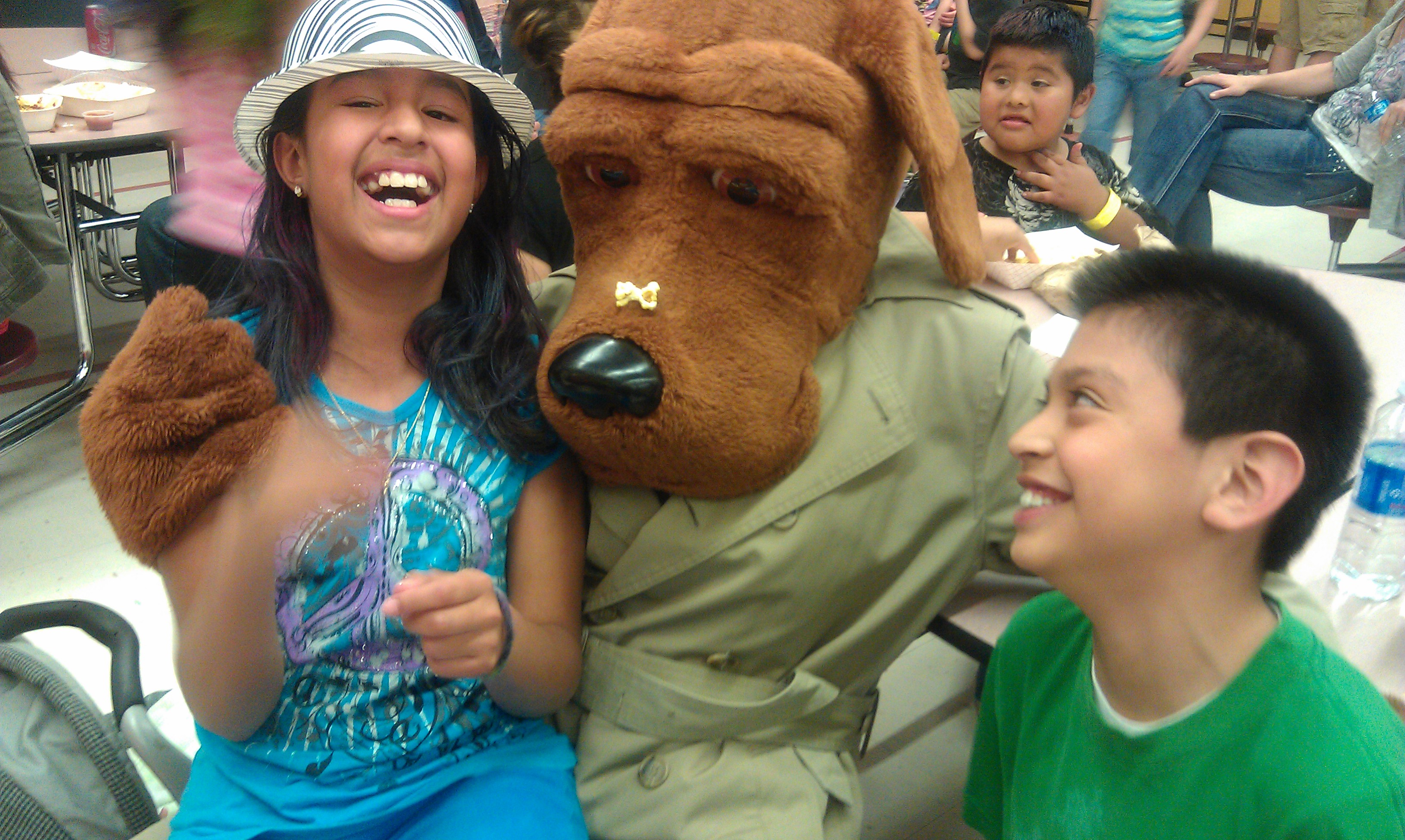
    Playing games on McGruff (me).
    Playing games on McGruff (me).

    “Let me see,” Crystel would say. “Let me see.” She’d lift up my glasses and touch my tears. “Read it again, Mommy, read it again.”

    I continue to have the joy of tears.

    I cry when Juan is playing soccer and the players take  a knee when a teammate or opponent is hurt.

     I cry when Juan and Crystel are warming up before running a cross country race.

    I cry every time someone says something good about them, which is often.

    IMAG0013The kids know me so well. I had just picked Juan up from his work shift at Davanni’s. He said, “I thought you were going to cry when you watched me walk into work.”

    I thought about it. Felt the creek starting to froth at the bank. Then said, “Well, I still might.”

    I love my tears.

    They make me alive.


  • Naming Rights

    Naming Rights

    The ring I wear on my left hand honors my marriage. My maiden name—the name I’ve had all of my life—honors who I am as an individual.

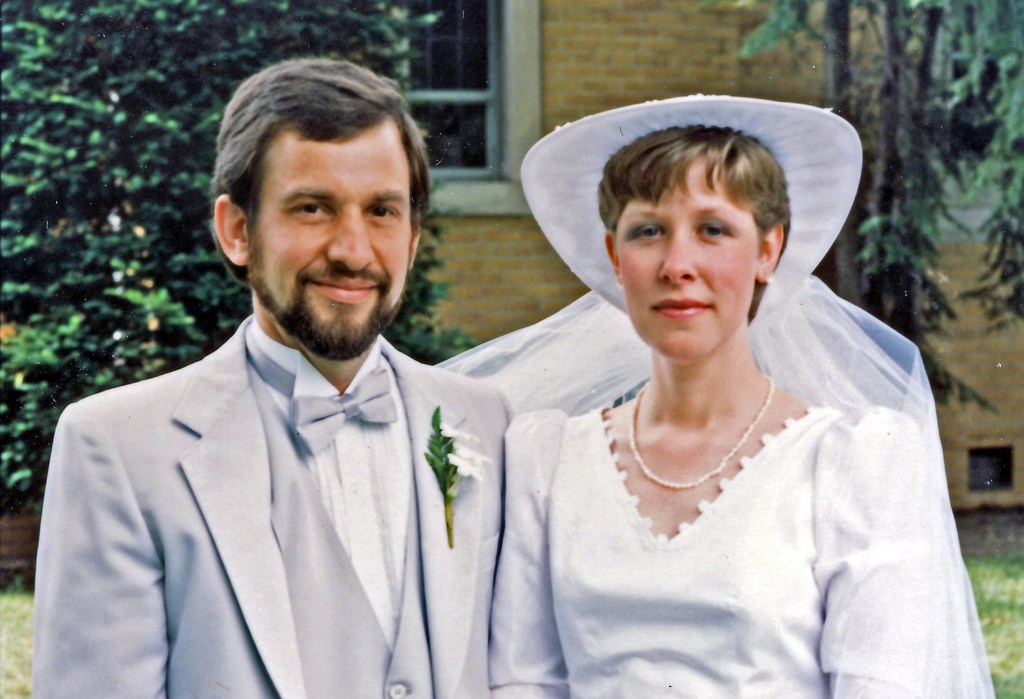
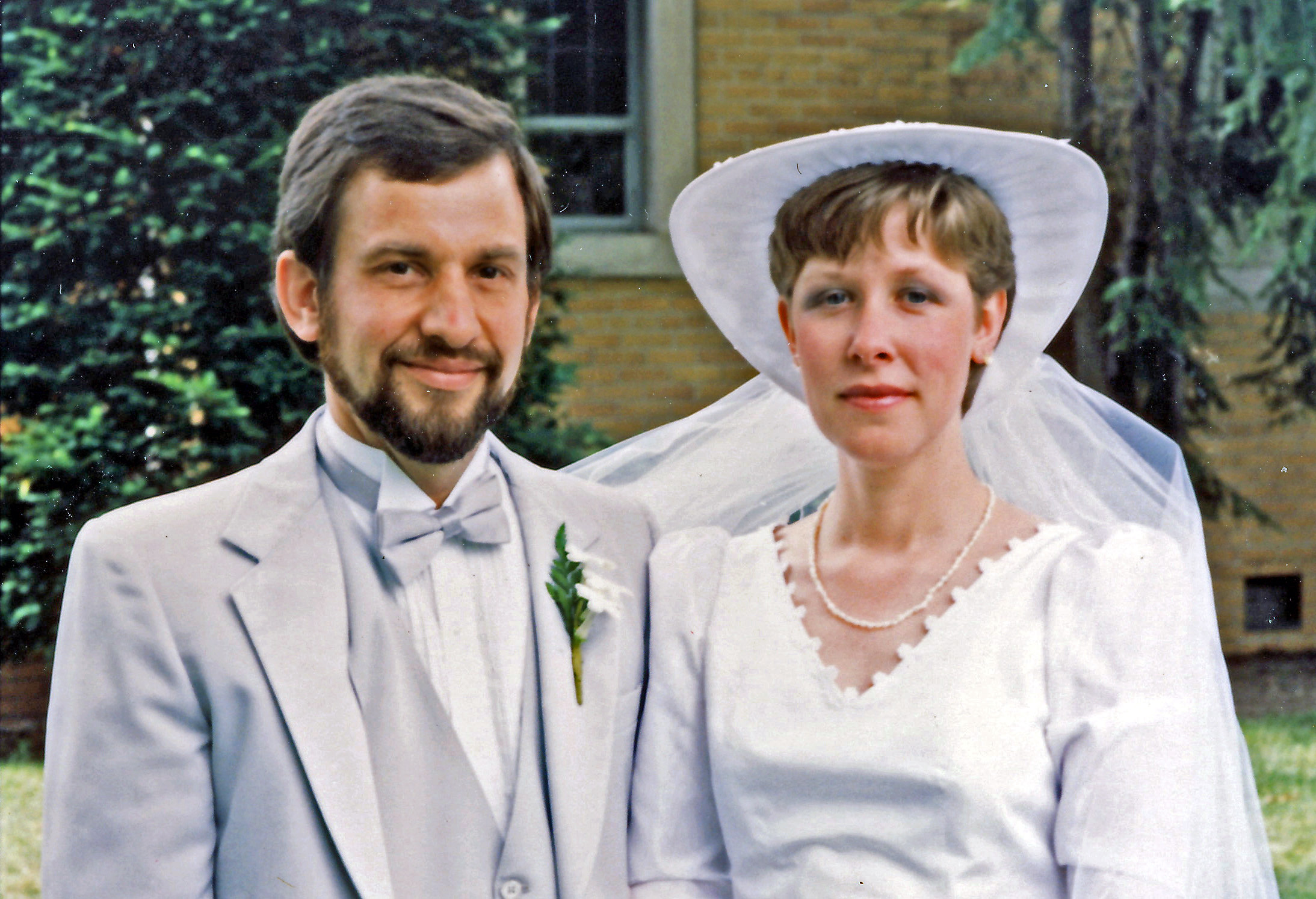
    J&E1985bWhen I married 30 years ago, this was an important and controversial distinction. Like many people, my parents worried that I would offend my in-laws and that our future children would encounter problems because my husband and I have two different last names.

    Nonetheless, we felt strongly about this decision. He’d keep his name and I’d keep mine. For practical reasons, we didn’t choose to hyphenate. Shriner-Sakowski is just too much name!

    Without meaning to, I did offend my in-laws, but they came to accept our decision. Our sons tell me that my different last name hasn’t been an issue for them. Perhaps some of their teachers or coaches assumed that my husband and I were divorced, but divorce is so commonplace that no one commented. I chose not to be offended when people called me Mrs. Sakowski. I knew who they meant and that they were trying to be polite. Often I pre-empted the discussion about names by introducing myself as “Greg’s Mom” or “Mike’s Mom.” That was all the teacher or coach wanted to know—my relationship to the kid in question. These days, I rarely have to explain the name difference.

    So it came as a surprise that using a maiden name has been resurrected as an issue. Recently, a friend recounted a conversation she overheard at a coffee shop. A young couple was talking with their minister about their wedding ceremony and the minister said, “Some ultra feminists don’t even take their husband’s last names.” Huh? I can easily list half a dozen women I know who kept their maiden names. It’s not that radical.

    Equally surprising was my recent experience with two different lawyers (one was settling my aunt’s estate and the other was handling my mother’s estate). Each assumed that I was Ellen Sakowski or Ellen Shriner-Sakowski. With my aunt’s lawyer, I explained several times that my real legal name is Ellen Shriner. Finally, I had to state unequivocally that I had never changed my name, and I wouldn’t be able to cash an inheritance check made out to either of those imaginary women.

    But then I recalled that four young professional women I know who’ve recently married all took their husband’s names. I was surprised and remain curious. Is the gesture that was so important to me when I married irrelevant now? Does it no longer feel necessary to make that distinction? Are women’s independence and equality a given for those young women? I hope so, but I’m skeptical.

    Despite my skepticism, I’m not trying to take anything away from women who choose their husband’s name. As a feminist, I believe women have the right to handle their names however they like: keeping their maiden names, using their maiden name as a middle name, or taking their husband’s name. I would never prescribe what a woman should call herself. Naming is a very personal decision.

    I think of one friend who was glad to shed her father’s name when she married. They had a difficult relationship and taking her husband’s name was a way of distancing herself from her father and asserting her new grown-up identity. Changing her name was a mark of independence.

    Another friend, who survived a childhood fraught with sexual abuse, invented a whole new name to mark the break from her family and her hard-won emotional health.

    What really matters is whether the choice of name is based purely on personal preference rather than perceived societal expectations. As a feminist, I just hope that women today feel much more free to choose the name that pleases them than I felt 30 years ago.