Category: Relationships

  • Naming Rights

    Naming Rights

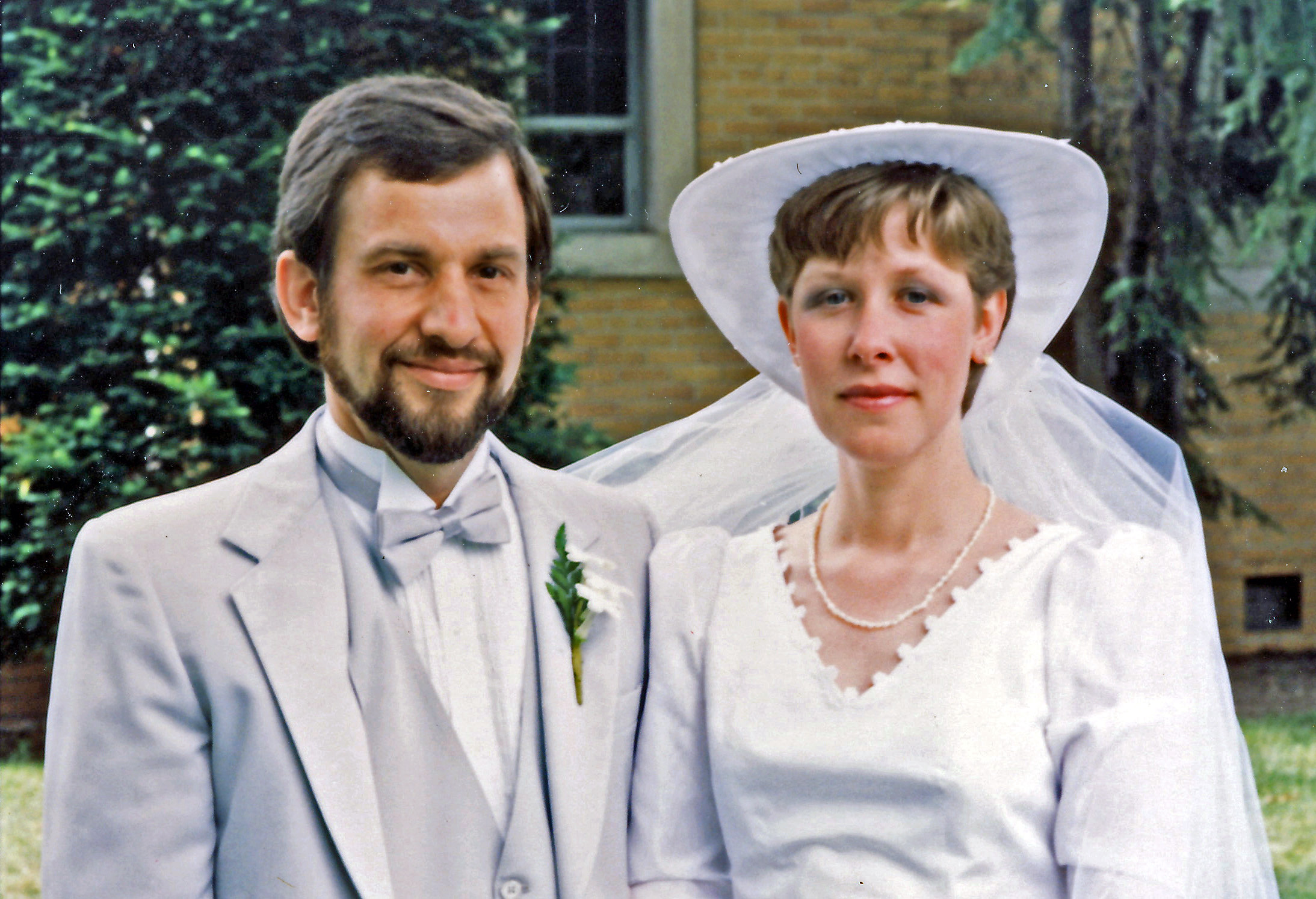
    The ring I wear on my left hand honors my marriage. My maiden name—the name I’ve had all of my life—honors who I am as an individual.

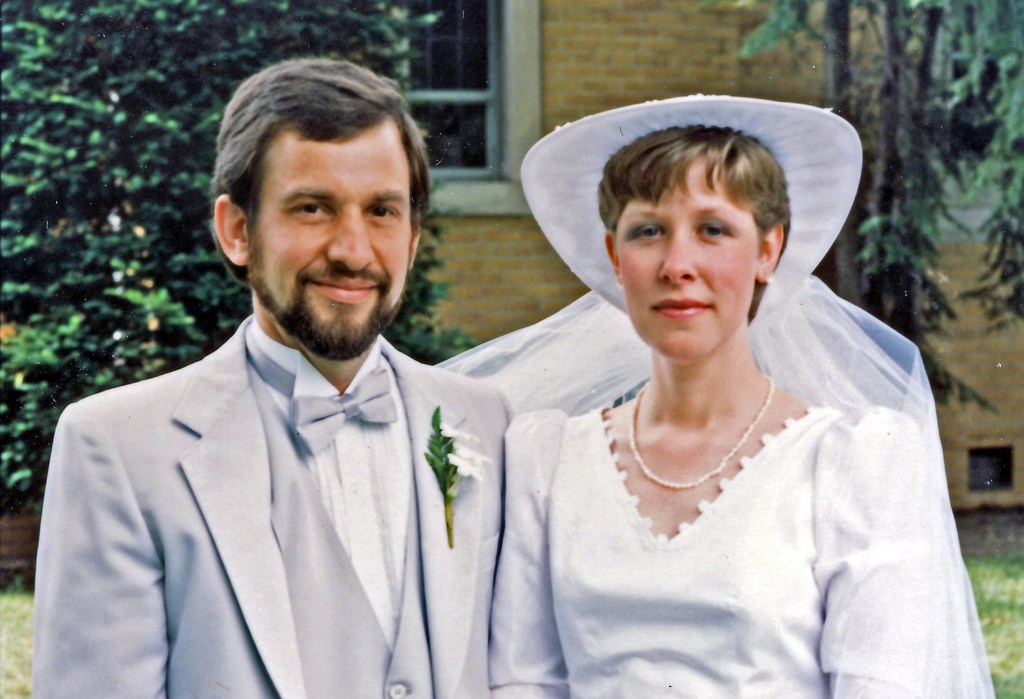
    J&E1985bWhen I married 30 years ago, this was an important and controversial distinction. Like many people, my parents worried that I would offend my in-laws and that our future children would encounter problems because my husband and I have two different last names.

    Nonetheless, we felt strongly about this decision. He’d keep his name and I’d keep mine. For practical reasons, we didn’t choose to hyphenate. Shriner-Sakowski is just too much name!

    Without meaning to, I did offend my in-laws, but they came to accept our decision. Our sons tell me that my different last name hasn’t been an issue for them. Perhaps some of their teachers or coaches assumed that my husband and I were divorced, but divorce is so commonplace that no one commented. I chose not to be offended when people called me Mrs. Sakowski. I knew who they meant and that they were trying to be polite. Often I pre-empted the discussion about names by introducing myself as “Greg’s Mom” or “Mike’s Mom.” That was all the teacher or coach wanted to know—my relationship to the kid in question. These days, I rarely have to explain the name difference.

    So it came as a surprise that using a maiden name has been resurrected as an issue. Recently, a friend recounted a conversation she overheard at a coffee shop. A young couple was talking with their minister about their wedding ceremony and the minister said, “Some ultra feminists don’t even take their husband’s last names.” Huh? I can easily list half a dozen women I know who kept their maiden names. It’s not that radical.

    Equally surprising was my recent experience with two different lawyers (one was settling my aunt’s estate and the other was handling my mother’s estate). Each assumed that I was Ellen Sakowski or Ellen Shriner-Sakowski. With my aunt’s lawyer, I explained several times that my real legal name is Ellen Shriner. Finally, I had to state unequivocally that I had never changed my name, and I wouldn’t be able to cash an inheritance check made out to either of those imaginary women.

    But then I recalled that four young professional women I know who’ve recently married all took their husband’s names. I was surprised and remain curious. Is the gesture that was so important to me when I married irrelevant now? Does it no longer feel necessary to make that distinction? Are women’s independence and equality a given for those young women? I hope so, but I’m skeptical.

    Despite my skepticism, I’m not trying to take anything away from women who choose their husband’s name. As a feminist, I believe women have the right to handle their names however they like: keeping their maiden names, using their maiden name as a middle name, or taking their husband’s name. I would never prescribe what a woman should call herself. Naming is a very personal decision.

    I think of one friend who was glad to shed her father’s name when she married. They had a difficult relationship and taking her husband’s name was a way of distancing herself from her father and asserting her new grown-up identity. Changing her name was a mark of independence.

    Another friend, who survived a childhood fraught with sexual abuse, invented a whole new name to mark the break from her family and her hard-won emotional health.

    What really matters is whether the choice of name is based purely on personal preference rather than perceived societal expectations. As a feminist, I just hope that women today feel much more free to choose the name that pleases them than I felt 30 years ago.

  • A Cautionary Tale: How does a beloved friend and aunt fall off the face of the earth?

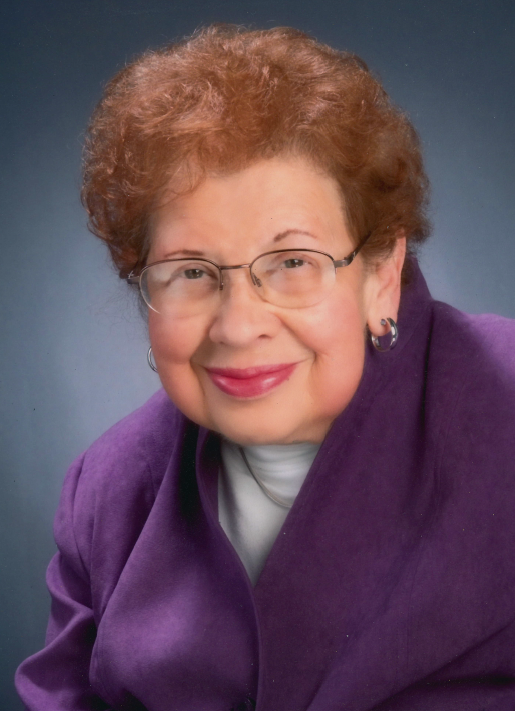
    My Aunt Corinne was someone who stayed in touch with dozens of people. She had 18 nieces and nephews and a similar number of grand nieces and nephews. She had three lifelong friends and approximately 10 good buddies from the various groups she participated in. She sent birthday, holiday, and thank you cards to all of them. Her photo albums were filled with meticulous notes—names, dates, and locations. She was serious about keeping up with people.

    Aunt CorinneYet when my siblings and I were planning her funeral, we were thwarted in our efforts to notify her friends and in-laws. We didn’t have her address book, and we didn’t know the last names of some of the key people in her life. Uncle Bob, her husband, had been dead for 15 years. We’d never met his relatives.

    The breakdown in communication occurred over the course of several years.

    Her address book got lost when she moved from her assisted living apartment into a nursing home. My siblings and I didn’t know it was gone or even think to ask about it. We assumed she kept in touch with the people who mattered to her.

    The problem was compounded when the apartment management couldn’t or wouldn’t tell Aunt Corinne’s in-laws and the nieces and nephews from that side of the family what nursing home she had gone to.

    Aunt Corinne lost the drive to manage the details of her life.

    She was still lucid, but her world had shrunk to a bed in the room she shared with another nursing home resident. She simply didn’t have the emotional energy and mental focus to reach out to family and friends or to ask us to do it for her. We wondered why she didn’t have more visitors and why more of her many nieces and nephews didn’t get involved with her care. But we didn’t want to be judgmental or make her feel bad by asking, so we shrugged off our questions.

    Someone at the church Aunt Corinne attended heard about her death and told her circle of friends, so half a dozen of them came. Eventually we tracked down the names of Aunt Corinne’s in-laws and they spread the word. A few more friends and former coworkers read about her funeral in the newspaper. We were relieved that nearly 30 people were on hand to remember this special lady who always made a point of remembering them.

    Losing touch is easier (and therefore, more troubling) than I ever thought possible.

    When I consider the many ways I stay in contact with friends and family members—phone calls, texting, emailing, social media, Skype, snail mail—it seems astonishing that anyone could drop off the radar. Most people associate accidentally losing contact and being unable to find friends and family as the sort of dilemma that could only happen to refugees who are separated because of war or a natural disaster. But Aunt Corinne lost many of her connections because of a series of small mishaps and unasked questions.

    Well-intentioned people lose touch even when they’re trying. It isn’t that hard.

  • Paying It Forward . . . And Back

    Blue weavingThis past October, my 92-year-old mother and my Aunt Corinne, her 88-year-old sister, both needed to be moved. Mom was moving from the house in Ohio where she’d lived for more than 30 years to a seniors’ apartment. After breaking several vertebrae, Aunt Corinne has been in a rehab center for months. It’s unlikely she’ll be able to return to her costly assisted living apartment, so her belongings had to be packed up and put in storage.

    Each move involved some emotional upheaval. And there was the usual packing process—coordinating with the movers, wrapping precious items in bubble wrap, and figuring out what to do with quasi-useful stuff (Is this worth keeping? Will she ever use this again?).

    Since both moves had to happen within a week of each other, my siblings and I divided up the work. I organized Mom’s move from her house while my sister and brothers emptied out Aunt Corinne’s apartment.

    We’re hardly unique. Many middle-aged people are called on to help elders, often while still raising children. We feel the pull of threads woven when we were still children—unaware of how we mattered to our family.

    When my siblings and I were kids, Aunt Corinne and Uncle Bob were fun to visit. He owned a vending machine business, and they always gave my sister, two brothers and me candy, pop, and snacks from the supplies stored in the basement. Although they didn’t have children, they knew what kids liked, and they always remembered our birthdays with nice gifts. Thank goodness they had a poodle to play with, because we quickly grew bored and squirmy when the grownups talked in the living room. Aunt Corinne had a beautiful flower garden but never fussed if the ball or the dog got into it. So when poor health got the best of Aunt Corinne, we stepped in to help.

    Similarly, my husband, his sisters, and brother began helping their uncle manage his affairs this year. He is fiercely independent, never married, generous to a fault, and blind since he was 40. He finally agreed to move into a nursing home after his last fall and hospital stay. At 92, he has Parkinson’s, cancer and a failing memory—too many issues for him to continue going it alone. When my husband was a teen, his uncle gave him a job in the cafeteria he managed. Since they have that history, he was better able to accept my husband’s suggestion that living alone was no longer a good idea.

    From the vantage point of middle age, I can now see how we weave each generation into the sturdy cloth we call family.

    A nephew on my husband’s side of the family recently got married. He’s a chef, so preparing wonderful food for the wedding was his gift to the guests. Unfortunately, at the last minute, some of the people he had counted on to help weren’t able to come. So his parents, grandmother, my husband and I, along with a handful of others, helped him and his fiancée pull together the many details of the wedding. We cooked, washed up, ran errands, and made decorations. The main entrée was a whole pig that needed to roast all night and most of the day. Our sons agreed to monitor the roasting pig during the middle of the night. That way, their cousin was able to grab a few hours of sleep the night before he got married. His parents rested easier, too.

    Through their willingness to help, our sons deepened their relationships with their aunt, uncle, cousin and his bride. John and I reinforced our ties with our nephew and new niece.

    But more than that, our help affirmed how families pay it forward . . . and back. Giving and receiving are the warp and weft that create the enduring fabric of family.