Category: Legacy

  • Gathering

    Gathering

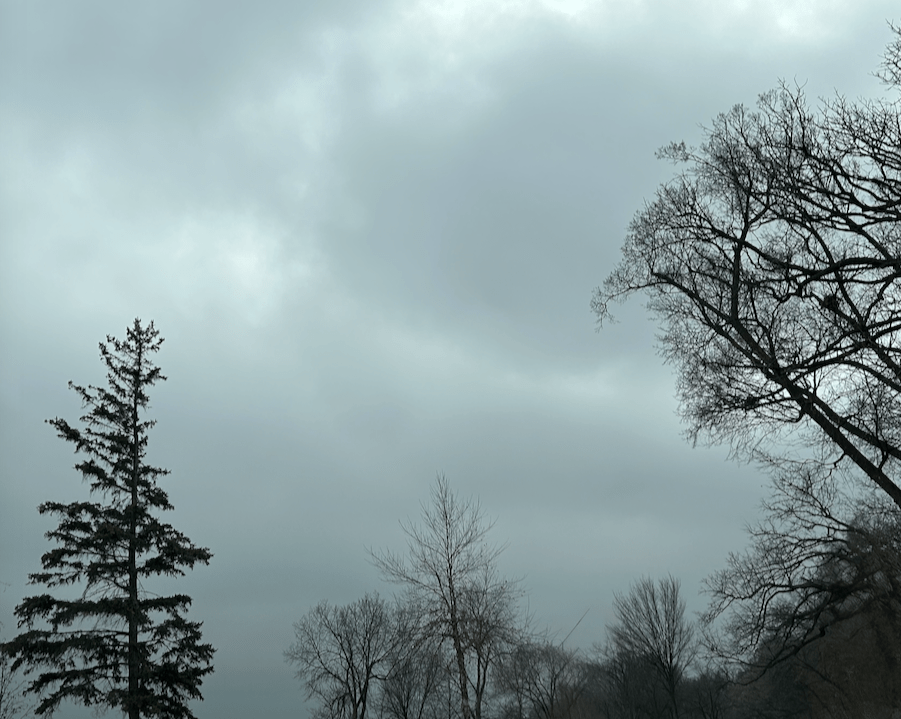
    On days when November winds scour the streets and heavy gray clouds lean on the landscape, I feel Nature’s rhythms more deeply. Summer’s flowers have died and the natural world is dormant. I’m reminded that many of my elders are no longer with us. Even in my awareness of death and departures, I’m also comforted. These cycles are natural. This is how it’s meant to go.

    Although I’m not a farmer, the idea of gathering the harvest resonates. Instead of crops, I gather my family. At Thanksgiving, we relish the ritual and continuity of turkey. My mother’s stuffing recipe. My husband’s mashed potatoes. My pecan pie. Foods we don’t crave any other time of year. Beyond the food served is a yearning to reaffirm our ties to family and tradition. This is what we do, have done for years (Even though our customary foods have evolved. Smoked turkey is tastier than roasted. None of us miss the yams.) We give thanks for what we have and who we have in our lives.

    Nature’s rhythms are also woven into the circle of my extended family. Recently, we celebrated my mother-in-law’s 100th birthday. Four generations gathered in one place. There, too, we enjoyed the ritual of eating our favorite deep-dish pizza, fresh veggies, rich desserts. We honored her along with our connection as family. We reminded ourselves of who we are and who we come from. 

    For the first time, all three great granddaughters were able to attend. One of my granddaughters sat in my lap clapping with delight as the group sang “Happy Birthday.” Her newly met cousin danced and serenaded Gigi (her great grandmother) at the party’s end. Later the little girls played with abandon in the center of the living room surrounded by their grandparents and great aunts and uncles—just as my sons did 30 years ago. 

    Our circle is warm and loving. The cycle continues. 
  • Thinking of Mom

    Sun pours in our bedroom, a converted attic. When I make the bed, I pull the sheet and quilt back together and snap them like Mom used to do. They settle into place with a tiny poofing sigh. The golden wood floor is warm as I circle the bed and fluff the pillows.

    Coming in from the car, my sack of groceries is heavy. I shift hands to lock the garage door, shift again to unlock the back door. I ponder dinner possibilities and think of Mom facing this daily challenge. Although she was a good cook, plenty of times she wasn’t inspired either.

    Some nights, I gather up our crumb-laden tablecloth after dinner to shake out on the back step like Mom used to do. Nobody does this anymore. Not tablecloths. Or shaking out crumbs. But I like it. Before dinner I clear the dining room table of clutter and set the table the way she always did—forks, knives, spoons, and napkins. We often put away the spoons unused but it pleases me to do it her way.

    Minutes after we sit down, I hop up to blow my nose and dab my eye. Whenever I start to eat, they run just like hers did. Some neurological blip we share.

    In the evening, my husband reads the news on the sofa and I read in my chair. We comment on the day’s events, share something about our sons and their families or tomorrow’s plans. Ordinary things, but we’re so content and companionable. I think of Mom and Dad doing the same.

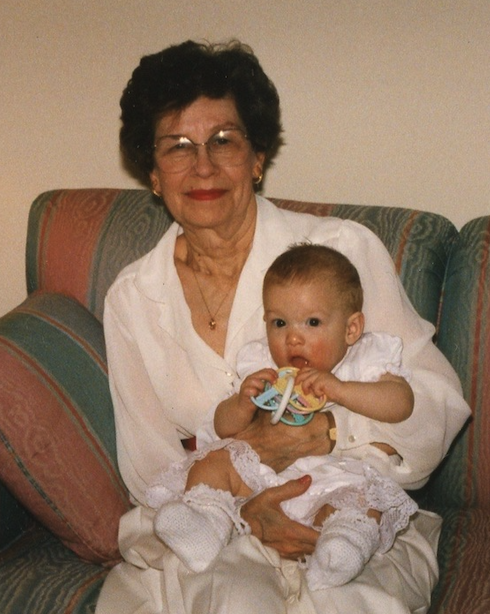
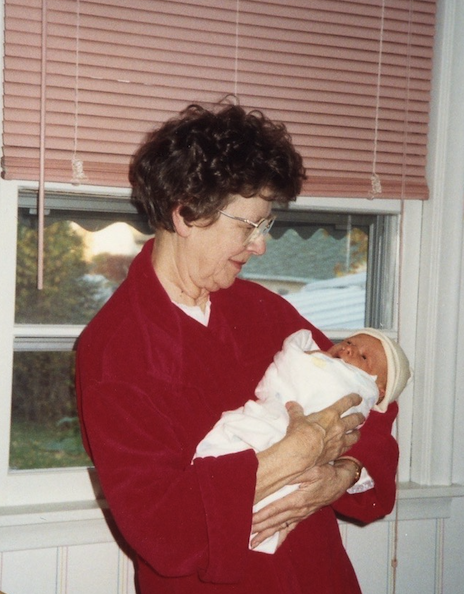
    Mom was 67 and already a grandmother to my brother and sister-in-law’s three, when our oldest son was born. When our youngest son was born she was 70. Even though we lived four states apart, we talked often, so she was familiar with our sons’ personalities and milestones. 

    Mom with our oldest

    I think of the way she got down on the floor to play with them. I do the same with my 10-month-old granddaughter, who crawls over me to get a toy or bounces in time to the music I play for her. When a diaper change upsets my 8-week-old granddaughter, I lean in close and say, “It’s OK little one. You’ll be alright,” in a low quiet voice, the same way Mom soothed our youngest.

    Mom with our youngest

    Mom comes to mind often and I wonder how she felt going about her days. At 70, was she achy in the mornings like I often am? Was she happy and looking forward with pleasure to most of her days? Was she carefree? Nah, my life is good but not carefree—hers wouldn’t have been either. 

    How often did the specter of aging shadow her? She had to be aware that one day her health would decline, friends and family would grow ill and die, and she would probably outlive Dad. Could she keep all that in the background? Did she think—like I do—that “I’m still healthy and capable. These are the good years”?

    Mom died 10 years ago on Election Day, the only time I didn’t vote. Instead, I got in the car to begin the long drive to Ohio for her funeral. It wasn’t a presidential election, but I felt bad about missing the vote. Mom and Dad were part of the Greatest Generation. They were fierce believers in democracy. Dad fought and Mom sacrificed during WWII so democracy could thrive throughout the world. Please support democracy with your vote.

  • The Fierce Urge to Tell Our Stories

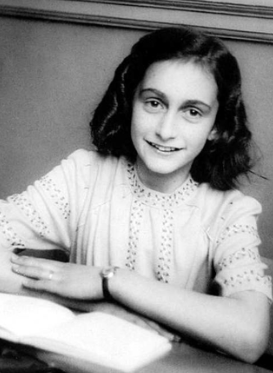
    Anne Frank was a vivacious teenager and a keen observer of human nature. She wrote well and her diary often includes deft characterizations of schoolmates, family, and the other people in hiding with her family. When I recently reread her famous diary in preparation for visiting her family’s hiding place in Amsterdam, I was impressed by her lively mind.

    Initially, she wrote to sort out her feelings—the same impulse that has prompted me to keep a journal off and on since I was a teenager. Putting my feelings into words helps me understand them. Airing out something on the page calms me and enables me to move on. 

    At first, Anne Frank meant her diary to be private. When she was 15, she heard a radio broadcast about a Dutch official who wanted to collect war stories and experiences, so she edited her diary in hopes it might be published one day. Unlike Anne Frank, I don’t want my journals shared with others. They’re histories of cranky confusion, and without context, they would likely distress family or friends once I’m gone and can’t explain.

    After her family went into hiding, her diary also served as a record of how they lived—what their space looked like, what their meals were, and what their daily schedule was. As the war intensified, she recorded bombing raids and news updates.

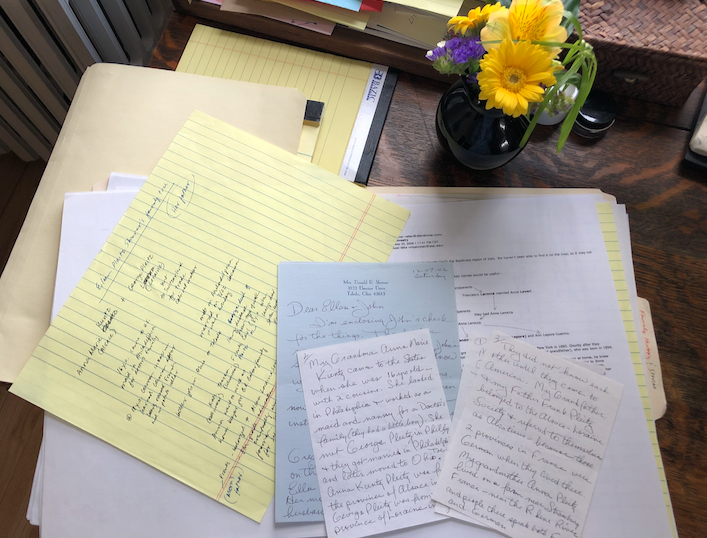
    Shortly after I finished the Anne Frank book, my sister asked me to refresh her memory about our great great grandmother—Katherine O’Tanney Feeley who emigrated from Ireland in the late 1800’s. To answer, I searched handwritten notes from my mother and father—a story here, a date and detail there. Some of the notes are sketchy and incomplete, but I decided I would make sense of them in a Word document so others in my family will have a record.

    Anne Frank’s story has touched millions all over the world in the decades since she wrote it. I have no such expectation for the family record I’m assembling. All I have are snippets of stories, not much to go on. Perhaps a few family members will have a mild interest. Hearing about people you never knew (even if they’re related to you) can be boring. 

    I’m fascinated by the urge to write journals and record family histories. Beyond that is the widespread wish to share the content of our days on social media or like I’m doing with this blog. People across all eras and cultures have felt this fierce need to tell our stories and understand who we are and who we came from. Sometimes we’re saying, “Here’s what happened.” Other times the wish to share is a way of saying, “I’m here. I matter.”

    Anne Frank could not have imagined how much her story would matter or how many readers would be touched by her words.

    Although my intentions and hopes for my writing differ from Anne Frank’s, I feel a kinship with that young woman born almost a century ago.