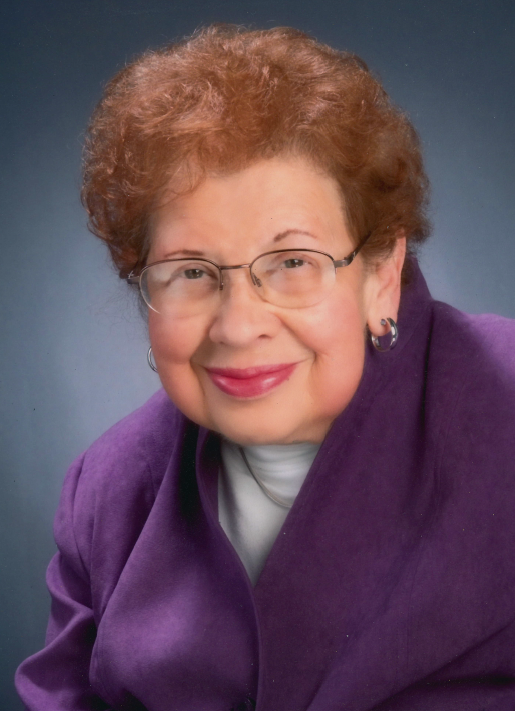
My Aunt Corinne was someone who stayed in touch with dozens of people. She had 18 nieces and nephews and a similar number of grand nieces and nephews. She had three lifelong friends and approximately 10 good buddies from the various groups she participated in. She sent birthday, holiday, and thank you cards to all of them. Her photo albums were filled with meticulous notes—names, dates, and locations. She was serious about keeping up with people.
 Yet when my siblings and I were planning her funeral, we were thwarted in our efforts to notify her friends and in-laws. We didn’t have her address book, and we didn’t know the last names of some of the key people in her life. Uncle Bob, her husband, had been dead for 15 years. We’d never met his relatives.
The breakdown in communication occurred over the course of several years.
Her address book got lost when she moved from her assisted living apartment into a nursing home. My siblings and I didn’t know it was gone or even think to ask about it. We assumed she kept in touch with the people who mattered to her.
The problem was compounded when the apartment management couldn’t or wouldn’t tell Aunt Corinne’s in-laws and the nieces and nephews from that side of the family what nursing home she had gone to.
Aunt Corinne lost the drive to manage the details of her life.
She was still lucid, but her world had shrunk to a bed in the room she shared with another nursing home resident. She simply didn’t have the emotional energy and mental focus to reach out to family and friends or to ask us to do it for her. We wondered why she didn’t have more visitors and why more of her many nieces and nephews didn’t get involved with her care. But we didn’t want to be judgmental or make her feel bad by asking, so we shrugged off our questions.
Someone at the church Aunt Corinne attended heard about her death and told her circle of friends, so half a dozen of them came. Eventually we tracked down the names of Aunt Corinne’s in-laws and they spread the word. A few more friends and former coworkers read about her funeral in the newspaper. We were relieved that nearly 30 people were on hand to remember this special lady who always made a point of remembering them.
Losing touch is easier (and therefore, more troubling) than I ever thought possible.
When I consider the many ways I stay in contact with friends and family members—phone calls, texting, emailing, social media, Skype, snail mail—it seems astonishing that anyone could drop off the radar. Most people associate accidentally losing contact and being unable to find friends and family as the sort of dilemma that could only happen to refugees who are separated because of war or a natural disaster. But Aunt Corinne lost many of her connections because of a series of small mishaps and unasked questions.
Well-intentioned people lose touch even when they’re trying. It isn’t that hard.