Category: American Culture

  • Pure Nostalgia and a Weird Convergence

    Seeing the paint-by-number ‘artworks’ decorating Hot Plate, a neighborhood breakfast place, plunged me into nostalgia.

    At 10, nothing was better than making art that looked ‘real’ or perhaps I should say, ‘recognizable.’ Horses fascinated me and I labored at drawing them, using my horse statue for reference. One birthday, I received a paint-by-numbers kit for a horse portrait. Dip the cheap brush into the dime-sized plastic pots of paint, dab it in the blue-outlined shapes and voilà—my horse looked like the one shown on the box! Success!

    A weird convergence.

    Until my husband read the historical note in Hot Plate’s gallery, I’d never known that the Craft Master Corp., which made the paint-by-number kits, was headquartered in Toledo, my hometown. At first I thought, “That figures,” then I reminded myself that Toledo is also home to the Toledo Museum of Art, at the other end of the art world spectrum.
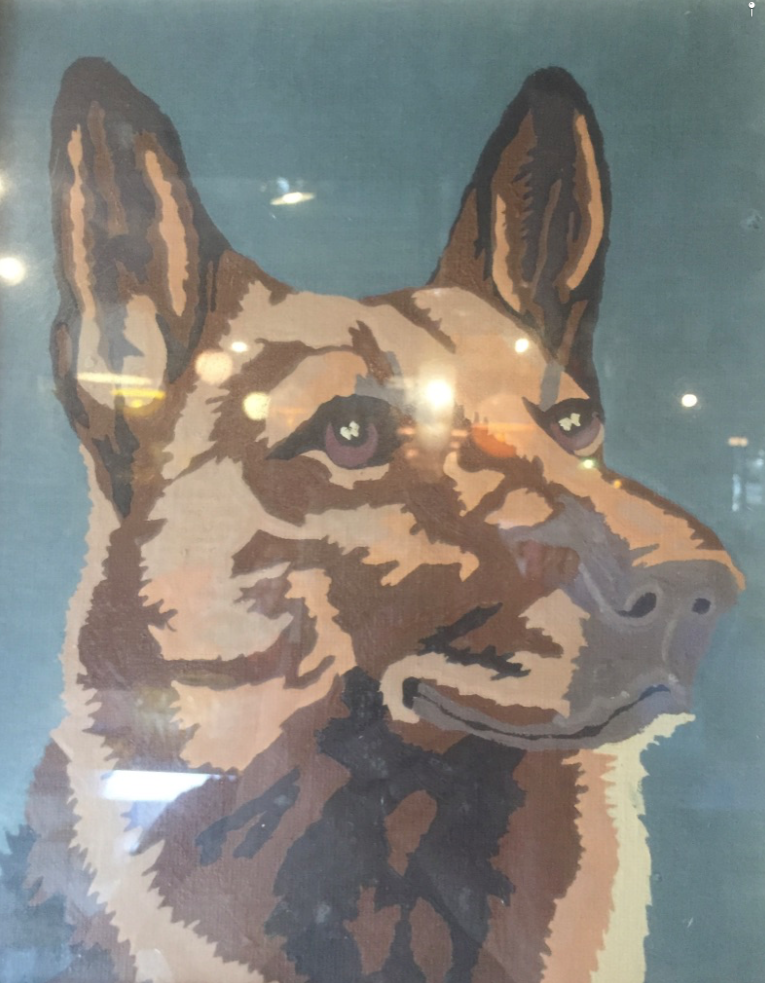
    While crunching home fries and laughing at the paintings of questionable landscapes, sad clowns, and plucky dogs, I marveled at the paint-by-numbers concept. Someone had to curate images, analyze and isolate the placement of highlights and shadows, and choose the appropriate colors. Today, that function can easily be done in a graphics program, but in the 1960s that wasn’t the case.

    The appeal of paint-by-number kits (popular in the 1950s and 1960s) and Bob Ross’ PBS show, “The Joy of Painting”(mid-1980s to mid-1990s, now immortalized on YouTube and in popular culture) is the idea that ordinary people with little or no artistic training can have an outlet for their creative impulses and paint something they’ll be pleased with.

    On the paint-by-numbers box was the slogan, “Every man a Rembrandt!” We l l l, not exactly. But for my 10-year-old self, there was a real pleasure in making a painting that turned out.


  • No More Guilt with Every Bite

    At the pottery studio where I take classes, someone recently brought in a box of donuts to celebrate a Hallmark holiday. They were left on the counter with a note that said—Enjoy!

    The conversation among women in the lunchroom that followed was depressingly familiar. “Ooooh, they look so good, but I shouldn’t be eating this,” said a woman who cut a chocolate frosted donut into quarters and took one. Another woman chose a whole plain donut, the smallest one she could find and said, “I worked out last night, so it’s OK.”

    I’ve seen this behavior again and again—among young women as well as older ones and with thin women and heavier women. Interestingly, I’ve rarely seen men do this. Most of the time they help themselves to a treat. Or they don’t. But men don’t seem to participate in the chorus of guilt, denial, and shame about eating and enjoying anything that has fat, sugar, or salt in it—in other words, anything that is considered a treat.

    Many people forego sweets or salty snacks because of concerns about diabetes or heart disease. I respect their need to abstain and recognize that the box of donuts—while meant to be a generous bit of fun—is a trial.

    But what I’m referring to is the ingrained habit many women have of not allowing themselves to simply enjoy a treat. First, they must apologize for wanting it, then if they have some, they feel excessively guilty. Or if they take a portion, they feel compelled to justify it: “I had a salad for lunch, so I can have a piece of cheesecake for dessert.”

    Why? Because in our culture, it seems like everyone feels they have the right to monitor or criticize a woman’s weight. We learn at an early age that what really matters is being thin and attractive, despite the many positive messages to the contrary.

    I’ve made those same apologies and given the same justifications. But seeing how often this conversational pattern occurs makes me sad. And angry. I wish women felt they had the agency to eat whatever is appropriate for our own health and weight without defending or apologizing for our decisions.

    I’d love to see a group of women savor a treat without guilty apologies. To refuse to characterize the moment as “pigging out.” To hear them exclaim, “This is so good!” and own their enjoyment.

  • Santa and the Spirit of Christmas (Spoiler Alert!)

    We began an elaborate hoax when our sons were toddlers. Santa lived with his elves in a toy shop at the North Pole. He drove a sleigh pulled by magical reindeer. Somehow Santa brought presents for kids all over the world all in one night. Sometimes I wondered why I was perpetuating the myth, when I would just have to explain it away later.

    As little guys, our sons couldn’t distinguish make believe from so-called reality. There was God, who they couldn’t see or understand, Power Rangers who got rid of bad guys, and Barney, a singing purple dinosaur. Why not Santa? Plus, the fiction was bolstered by family, at daycare, in stores, and by songs, movies, and books. The idea of Santa would have been hard to resist, especially since their friends and neighbors were also being indoctrinated. But when it came right down to it, we likedthe idea of magic and spreading joy.

    So, we were committed. When the boys mentioned toys they liked, we took note and occasionally reset expectations (Santa brings presents to so many kids. He probably can’t give 160-piece Lego sets to everyone.) We hung stockings and filled them with never-seen-before candy on Christmas Eve after the guys were asleep. Along with the wrapped gifts from us, we set out unwrapped gifts from Santa. We encouraged the boys to leave cookies and milk for Santa. My husband and I enjoyed the cookies, but left one with a bite out of it along with a thank you note from Santa. Christmas felt magical.

    Eventually, our sons grew older and began to wonder if Santa was real. Then I explained that Santa was make believe, but the spirit of Christmas isn’t. At Christmas, many people are more generous, more loving, and act better than they have to. Over the years, people have done incredible things in the name of Christmas, like the Christmas Truce of World War I in 1914. As part of my explanation, I also swore my guys to secrecy. They were under strict orders not to tell their friends what they had learned—they should let other kids’ parents explain it. Our sons understood the responsibility and wanted to help keep the magic alive.

    I don’t know how our sons will handle the topic of Santa if they have children, but if they carry on the tradition, I’ll be a willing co-conspirator.