
Seeing the paint-by-number ‘artworks’ decorating Hot Plate, a neighborhood breakfast place, plunged me into nostalgia.
 At 10, nothing was better than making art that looked ‘real’ or perhaps I should say, ‘recognizable.’ Horses fascinated me and I labored at drawing them, using my horse statue for reference. One birthday, I received a paint-by-numbers kit for a horse portrait. Dip the cheap brush into the dime-sized plastic pots of paint, dab it in the blue-outlined shapes and voilà—my horse looked like the one shown on the box! Success!
A weird convergence.
Until my husband read the historical note in Hot Plate’s gallery, I’d never known that the Craft Master Corp., which made the paint-by-number kits, was headquartered in Toledo, my hometown. At first I thought, “That figures,” then I reminded myself that Toledo is also home to the Toledo Museum of Art, at the other end of the art world spectrum.
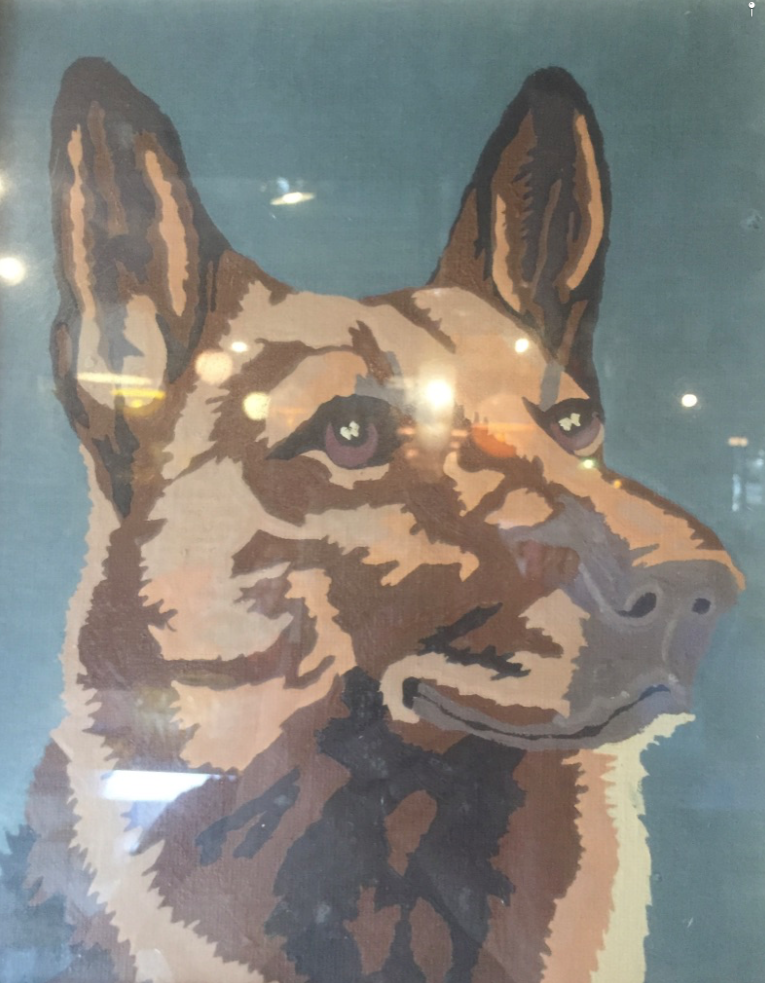
 While crunching home fries and laughing at the paintings of questionable landscapes, sad clowns, and plucky dogs, I marveled at the paint-by-numbers concept. Someone had to curate images, analyze and isolate the placement of highlights and shadows, and choose the appropriate colors. Today, that function can easily be done in a graphics program, but in the 1960s that wasn’t the case.
The appeal of paint-by-number kits (popular in the 1950s and 1960s) and Bob Ross’ PBS show, “The Joy of Painting”(mid-1980s to mid-1990s, now immortalized on YouTube and in popular culture) is the idea that ordinary people with little or no artistic training can have an outlet for their creative impulses and paint something they’ll be pleased with.

On the paint-by-numbers box was the slogan, “Every man a Rembrandt!” We l l l, not exactly. But for my 10-year-old self, there was a real pleasure in making a painting that turned out.

