Picture a wedding. What comes to mind? White dresses, bridesmaids in matching colors, extensive guest lists, showers, bachelor/bachelorette parties, walking up the aisle, flowers and music, elaborate receptions with carefully chosen (and usually expensive) food and drink, cake, first dances, honeymoons. Gifts. Lots of gifts—at showers, for bridesmaids and groomsmen, party favors for wedding guests, and gifts for the newly married couple. Of course, this vision wasn’t always so.
During WWII many couples, including my parents, improvised their weddings. Mom and Dad rescheduled twice and finally got married on the third try. Their wedding resembled the small, intimate weddings that have become common during COVID-Times.
For some, the simplicity has been freeing. Too often weddings take on a life of their own. The couple can become performers of a script they didn’t wholeheartedly choose.
This spring when our sons marry, they will have the essentials: love and commitment. Close friends and family standing by to support them. Meaningful vows. A pleasing setting and celebratory food. Joy. Everything they need.
Although my parents didn’t live to see their grandsons marry, there’s a pleasing symmetry in these small COVID-style weddings. When the times call for it, love finds a way.
Healthy exercise respecting social distance in the neighborhood appeared difficult with a cluster of kids playing soccer, family groups stretching across walks and streets, dog walking people following the direction of their pets. We drove to the quiet side of a nature preserve where trails are seldom used on weekends. One car stood empty in the parking lot. Parents with a preschool child exited a different car.
We waited for them, but as shoe tying and other preparations continued we made our way to the trail map. The youngster, possibly unaware of social distancing, ran to join us and told her parents that she wanted to be lifted to read the map. Offering her their hands, they assured her they knew the way. We backed away as the child threw a hissy complete with screaming, stomping, and slapping. The right trail choice was any that would create space from the unhappy kid.
As grandparents we’ve learned about giving young children time to make wise choices instead of forcing action on them. Children of privilege are supported in making choices many times daily from choosing to wear clothes to daycare through patient questioning of resistance at bedtime twelve hours later. Family, friends, complete strangers, might be expected to wait while a child tests the limits or can’t choose. It takes a village after all.
Then comes COVID-19—no negotiations, no children making choices, no endangering strangers by ignoring social distance guidelines. The village has been forced into change.
From closed schools, to prohibited playgrounds that look the same as open playgrounds, to stores asking only one family member do household chores; parenting has pivoted in answer to the dual wham of pandemic and economic storms. Parental instincts to keep things normal for the kids are strained as jobs are lost, employers demand long work hours in the family’s home, distance learning replaces classrooms, and being homebound stretches. Hugs of grandparents, cousins and close friends disappeared with no known date of return. Parents have had little time to concentrate on adapting to new burdens, to problem solve, to explore their personal fears or worries.
Experts say our kids experience anxiety of this crisis just like adults. Some will lose a loved one or friend. The soundtrack of childhood has been interrupted to never play in quite the same way. COVID-19 is drawing new lines on the future maps of kids’ adulthood. Our six-year-old family member misses her classmates, her neighborhood friends, going places with her parents. She understands that the sickness means she can’t ride her bike with other kids, climb or swing at the park, be physically present with her friends. The sickness is beyond her parents’ control. She can make good decisions about a snack or activity, but bigger forces now set the limits beyond the front door.
Technology gives us time to talk, play games, be with family. A plate or two on the table and tiny faces on a screen may be how we celebrate this spring’s holiday and holy day traditions with those we love. Better than no connection, a card or a phone call. COVID-19 denies us the powerful comfort of each other’s warmth, smell, physical presence whether around the dining table, at a special event, at a hospital bedside. Some of us will stay healthy. Some of us will die in the company of strangers. No screaming, stomping or slapping can change what we have to keep doing. We will gather to celebrate or grieve in the future. God willing.
Stay home. Stay safe. Keep others safe. May your holy day traditions provide comfort.
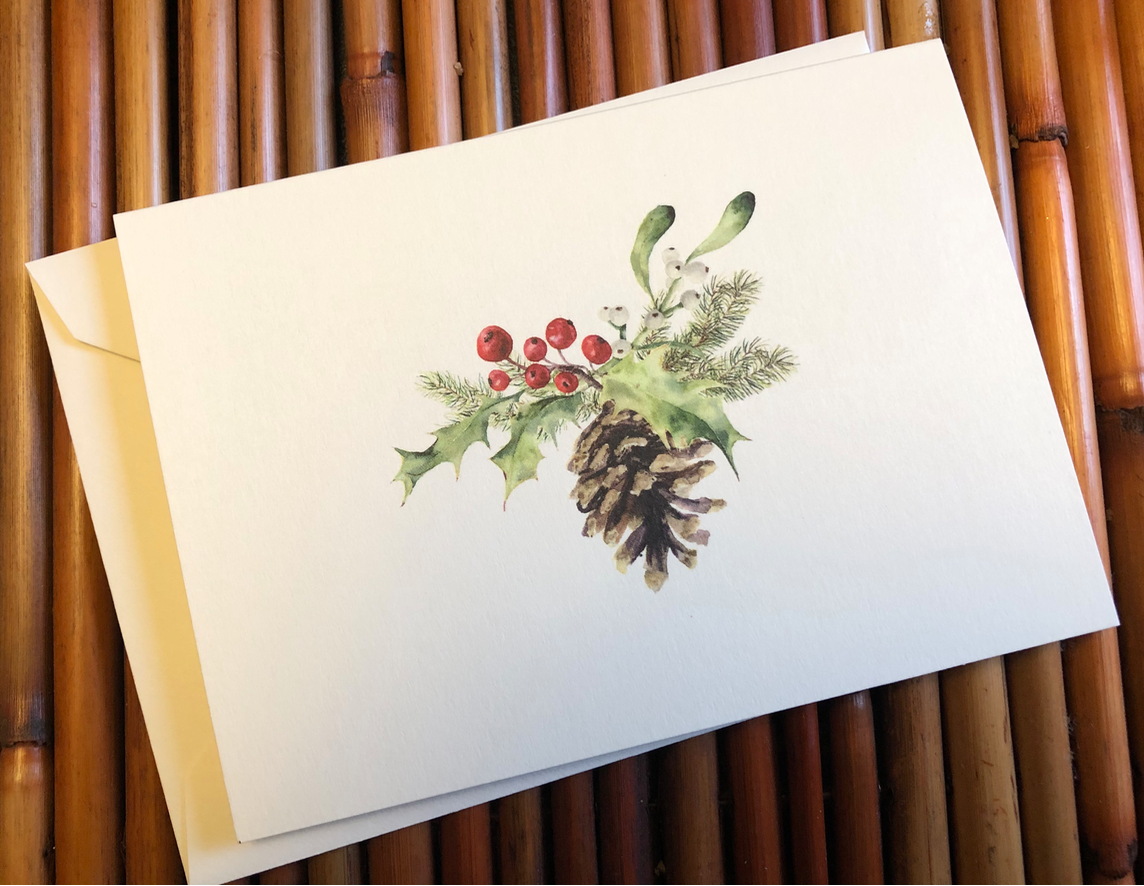
For the last several years, a friend and I have gotten together every December to address Christmas cards and catch up over tea. She still writes at least two dozen, while my output has dwindled to less than 10.
I used to love Christmas cards. I tended to indulge in the expensive ones printed on high quality paper, the ones with artistic designs or humorous sentiments. Sometimes I bogged down with signing them and getting them to the Post Office, but I always got them out before New Year’s.
While doing business as Ellen Shriner Communications, I began handcrafting holiday cards to send to ad agency and marketing clients. Instead of dropping off clever client gifts or food treats (a common practice in the communications world), I made a charitable donation in my clients’ honor and hoped the cards would remind clients about my creative work. I also sent the cards to close family and friends.
Every year, I wandered the aisles of the now-defunct Paper Depot and let the stamps, vellums, fine cotton card stock, and gorgeous imported papers inspire me. For a month, I holed up in my office planning, writing, printing, cutting, gluing, and assembling 50-60 cards. Many years, I made several versions because I was attracted to multiple ideas, and it was fun to experiment.
The card with red ribbon involved dried flowers from my garden. For the one on the far right, I drew ornaments in watercolor. For the one in the center, I hand cut starbursts with an Exacto knife so the gold vellum would show through.
By the end of 2010, I was winding down my business and had accepted a hospital marketing job. I could have continued making the cards for family and friends, but handcrafting cards no longer gave me as much pleasure, and the world of holiday greetings had changed.
For many people, sending Christmas cards had become just one more thing on a long To Do list. Friends and family were relieved to let go of the tradition. Often the cards I received seemed to be guilt-induced (Dang! She sent me one. Now I need to reciprocate), and I didn’t want to cause that discomfort.
For me, Christmas cards had been a way to stay connected with out-of-town family or friends I rarely saw. Often the cards summed up how the year had gone, and that ritual reflection felt worthwhile.
Now a yearly missive is less important. Calling is so cheap and immediate that the most important people in my life already know what’s going on. As a writer, I’m at the keyboard most days and can dash off a quick email to friends. Social media has made it easy to stay in touch with an extended group of people.
Maybe one day I’ll rediscover the creative fun of playing with fine papers, glue, and an Exacto knife. But this year, I’ll sign a few store-bought cards and write a handful of personal notes. Of course, nothing replaces visiting in person, especially over a cup of tea!
To all of our blog readers: the WordSisters send lots of affection and appreciation for our connection. Happy Holidays!