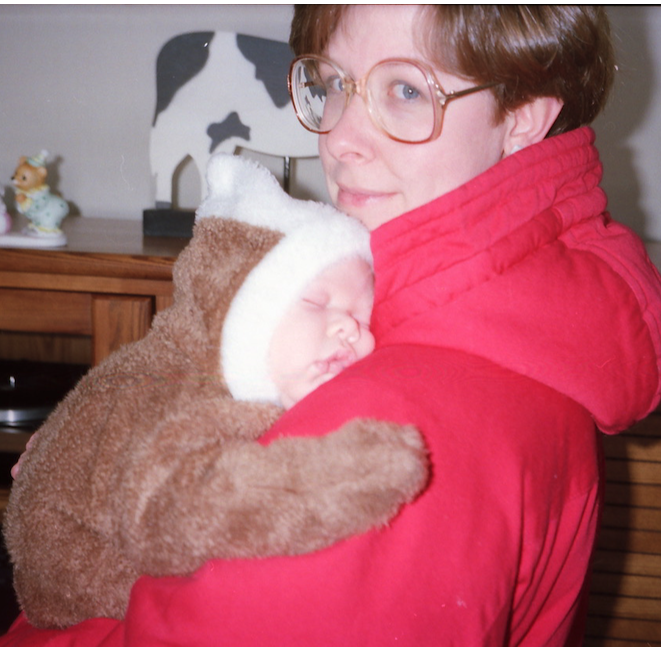
I’ve cared for enough older women in my family to see the frailties I may have in the coming years. I’ve learned to be patient with their slower pace. I accept the extra steps they take to stay in charge of their lives—switching glasses and putting them away carefully and doublechecking locks. I already do that. I’m accustomed to the effort invested in maintaining dignity—looking where I’m walking, dressing comfortably, but well. So far, I’ve managed to avoid the flat bedhead spot so many older women seem unaware of!
Some days I feel exactly how old I am. My hip twinges a little. Or I can’t think of a word and it comes back five minutes later. I have a wealth of experiences and insights but the wisdom to know I should refrain from giving too much unasked-for advice. At this stage of life, my outlook is measured. Realistic.
Other days I feel like I’m fifty. Nothing aches. I’m energetic, ready to tackle big projects, and confident they’ll turn out well. The future is off in the distance and looks bright. I’m optimistic.
My thirties are also vivid—relived through the lives of my daughters-in-law. Revived by their pregnancies and new motherhood. I remember how fascinating my changing body was and how much it mattered to have a few maternity clothes I really liked.
1989
I haven’t forgotten the fog and overwhelm of life with a newborn. How every little thing worries you. I also know you can grow bored by the long repetitive days, no matter how much you love your child. How ready you can be to use your brain for something besides calculating the hours since the last feeding. But the sweetness of cuddling a sleeping baby tempers that restlessness.
When my son hands me his baby, our past, present, and future converge.
In my everyday life, I’m a planner. I schedule visits with friends, household chores, exercise, and so forth. I mark my calendar and make detailed lists. But when it comes to big decisions, I’ve often acted on a gut feeling and made consequential choices without really knowing what I was doing or how they would turn out. I’ve winged it.
For example, I moved cross-country for college teaching jobs when I was in my 20s. I knew very little about the English departments I’d be part of or the small towns I was moving to. In the first college town I discovered the lack of privacy. Students hounded me about grades at the bar when I was blurry after half a pitcher of happy hour beer. Or they’d chat me up in the drugstore as I reached for a box of tampons. The next college had three different presidents by December, and we worried our paychecks would bounce. Nonetheless, I grew into a competent teacher and made lifelong friends.
When the second college’s financial troubles led to layoffs, I moved back to my hometown to be closer to family. I didn’t have a job but hoped I’d figure it out despite the recession. For nine months, I burnt through my teacher’s pension before I got a job writing training materials—which launched my next career as a marketing communications writer. Once I was employed, my fiancé joined me and we were married in the loving circle of family.
A few years later, I moved away again after my husband got a job in Minnesota because our prospects were limited in Ohio. We started over in an unfamiliar city—with new jobs and a new house but no roadmap for how to be settled and happy there. 35 years later our roots are deep. Our expanding family and circle of friends are here. We happily consider ourselves Minnesotans. Wind chill and all.
Although I liked the fulltime job I first took in Minnesota, I wanted to have more time with our young sons. I launched a freelance communications business with only one client and nothing but promises of work from others. I knew little about the ups and downs of managing clients and erratic cash flow.
Fortunately, my husband is excellent with finances. I discovered I had a knack for keeping clients happy and writing about their products and services. I kept my business going for 18 years, but after our youngest son left for college, I wanted to have coworkers again. My collie/office mate was sweet but didn’t have much to say. I took a hospital communications job and enjoyed being part of a large team.
Several years later, there was a reorganization and the joy went out of the job for me. At 61, I didn’t see other part-time career opportunities, so I decided to retire. Although I knew retirement would be major transition, my vision for it was vague. Since then, I’ve built a satisfying life which includes writing, reading, tutoring, gardening, traveling, and plenty of time with family and friends. Occasionally, a headhunter approaches me about work, but I’m not tempted. Retirement life is great!
At each of those turning points, I wasn’t sure how the change would play out. I didn’t have a blueprint to ensure my new life would be OK. I trusted myself to make up my new life as I went along. I’ve made my share of mistakes and endured some tough times, but so far, things have worked out.
These days, I occasionally worry that I haven’t prepared enough for the coming years. We have organized our retirement finances, and we’re actively enjoying life while our health is good. Otherwise, I approach aging in a short-sighted way—with no real plan, just wishes. As if I’m not aging. As if I won’t have to deal with assisted living. As if my own health won’t deteriorate and friends and family won’t get ill or die. I’ve been living life as if I’m not growing older, except obviously I am.
Sometimes I wish I could prepare for the emotional and physical hardships in my future. Like if I had a plan, I could avoid them. But I know worrying about what hasn’t happened only robs today of joy. I remind myself I’ll figure it out as I go along—just like I always have.
Since ancient times, people have observed days growing shorter and dreaded winter’s coming darkness, which culminates at winter solstice. These days, many of us barely notice this natural shift, but instinctively we light candles, fill our homes with tiny twinkling lights, and gaze at crackling fires—all in an effort to push back the darkness. Beyond being the shortest day of the year, winter solstice can be thought of as a time of change, when one era or year draws to a close and a new one dawns.
Some personal events parallel this natural cycle of transformation. My family is expanding—a welcome change—and our tradition of hosting several days of long elaborate holiday meals will evolve. Next year, there will be a little person in a highchair who won’t be able to sit still and wait while we linger over a second glass of wine. We’ll let go of our current traditions and invent new ones that are more kid-focused. That’s as it should be.
I’m also aware of another coming transformation. One of the writers’ groups I’ve been part of for 15+ years will change when a core member moves to Michigan. Because we write memoir and personal essays, we have shared our secrets and personal truths—first in stories with the group, later in writing launched into the big world. Consequently, we have developed an extra measure of trust and acceptance other friendships might not achieve. We support each other when our lives are troubled and when our writing stalls. We celebrate our personal triumphs and our publishing successes. The idea for the WordSisters blog came from this group—you’ve read our writing over the years.
Of course, we’ll continue to meet via Zoom. We’ll still share our stories and writing, provide encouragement, and offer personal and writerly advice. We’ve pledged to stay part of each other’s lives, but we all understand our current way of meeting is ending.
I’m at the cusp where I can see the past and the future—acknowledge what’s changing and welcome what’s coming next. My family and my writers’ group will move into a new era. In the natural world, the days will begin to grow longer and brighter minute by minute, and spring will arrive as it always does.