Category: Raising children

  • Lessons Learned on a Sick Day

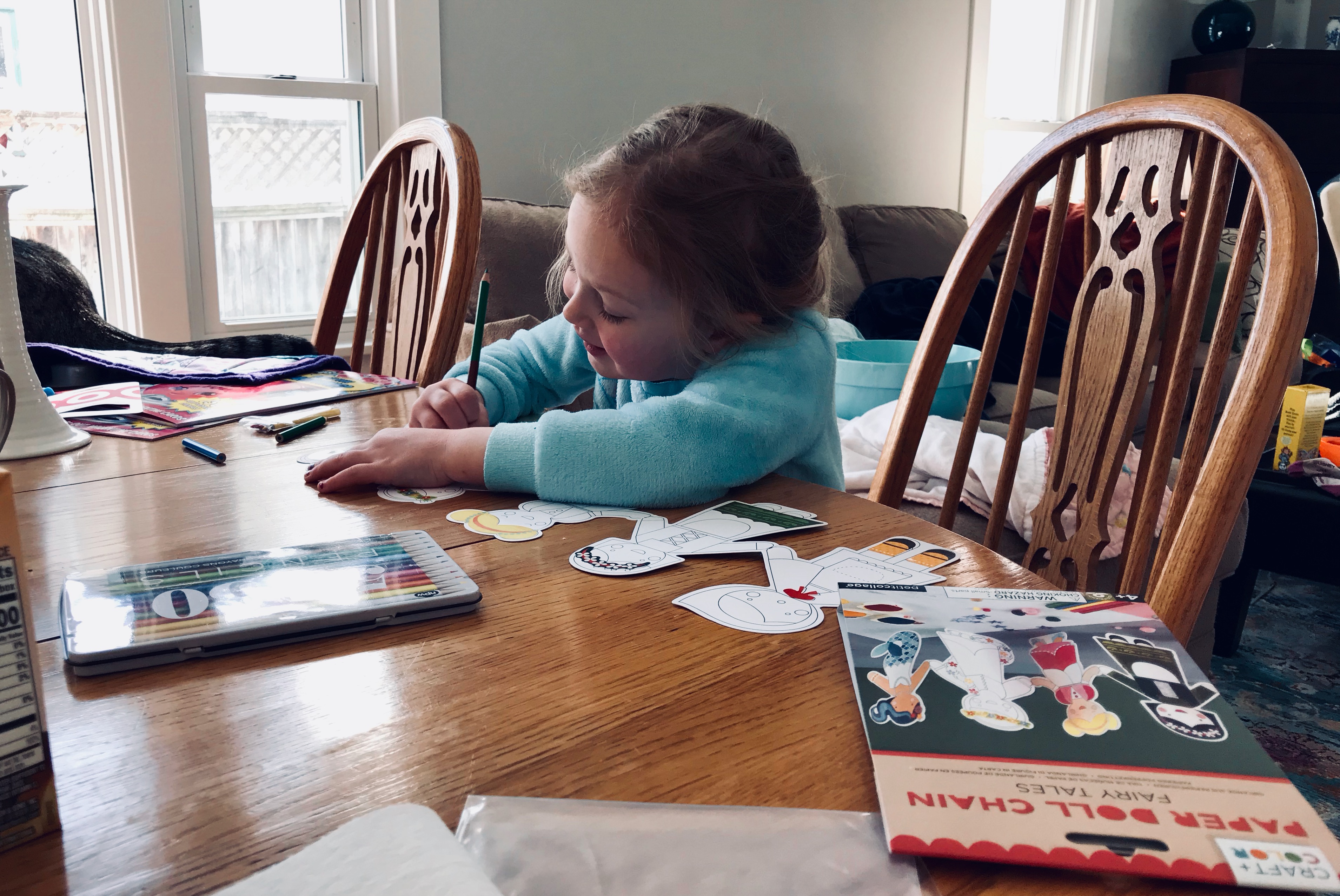
    She was up barfing at four. When I arrived hours later, she had pink cheeks, a kitty ears headband, and was play-ready. She assured me it wasn’t really being sick to barf, but pre-school wanted her to stay home. She was sad Mom wasn’t staying home, sad to miss her friends, but game for whatever Grandma brought to the day.

    Lemon-lime soda was no longer needed. Water was fine. Munching many plain saltines and a cup of dry cereal made up for a missed breakfast. Within minutes we were on the sofa deep in a Brain Quest card deck working through sequencing challenges, adding, matching letters and words, talking about calendars and telling time on old-fashioned round clocks.

    Those clocks sparked the first pronouncement of preschool wisdom. She thought I must have had a clock with numbers in a circle because I am old. I corrected that statement to older. She didn’t buy the change. A teenager had given me the same look when I asked if the general store in a small town carried watches.

    With interest in Brain Quest waning, I suggested we start an art project. She turned down the idea because she said she loved to learn things. There wasn’t anything better she could have said if she hadn’t finished with a sympathetic sigh before sharing that it was sad that old people couldn’t learn stuff. That’s not true I replied and told her about a friend who learned another language to work with immigrants, another friend attending university classes, my own tap-dancing studies. She frowned and said maybe I had special friends. That I do.

    Even at her age I couldn’t do backward summersaults, so she had me at that, but I didn’t expect to frighten her when I got down on the floor to do a plank next to her. Old people could get hurt doing planks she said. I replied anybody could get hurt doing planks, but we were both strong because we could hold a plank for almost a minute. Then I sat back to watch her attempt head stands and intricate twirls.

    We rounded out the day with dressing the cat, coloring paper dolls, and baking a chocolate cake. She looked tired, but happy. Her mother looked tired after an important work day. And grandma drove home, happily tired out after an unexpected play day.
    IMG_6051

  • Barbie, Midge, Robin and Me

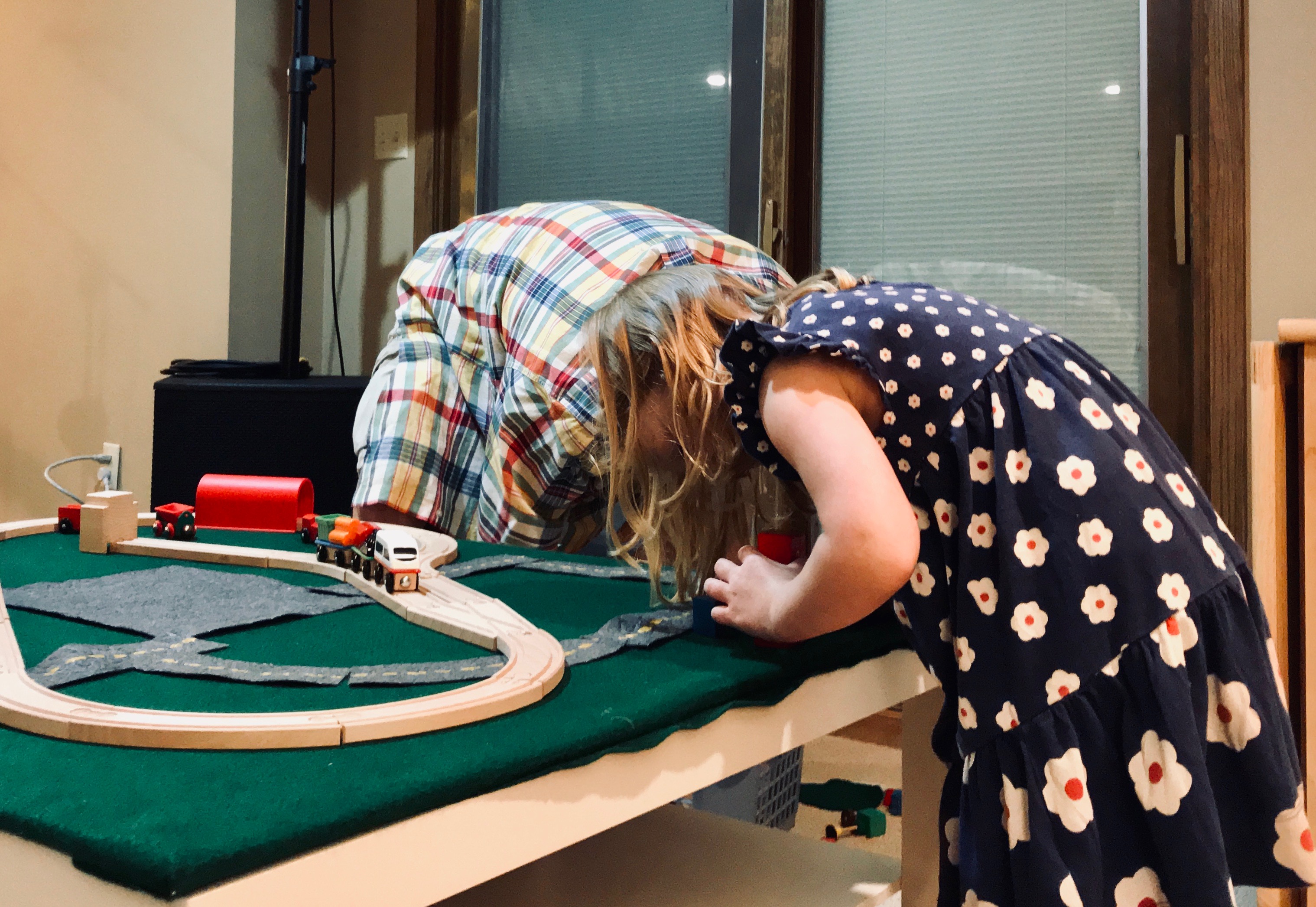
    The father of my best friend Robin owned a tool business franchise which provided two young girls with opportunities to fill bins in his wonderful red truck, to bake cookies he could share with customers, and access to dozens of interesting empty boxes.

    Robin attended 95thStreet School and I went to parochial school, but we had matching pencil boxes in our desks. Most kids found a source for cigar boxes, but we had decorated paper boxes not needed in his truck into unique containers with compartments for pencils, color pencils, scissors and such. We didn’t know each other’s school friends, but we shared something deeper: hours of playing with Barbie, Midge, Skipper and Ken in wonderful houses, stores, airplanes and schools constructed out of even more empty boxes.

    When the weather was cold, Robin’s basement became a town for an afternoon of play. Her Barbie had a flight attendant outfit, mine had a tailored suit. We shared a plastic pseudo-Barbie car that took one to the airport and the other to an imaginary office. Neither of us knew anyone who worked in an office or flew on planes so eventually the story turned back to all the dolls sitting at little box desks with one Barbie, attired in a skirt and sweater, called teacher.

    Robin had an older sister and we both had moms so we knew real women weren’t built like our Barbie crew, but we didn’t know flight attendants, nurses, doctors, brides, or girls who wore wonderful ballgowns. Our parents didn’t buy us Barbie’s plastic house or bedroom furniture, but Robin’s dad shared tape and scissors and boxes to build furniture and a variety of workshop towels to make blankets. We stood next to him in his wood working shop as he made small frames and blocks that could extend our Barbie furniture building. We learned how to sand.

    Our Barbie phase lasted less than a year, a simple time when we creatively explored, built and did what kids are supposed to do. Parents helped feed our play then stepped back. And we did okay. And I wish I could say thanks to Robin’s father and all the other parents who stepped out over the years with camping trips or garden planting or an evening at the opera to expand the world beyond the girl toys of Barbie and her crew. And those who do that today as  they parent another generation of kids.

    IMG_5720

  • Santa and the Spirit of Christmas (Spoiler Alert!)

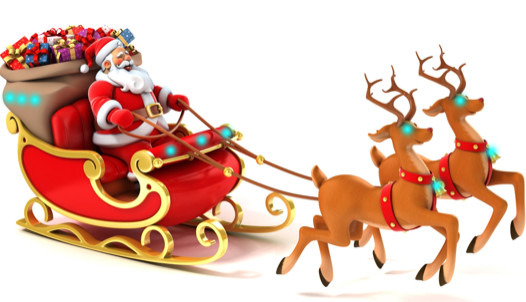
    We began an elaborate hoax when our sons were toddlers. Santa lived with his elves in a toy shop at the North Pole. He drove a sleigh pulled by magical reindeer. Somehow Santa brought presents for kids all over the world all in one night. Sometimes I wondered why I was perpetuating the myth, when I would just have to explain it away later.

    As little guys, our sons couldn’t distinguish make believe from so-called reality. There was God, who they couldn’t see or understand, Power Rangers who got rid of bad guys, and Barney, a singing purple dinosaur. Why not Santa? Plus, the fiction was bolstered by family, at daycare, in stores, and by songs, movies, and books. The idea of Santa would have been hard to resist, especially since their friends and neighbors were also being indoctrinated. But when it came right down to it, we likedthe idea of magic and spreading joy.

    So, we were committed. When the boys mentioned toys they liked, we took note and occasionally reset expectations (Santa brings presents to so many kids. He probably can’t give 160-piece Lego sets to everyone.) We hung stockings and filled them with never-seen-before candy on Christmas Eve after the guys were asleep. Along with the wrapped gifts from us, we set out unwrapped gifts from Santa. We encouraged the boys to leave cookies and milk for Santa. My husband and I enjoyed the cookies, but left one with a bite out of it along with a thank you note from Santa. Christmas felt magical.

    Eventually, our sons grew older and began to wonder if Santa was real. Then I explained that Santa was make believe, but the spirit of Christmas isn’t. At Christmas, many people are more generous, more loving, and act better than they have to. Over the years, people have done incredible things in the name of Christmas, like the Christmas Truce of World War I in 1914. As part of my explanation, I also swore my guys to secrecy. They were under strict orders not to tell their friends what they had learned—they should let other kids’ parents explain it. Our sons understood the responsibility and wanted to help keep the magic alive.

    I don’t know how our sons will handle the topic of Santa if they have children, but if they carry on the tradition, I’ll be a willing co-conspirator.