Category: Perspective

  • Thoughts on the Urge to Purge

    Loads of articles encourage retirees to declutter our possessions and purge decades of accumulation. My generation is repeatedly reminded our kids won’t want our stuff. True. They’ll want it after we’ve given it away. Or never. 

    Purging sounds so virtuous.

    The philosophy of decluttering or purging goes like this—discard what you don’t need. Pare down your belonging to the essentials. Ideally, give your stuff to someone who can use it. The process is also supposed to offer emotional benefits:

    • Get rid of what weighs you down—the boxes full of old files, the clothes that don’t fit, the shopping mistakes. Let go of the emotional weight of caring for all these things. The sense of responsibility and guilt are bad for you. 
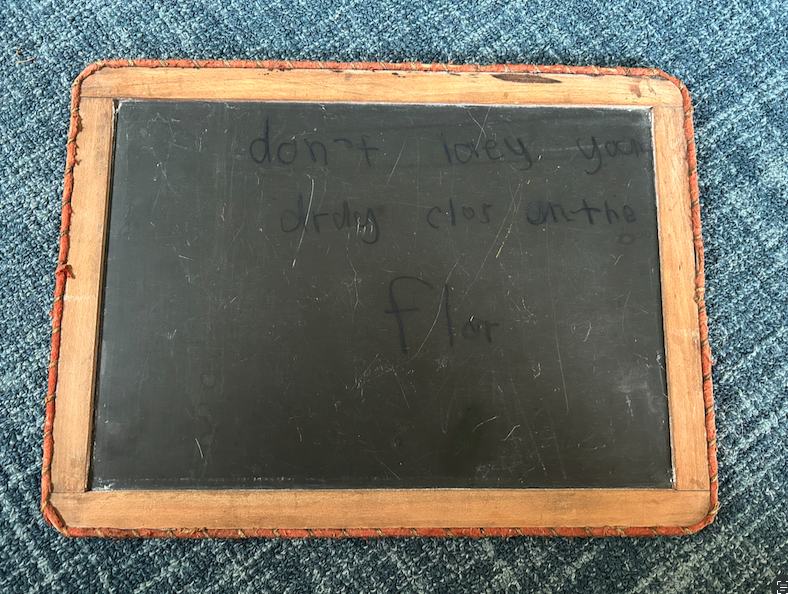
    • Think how light and refreshed you’ll feel when you have less stuff. Less to take care of. A clean slate. (Who the heck even knows what a slate is? Well OK, I do. It’s a personal chalkboard students did schoolwork on. I have one in my office closet that belonged to my grandfather. I’m not even that attached to it. Would a history museum want this artifact? Probably not, since my brother crayoned on it.)

    The decisions and matchmaking are what short circuit the urge to purge. 

    Neighborhood Buy Nothing groups make it easier. You feel good about the matchmaking. The groups are well suited to offloading housewares and furnishings you no longer use. When we got a king bed, someone wanted our queen size mattress and bed frame. All I had to do was snap a photo and post the items. The neighbor who wants your stuff picks it up. No more loading up the car for a trip to Goodwill and driving bags and boxes around for weeks until you do the drop-off. No more staging a tedious garage sale only to find you still have to dispose of what didn’t sell.

    Local Buy Nothing groups do a brisk trade in kids’ clothing, toys and equipment. I recently acquired a second booster seat for family dinners and I often scan posts for age-appropriate toys. My granddaughters’ wardrobes are supplemented with barely-worn-before-they’re-outgrown clothes and shoes from active Buy Nothing groups. The amount and quality of free stuff is astonishing. 

    People of my generation used to take things to Goodwill or similar charitable organizations. Sometimes I still do—mostly clothes. Recently, an energetic friend’s clean sweep inspired me to pack up a load of clothes and old purses I don’t use. Won’t use. I do feel a bit virtuous. 

    But right now, I’d like to purge any additional demands to declutter. Unload all those reminders and the associated guilt. It’s yet another thing that would be good for me . . . that I don’t feel like doing. Besides, the slate doesn’t take up much room in my closet.

  • Mom’s Afghan

    Mom had a soft ivory afghan her cousin Kathleen, my godmother, crocheted. When they were younger, Mom and Kathleen were close. They didn’t see each other as often when they got older, but that connection remained. The afghan is made of intricate lacy stitches and generously sized so your feet and shoulder and hip will still be covered if you turn over. It’s a work of art and a gift of love.

    But Mom rarely used it. She cherished Kathleen’s beautiful handiwork and wanted to preserve it. It was too good for every day. Instead, when she napped on the sofa—I’m just going to close my eyes for 20 minutes—she used the one Aunt Bertie crocheted, which was skimpier and had scratchy yarn. 

    When did Mom start taking naps? In her 60s? 70s? My age? 

    Now I assume she napped when didn’t she sleep well at night. But my younger self just took Mom’s naps for granted. I never asked or even wondered what kept her from sleep.  

    After Mom died, her afghan from Kathleen came to me.

    This morning I woke up predawn. Hot. Restless. My brain whirring with stray busy thoughts. I moved downstairs to the sofa and pulled the afghan from Kathleen over me in hopes I’d be lulled to sleep. I wasn’t. But on the day after Mother’s Day, the memory of Mom and my godmother covered me like a blessing.

  • Easter Traditions Evolve

    A recent conversation with several friends who are also lapsed Catholics got me thinking about Easter’s significance in my life. Why do I still celebrate it when I no longer attend Mass? 

    Ties to my childhood faith remain, although they have thinned and frayed. I’m at a loss to explain why I still feel that religious tug, but I do. 

    Some of the symbols associated with Easter have an even stronger pull: the natural world coming back to life in spring, daffodil and tulip bulbs blooming after lying dormant for months, and eggs representing new life. The idea of yearly rebirth and renewal resonates with me.

    Maintaining an Easter tradition also matters to me, because it ties my small family to past generations.

    Even though much of Easter’s religious meaning has faded for me, I feel a connection to my heritage and to the natural world. This Sunday my family will gather, eat a more elaborate meal than usual, and I’ll add a bouquet of spring flowers to the table. I won’t wear special Easter clothes

    but our grandchildren might—mostly because it’s fun for their mothers to buy cute outfits. My granddaughters are too young to understand the idea of gathering pretty dyed eggs, so they’ll get small toys, and only the adults will get candy eggs.

    Our celebration is not all past generations would have done, but it’s right for me.