Category: Perspective

  • What I Didn’t See Coming 10 Years Ago

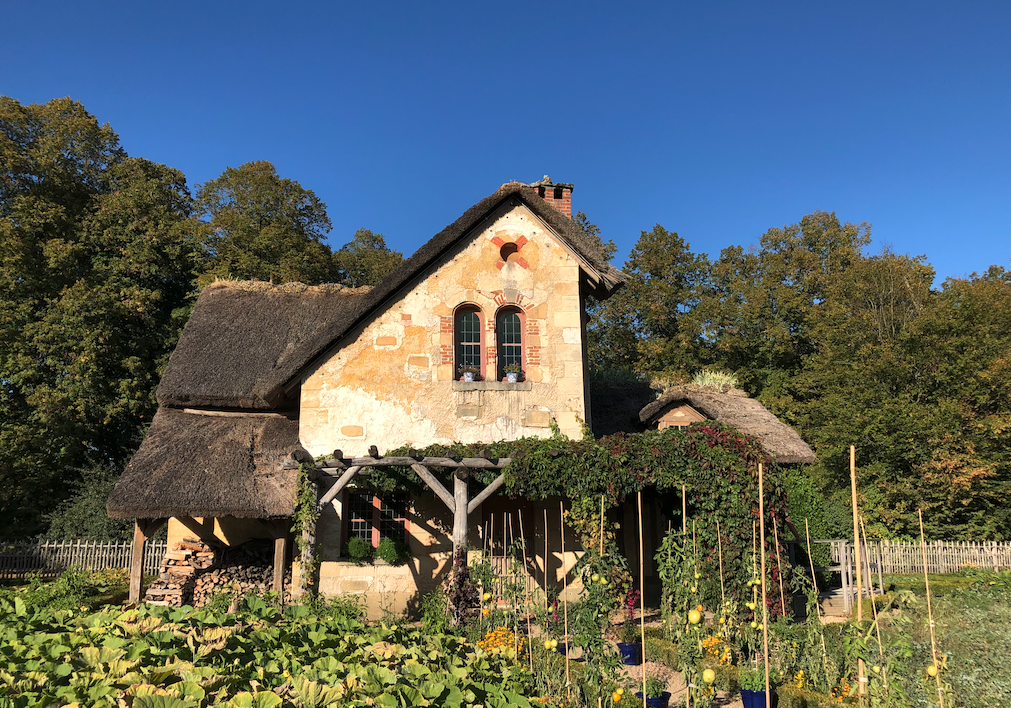
    Marveling at Marie Antionette’s crazy little cottage at Versailles. Dancing to Aretha Franklin with my youngest son at his backyard wedding reception. Collaborating with my husband on creative projects like the bed frame he crafted and the quilt I designed. Sharing a Thanksgiving feast with family at the home of my oldest son and his wife. Spending summer mornings reading and writing on the porch. Enjoying hugs and giggles with my granddaughters. That’s what I hoped retirement would look like when I gave up paid work 10 years ago, and often it has. 
    When the chance to launch this phase came at 61, I eagerly jumped even though my career as a marketing communications copywriter and occasional college writing instructor had meant a lot to me. I’d come of age when women in those roles weren’t a given, and I’d made sacrifices to find my place in that world. 

    I expected my identity would evolve and be redefined by retirement—sometimes by me, more often by strangers who are dismissive of retirees. I rejected their stereotypes and for a time, when people casually asked at parties, “What do you do?” I answered, “I’m a writer.” Accurate, but incomplete. Now I don’t bother with that artifice. I know I’m a badass. Whether others see it or not is irrelevant.

    Since retiring, my personal life has developed in predictable and happy ways. We welcomed daughters-in-law, and they and our sons bought houses and had children. We’ve loved being part of those changes. What I didn’t see coming was Trump in 2016, COVID and George Floyd’s killing in 2020, and Trump again. 

    Today the world beyond my personal circle feels dramatically different than it did in 2015. There were problems aplenty then, but the government was still functional. This year DOGE slashed congressionally-approved funding for federal services including national parks, FEMA, NIH, USAID, and more. The executive branch disregards constitutional rights and federal laws without consequence. I could continue with my list of troubling changes, but I won’t depress you with it.

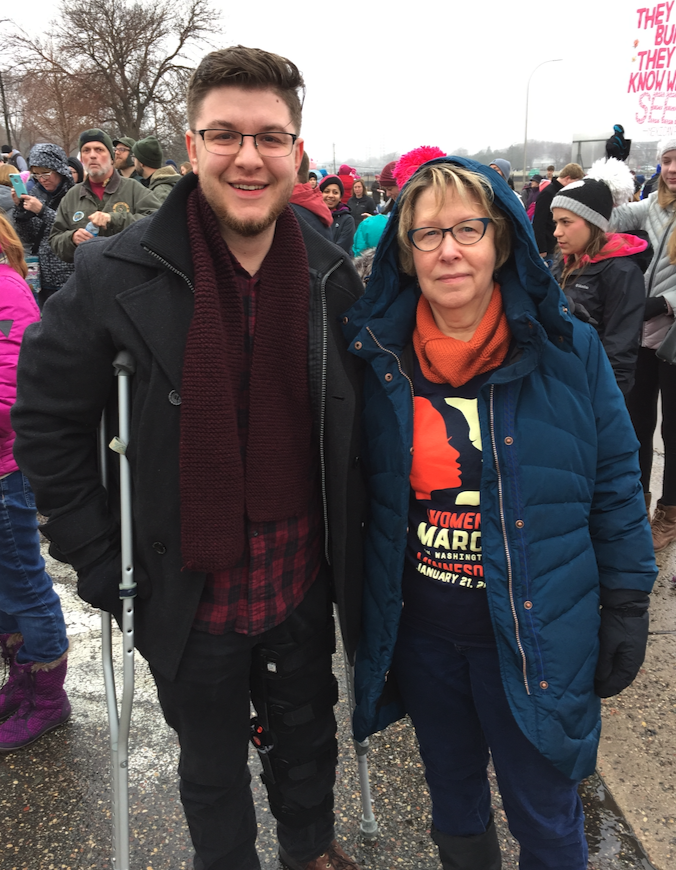
    In the past decade I’ve become more politically aware. More outraged. More impassioned. I began taking part in protest marches—something I never imagined doing. The whole idea sounded scary. Nonetheless, in 2017 I marched alongside my husband and our youngest son, who joined us despite being on crutches while recovering from a traumatic bike accident. Seeing so many like-minded people in the streets was heartening. Since then I’ve continued participating in marches, selectively. 
    I recognize the limits of protests, but it’s important to me to show up. I also began writing actual letters and emails to political leaders (vs. the forms political organizations provide). I doubt either effort does much good, but I hope the sheer size of the protests will get through to politicians. I have to do something. This isn’t the world I want. This isn’t what the United States is meant to be.

    I anticipate during the next 10 years of retirement, my personal life will evolve even further in expected ways. 

    But I fervently hope the political pendulum swings back from this destructive trajectory and re-centers on sanity, decency, and a functioning democracy.
  • Freestyle Boulevards

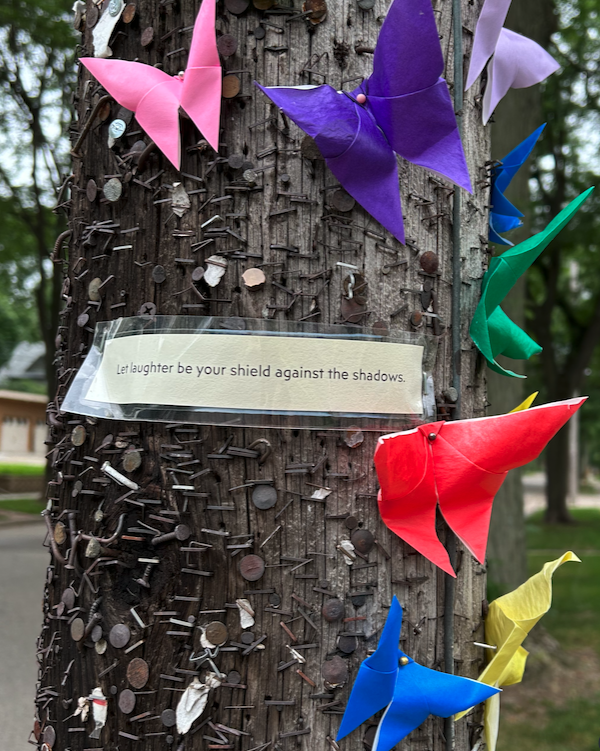
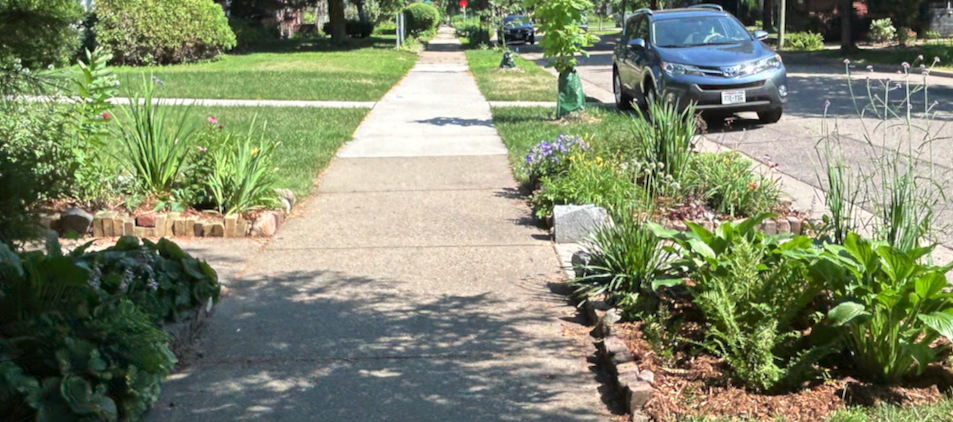
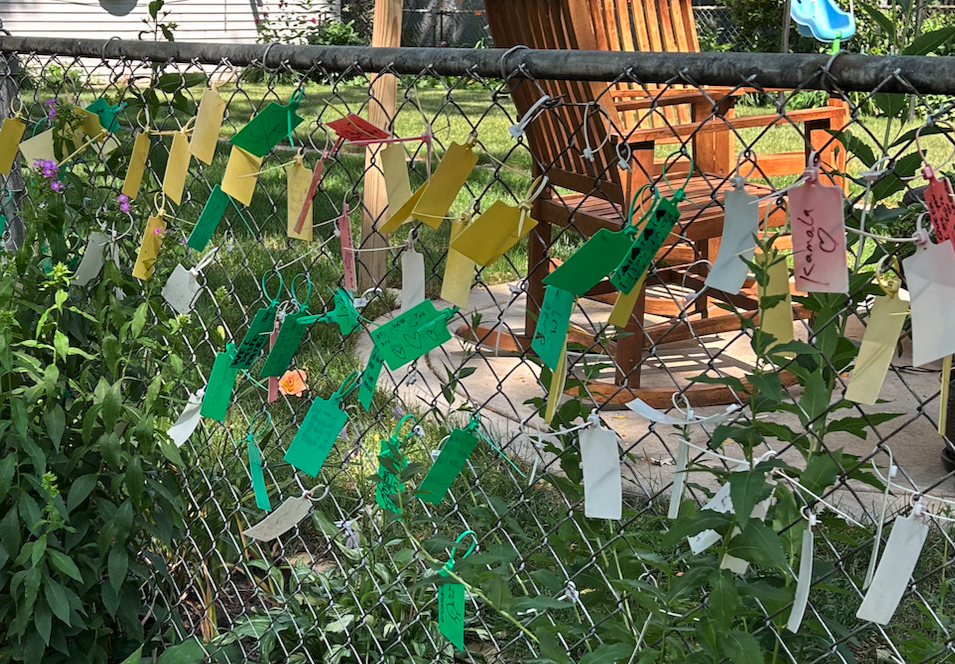
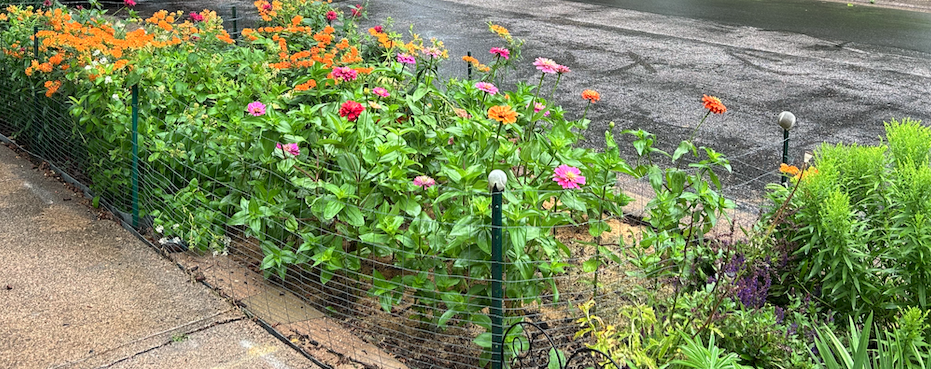
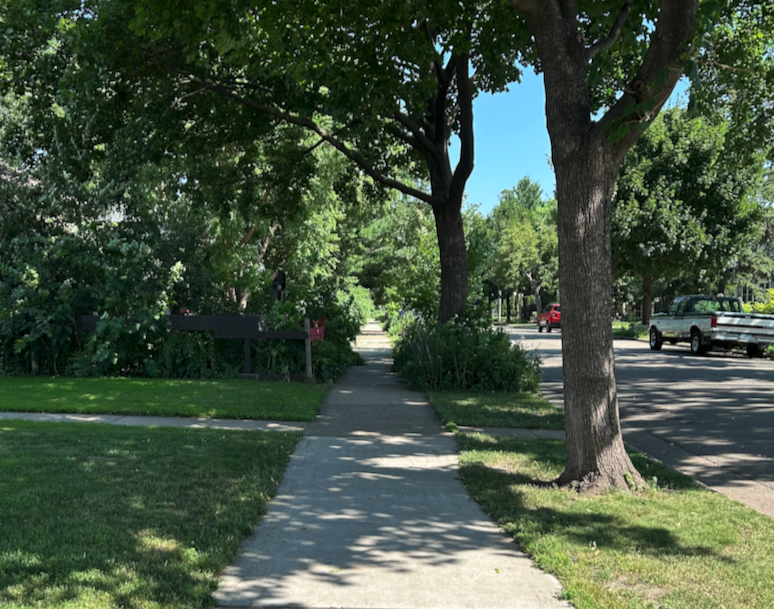
    On summer mornings, I walk early. Sun filters through shade trees and the humid air is soft. A light breeze stirs as I circle the neighborhood enjoying the assortment of landscaping styles. In Minneapolis, the boulevard next to the street is often the focus for self-expression. 

    Tidy mown boulevards are uncommon

    With native plants, nature takes its course 

    An offering of gentle inspiration

    When it comes to gardens, more is more

    Lost the plot—sometimes the vision gives way to busy reality

    Bone box—a welcoming community

    Nature put it there and Nature can take it away (because I’m not gonna)

    Fostering connection

    Be how you are

  • Scheduled vs. Spontaneous Phone Calls

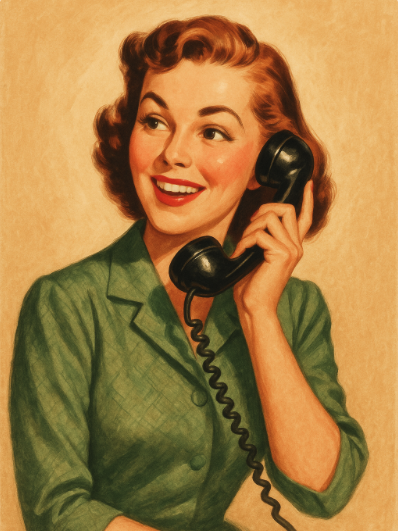
    A spontaneous phone call from with a close friend or family member is a nice surprise. Depending on who it is, we might chat about upcoming plans, air out concerns (kids, siblings, work, the country), discuss a plant I’m excited about, describe a meal that turned out way better than expected, or grumble about how hard it is to find shoes that fit. 

    After a good talk, I feel closer to the person and buoyed by our connection. I think the habit developed years ago when I lived 16 hours away from family and friends. Then the calls nourished and re-centered me. They were the logical extension to my in-person conversations—I definitely got the Shriner talk gene.

    Recently, a few friends and family members have started asking to schedule a time to talk instead of trying our luck. That surprised me, since I like spontaneity. For some people, it’s a way of saying our conversation is important—let’s make sure we don’t miss each other. For others, it’s about being in different time zones. Fair enough.

    But here’s the thing—I’ve also discovered unscheduled phone calls can irritate some people or make them anxious. There are varied reasons for this:

    – Some rely on texting for casual chatting. A call signals trouble (Uh oh, what’s the matter?) Yikes! That never occurred to me since I prefer a call to a text. Calling offers nuance. Sarcasm, sympathy, irritation, worry, and amusement are easy to convey in a person’s tone of voice, but with texting, emojis have to do the heavy lifting of communicating emotional content. 

    – A spontaneous phone call may seem intrusive. Well, it can be. If I’m making dinner, working in the yard, or on a walk with my husband, I might not want to be interrupted. Then I let voicemail signal, “Not now.” If I make an impromptu call, I never assume the recipient has time to chat. I always ask if my call is convenient. If not, no worries! We’ll connect another time.

    – Texting to request a call time is now seen as more polite. The recipient will be spared the potential awkwardness or discomfort of saying, “Now isn’t a good time.” It took me a while to wrap my head around that idea, since I’m comfortable telling a caller I can’t talk if I’m in the middle of something. Or I just let the call go to voicemail. Apparently, that reaction isn’t universal.

    Scheduled vs. spontaneous phone calls? It seems to be a stylistic difference, maybe even a generational one. I have my preferences, but the goal is to connect, so I want to be sensitive to others’ needs and adjust if it improves our communication.  

    But if you’re thinking of me, just give me a call! I’ll let you know if I can’t talk.