Last week, I traveled back in time while driving to Ohio to visit my sister, brothers, and their families. The 12-hour road trip called for lots of tunes, and I found myself craving oldies that I could sing along to, even though I don’t usually like the oldies stations when I’m in Minneapolis.
“Reeling in the Years” by Steely Dan sent me back to college, when I hung out with my wild boyfriend, partied with his buddies, and took midnight dips in borrow ponds on hot summer nights.
The Fifth Dimension brought back high school and sleepovers in a girlfriend’s basement rec room. We danced to the “Wedding Bell Blues” and sang it at the top of our lungs. At 14, we yearned for love and passion, but for most of us, that was still a ways off.
As I drove through the neighborhood where I grew up, Roy Orbison’s “Pretty Woman” took me back to my best friend’s pool and her mother snapping off the radio when she heard his sexy growl. She thought it was unsuitable for our 10-year-old ears.
Several times I got lost while bumping along Toledo’s crumbly blacktop roads that are scribbled with tar. I’m no longer as sure of my way around—I’ve been gone 30 years—longer than I lived there.
But inside my sibling’s homes I found myself. I became the middle sister again, the one who loves Bruce Springsteen like my sister and the Beatles and Creedence Clearwater Revival like my brothers.
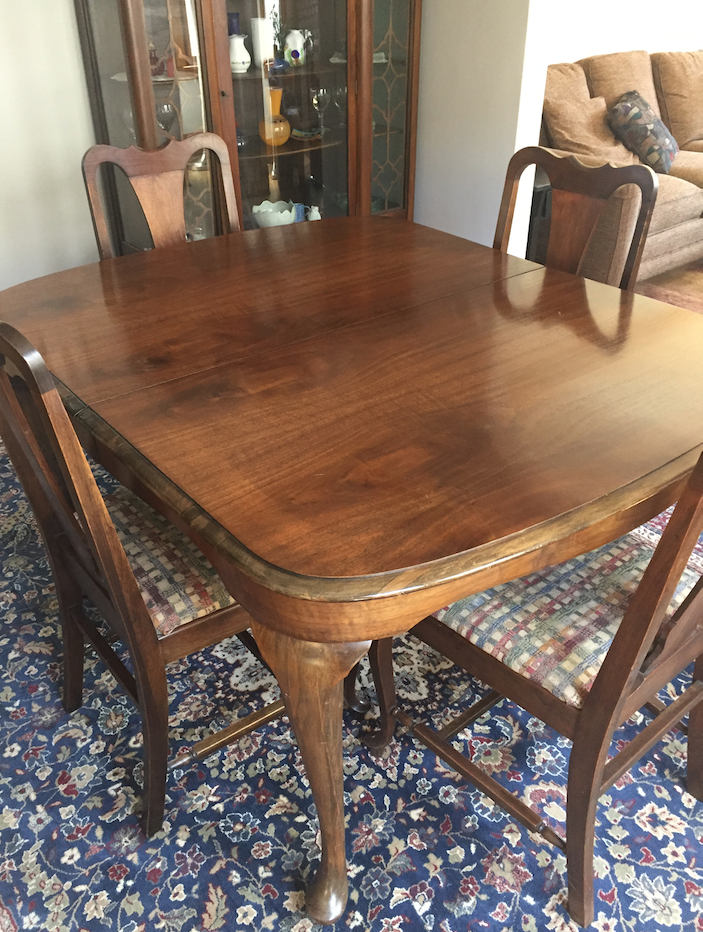
Recently, when I served dessert to women friends around my grandmother’s dining room table, we described our uneasy relationship with the objects the women of our families treasured.
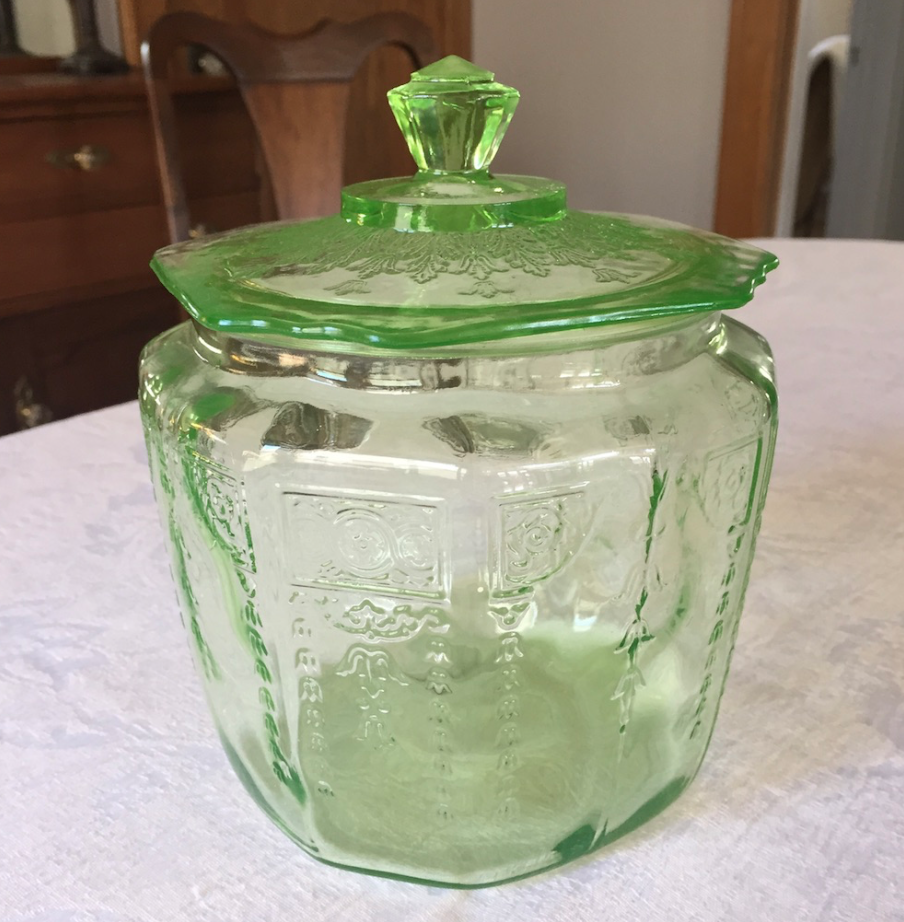
Now when we have homemade cookies, we store them in Mimmie Shriner’s Depression glass instead of saving it for good.
Women of the Greatest Generation, like my mother, cared about “good” china, crystal, and real silverware. They hoped to get full sets of it as wedding presents, and they cherished their mother’s and grandmother’s things. For them, the hope chest tradition was alive and well. They collected china and linens before they married and instilled that value in my Baby Boom friends and me. But our Millennial kids don’t want to fuss with handwashing goblets or ironing tablecloths. Not that I blame them. I don’t either. Nonetheless, my friends and I are distressed about what to do with the tableware and linens we’ve inherited. Let alone the quilts, furniture, and photographs.
We were brought up to value them, but the tableware really doesn’t make much sense in our lives. Where do you keep it between holidays? Wouldn’t holiday meals be less work if all your dishes could go in the dishwasher? And yet, this stuff mattered so much to our mothers. How can we just donate it to charity? But people do—Goodwill is full of 12-piece place settings with dainty floral borders. I’ve seen Waterford crystal goblets there too.
Mimmie Shriner’s table where she served her out-of-work relatives on Sundays during the Depression
I’m becoming reconciled to the half-life of memories. When my siblings, first cousins, and I—the last people to remember Mimmie Shriner or Grandma Pleitz—are gone, my grandmothers will become “ancestors” instead of the vivid people they are in my head. Mimmie’s dining room table will just be an antique table, and Grandma Pleitz’s crystal goblets will just be wine glasses. Their significance is in my memories; my sons and any future daughters-in-law don’t have those associations—they never knew my grandmothers.
Many evenings, I sip wine from one of Grandma Pleitz’s eight goblets.
Yet the objects are a visible reminder of past generations—hardworking, loving women who wanted pretty things in their lives. How can I honor the memory of these women without feeling burdened by their stuff? One way I’ve chosen is to use the good crystal and china even if it isn’t a holiday. When it chips or breaks, I throw it out. That way my grandmothers come to mind and are more present in my life. If their tablecloths get shrunk or stained—so be it. At least they got used and enjoyed. Likewise, I honor my grandmothers by keeping a few things I really like so I can look at them often. Finally, I remind myself that heritage doesn’t reside in the objects alone. It’s also passed down through our family’s recipes, traditions, stories, and values.
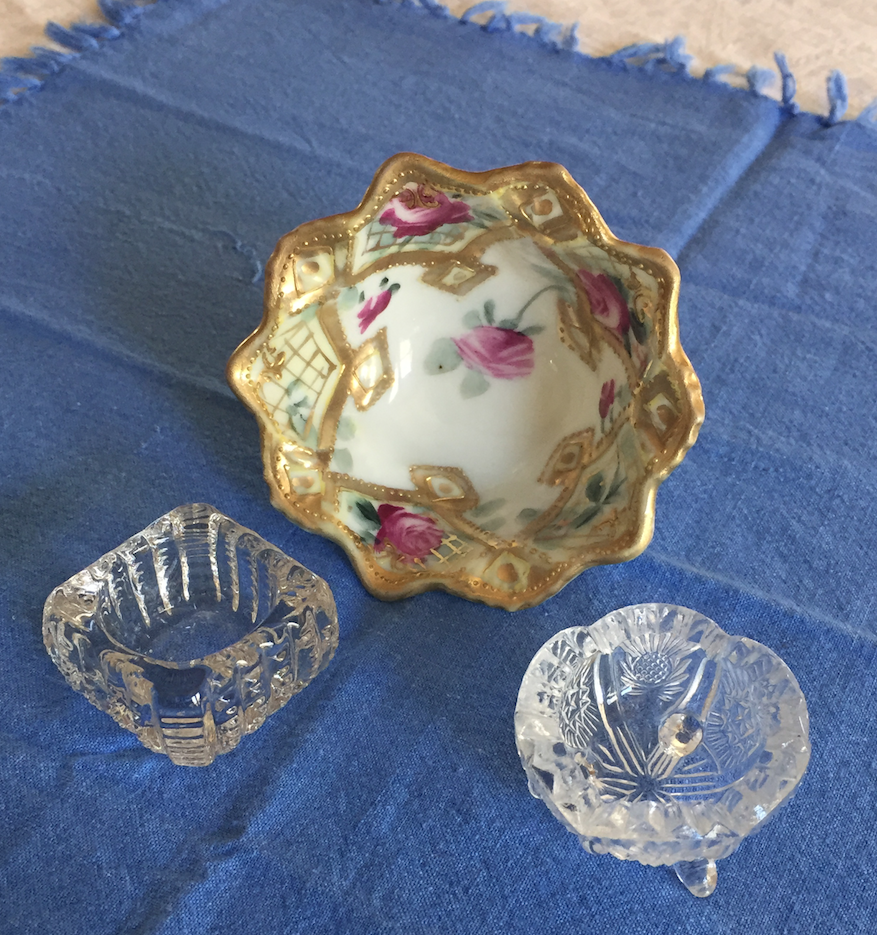
Mimmie put hairpins in this small handpainted dish. I never put salt Grandma Pletiz’s salt cellars, but I still like them.
I accept that my sons and future daughters-in-law may not care about my stuff—whether inherited or chosen during 30+ years of marriage. If they do, they will have different memories than mine. I hope they only keep what they care about.
For me, 2017 has been filled with genuine worry over the direction of our country. But when I think harder about the year, I realize that political angst has dominated my assessment. And that’s just one aspect. One that I’ve allowed to overshadow the many good things that occurred in 2017. So I want to consciously recall some joyful moments.
Women’s March – St. Paul
January – Women’s March in St. Paul
I marched with my husband, son, and 100,000 others. I was so proud of Greg who was on crutches and still in a leg brace, but determined to be there. I felt hopeful knowing that I was among the thousands of cheering, singing people who share my values. We still have power. It may take a while, but we can create change.
Cooled lava lake on Big Island of Hawai
February – Big Island of Hawaii
I was fascinated by the Kilauea Volcano and how alive the earth is beneath us. The volcano was erupting not far from this cooled lava lake. Even though most of it looks like a moonscape, within decades, nature will assert herself and vegetation will grow just as it has in the surrounding hillside.
March – Pottery Class
Years ago I was a passable potter. In March, I took a class to see if I could reclaim my skills. I’m pleased with these pieces, but I still have a lot to learn/remember.
March of Science – St. Paul
April – March for Science
It was so energizing to be among 20,000 others who were also distressed by the Trump administration’s refusal acknowledge climate change or participate in global accords.
Youngest niece’s high school graduation
May – Youngest Niece’s High School Graduation
I returned to my alma mater in Ohio to cheer my youngest niece, who graduated with honors and a full scholarship. She is accompanied by her accomplished sisters. I’m proud of all of them.
ShrinerFest 2017
June – ShrinerFest 2017
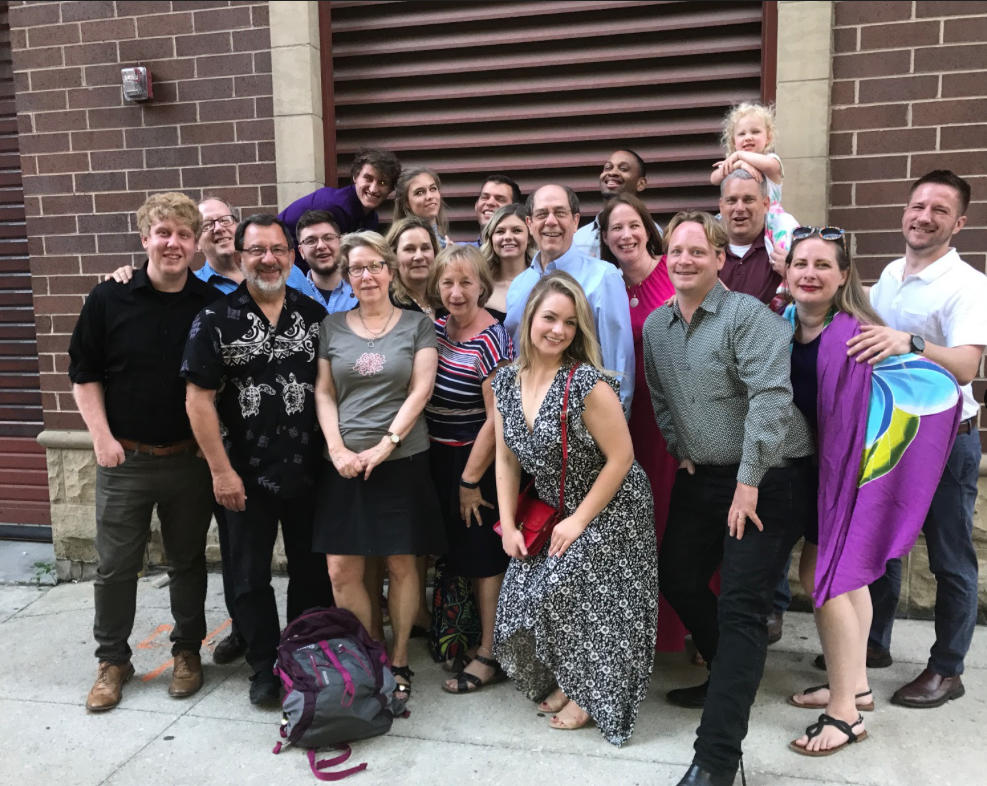
My siblings and I recently began this tradition to keep in touch with family members who are scattered around the Midwest. We converge in Chicago for a summer weekend.
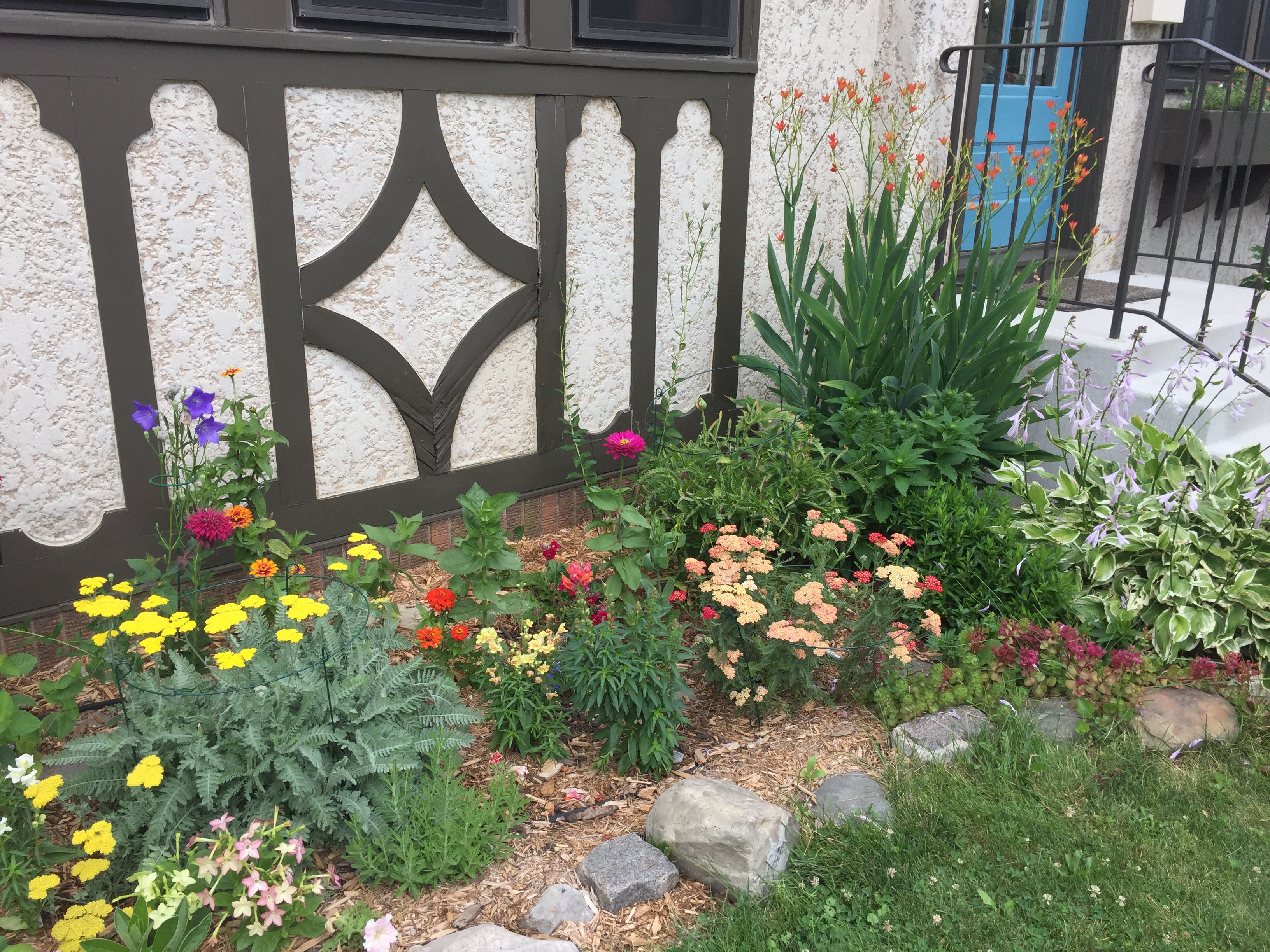
It’s no secret that I love flowers and gardening.
July – Garden in Full Bloom
Annual zinnias, snapdragons and nicotiana are mixed with perennial yarrow, bee balm, balloon flower, and blackberry lily.
August – Rockin’ with The Patience Band
My husband (on left) jammin’ with a bandmate at a summer performance.
Hancock Shaker Village
September – Hancock Shaker Village
Our trip to the Hudson River Valley in New York included visits to many historic mansions, art galleries, and epic gardens. The Shaker Village, so different from the opulent homes we saw, was fascinating and appealing, but just as removed from my real life as the Rockefeller mansion.
October – New great niece (not pictured)
Our family welcomed a new niece in late October. I figure now that I have two great nieces, I qualify as a really great aunt!
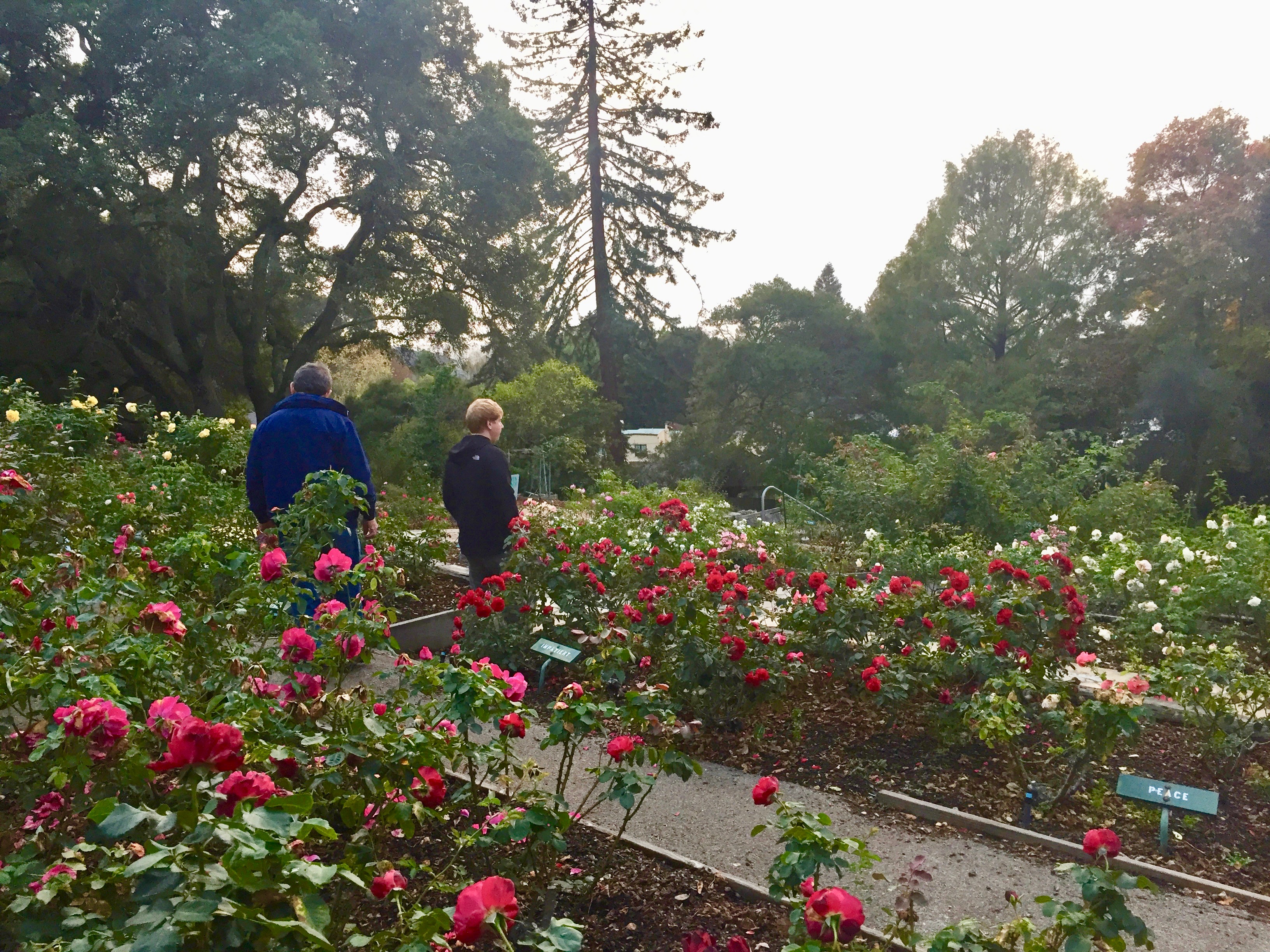
Berkeley Rose Garden block from my son’s apartment
November – Berkeley Visit
We visited the Berkeley Rose Garden (Wait, what? Roses blooming in November?!?) just blocks from my oldest son’s apartment. As we climbed the hills, the air was sweet with eucalyptus.
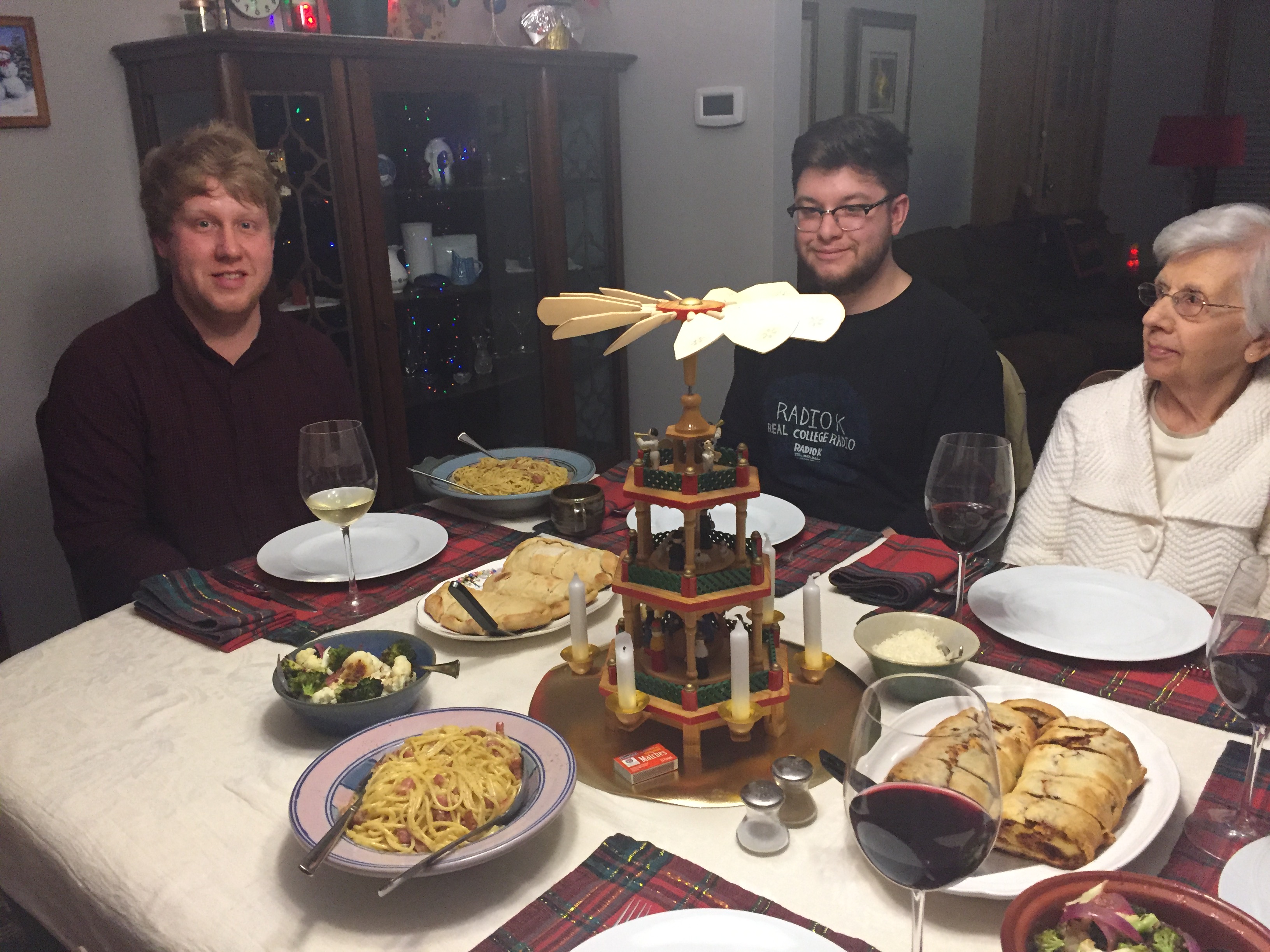
December – Italian feast on Christmas Eve
This is turning into a tradition. Our sons request (no, insist) that we make calzones, fagotch, and some other Italian dish. This year it was Mike’s carbonara made with the pancetta Greg cured. Dee-licious!
 Last week, I traveled back in time while driving to Ohio to visit my sister, brothers, and their families. The 12-hour road trip called for lots of tunes, and I found myself craving oldies that I could sing along to, even though I don’t usually like the oldies stations when I’m in Minneapolis.