Writing this blog has become second nature. Every other week, we mine our lives and distill our observations into posts. As writers by calling, we take pleasure in the discipline of writing, but connecting with you is even more rewarding.
I remain astonished by the power of the Internet to bring people together. Today, WordSisters has—
More than 500 followers
6,100 views—it knocks me out to see that people from all over the globe—South Africa, Poland, and even Kazakhstan—are checking out our blog.
More views originate from the countries that have darker colors.
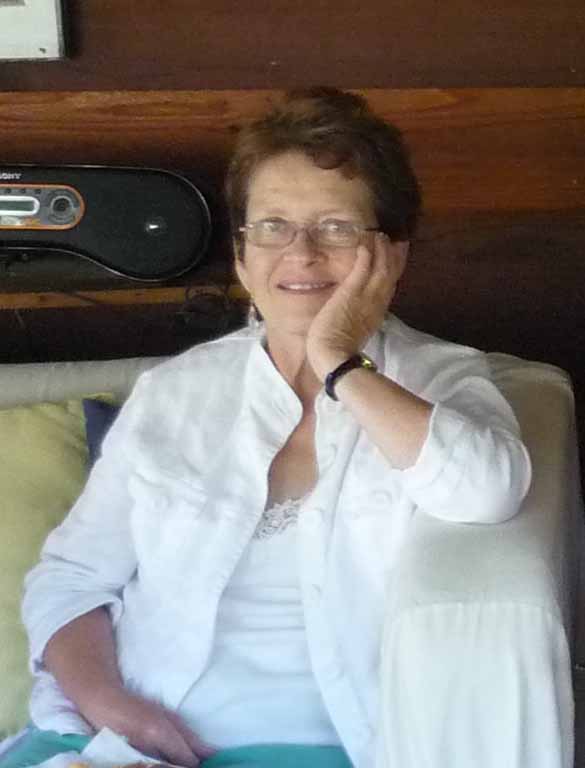
More than a dozen years ago, Lisa Taylor Lake founded the writers group that eventually gave rise to WordSisters. Lisa’s original inspiration was that we could provide vital insight and feedback to each other. Over the years, the group grew to be so much more—mentors, cheerleaders, and true wordsisters. In spring 2012, Lisa died of cancer and this March, we are honoring her with two blogs—this one and one in a few weeks. Ellen & Elizabeth
I had belonged to Lisa’s creative nonfiction writers group for years before I learned she also wrote poetry. Inspired by classes she had recently taken, Lisa had created a chapbook of her poems and reserved a cozy room at her church for her first poetry reading.
When she invited our writers group to the reading, she had confessed to nerves, even though she regularly spoke in front of groups for her work in the state health department’s communications office. This was different, she said. This was her poetry. It was personal.
And it was beautiful. As she read, her audience of two dozen listened quietly—until several of us couldn’t suppress an ooh at a particularly lovely line. Silence broken now, as Lisa continued, more of us expressed mmms, oohs, and aahs, and shared appreciative nods and smiles. Our response emboldened Lisa to mention she had planned to end with the poem she had just read, but if we would like, she could read one or two more. When we applauded wildly and said yes, please, more, she stepped back, momentarily overwhelmed, and then she obliged us with pleasure.
Afterward, ever the good hostess, Lisa flitted among us, greeting people, directing us toward refreshments, accepting compliments, her eyes and feet virtually dancing.
Years later, my husband David and I sat at a lacquered pine table in a dark booth while I wondered what I had gotten myself into. An essay of mine had been accepted by a local online literary journal. A local church sponsored the journal and the editors celebrated each issue’s publication with an author reading at the Turf Club bar. Well, not in the bar itself—in the bar’s basement.
Lisa was the first of my friends to arrive, her eyes twinkling as she took in the wood-paneled walls sporting mounted fish and game. She and David ordered beers and discussed the typography of the beer signs and the design of the amateur northwoods landscape paintings that filled gaps among the taxidermy.
As I read, I remember the sensation of all eyes—those of the patrons, the bartender, and the mounted deer—fixed on me as people listened. Afterward, I felt the adrenaline rush of finishing without tripping over words or a microphone cord. Now I understood why Lisa was aflutter after her poetry reading—the lightness of heart that comes from risking and successfully entering new territory.
The last time we heard Lisa read her poetry, she looked artistic and angelic in a full-length turquoise dress that she couldn’t get over buying for herself for the occasion. The skirt flowed around her ankles so that she appeared to float rather than walk. We entered her church again. This time, many more of us filled a larger room that featured a wood-beamed vaulted ceiling and arched stained-glass windows.
Lisa’s writing group, our writing group—Ellen, Elizabeth, Rose, Jill, Brenda, and I—sat together, WordSisters well before Ellen and Elizabeth began this blog. We oohed and aahed over the dress, but moreso over the depth of meaning in her poems and her greater confidence in sharing them with us. We were not the only ones to surreptitiously wipe away tears, and not only as a reaction to her beautiful words.
Lisa could be comfortable in a vaulted spiritual space or in a basement bar decorated with dead animals. Lisa was game. (And as I write that sentence, I can hear her politely questioning whether I’m perhaps overreaching in my attempt at word play.) But she herself wrote in her essay, “Meeting with Royalty” about spending Christmas in England, “I was game for any adventure.”
Lisa took her good manners and tactfulness, her keen observation and sense of story, and her openness to new experiences with her wherever she went. Hiking and writing poetry along her beloved North Shore. Dressed like a tsarina in long underwear, a long wool coat, and a Russian-styled hat to see Britain’s royal family go to church. Tired and angry at a car and a relationship stuck in the mud. Driving with her sister to a family reunion—she wrote that they were “two gals pushing sixty in a rented red convertible that was pushing seventy.”
I hope Lisa pardons my paraphrase of that essay’s opening sentence, but it’s one of my favorite images from her stories: red-headed Lisa holding onto a broad-brimmed hat to protect her fair complexion, ever practical, yet speeding along joyfully with someone she loves, whether she was traveling on well-trod or unfamiliar turf.
More than 30 years ago, a good friend and I regularly launched what we mockingly called our “10-Point Plan for Happiness.” Our plans always included these steps: Quit going to the bars so much, especially during the week. Stop dating losers. Work out more. No more French fries/potato chips/chocolate or whatever indulgence was tempting us that week. Oh yeah, and save more money. But over the years, I’ve shortened up the list.
Even as my friend and I made those resolutions, we knew we were likely to backslide.
But there’s something very appealing about setting goals and having a plan—it helped me feel in control of my life. Setting goals is the means to accomplishing something and the counterpoint to daydreaming, but never doing. If I just follow these simple steps, I can make my life better—who wouldn’t want that?
Believing change is possible is ingrained in the American psyche. The lure of possibility is undeniable. If you’re fat and out of shape you can be transformed, especially if you win a chance to be on The Biggest Loser. If you’re clueless about clothes and your personal appearance, Stacy and Clinton can reform you on What Not to Wear. If you’re a philandering politician, you can humble yourself, ask your spouse and voters to forgive you and after some time has passed, you can be re-elected like U.S. representative Mark Sanford (ex-governor of South Carolina).
I believe real change is possible, but it isn’t fast or easy—it takes a lot more effort than making lists as I did in my 20’s or a going on a whirlwind clothes-buying spree. The people I’ve known who have reinvented themselves worked hard at it for years.
Sometimes my life feels like it’s one big Continuous Quality Improvement project. But as I’ve gotten older, I’ve realized that the changes I need to undertake are refinements, not sweeping transformations. So I try to be a better writer, and I tinker with how to squeeze in more time for projects I enjoy, travel, family, friends, and fun. That focus has made my life richer and more fulfilled.
I no longer believe that I’m capable of making major improvements to myself . . . or that I even need to. That’s not smug self-satisfaction, but another way of saying I’m learning to accept my flaws. I’ll keep trying to think before I speak. I’ll also try not to offer advice unless asked. However, I know I’m going to backslide sometimes, and even though I’ll fall short on those goals (and others), I’m still basically OK.
If the goal is happiness, perfection is not required . . . or even useful. So my current Plan for Happiness has a mere three points:
Be kinder to myself— accept and forgive my shortcomings.
Continue to focus on being healthy (food, exercise, stress management), but don’t fret too much about any of those items.
Continue to spend more time doing what I love, less on what I don’t.