Category: cultural shift

  • Mental Whiplash

    On February 19th, the snow was deep in our yard, and our alley was so rutted with thick ice that my car was forced to follow the deep track. Before my husband and I left for our three-week snowbird experiment in the Southwest, life seemed relatively predictable.

    We are keenly interested in politics, so the Democratic primary in South Carolina on February 25 and Super Tuesday on March 3 (which included Minnesota) were on our minds. We voted before we left town.

    We speculated about the outcomes as we hiked in the California desert among shaggy palms, Joshua trees, and giant boulders that are tumbled like toys in the foothills.

    Less than 48 hours before Super Tuesday, the trailing presidential candidates ended their runs abruptly. Although the departures were inevitable, the timing was startling. The consolidation of candidates meant that my early vote was irrelevant. Like many, we were astonished by Joe Biden’s surge. When Elizabeth Warren exited a few days later, I was sad that there were no women candidates. The political landscape had changed dramatically, and the rapid change was jangling. However, COVID-19 felt remote.

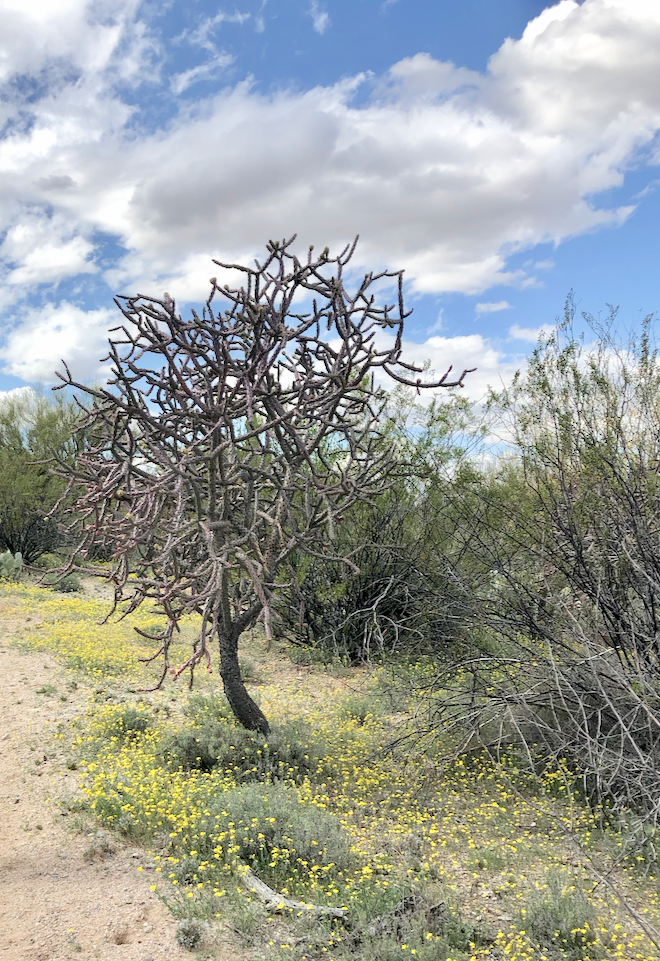
    In Tucson, our next destination, the desert was blooming. Clumps of yellow desert marigold dotted the hills that bristled with saguaro cactus. The sunny warmth of Sabino Canyon’s trails soothed me.
    During the first week of March, concerns about COVID-19 came to the forefront for us. This was new terrain. Until then, sensible precautions seemed enough; our life hadn’t been disrupted. With each subsequent day, our understanding of the COVID-19 crisis increased as updates poured in faster than we could absorb them.

    The Grand Princess cruise ship, which carried passengers ill with COVID-19, docked in Oakland. We worried about our son and his significant other, a physician in Oakland, who would be on the front lines.
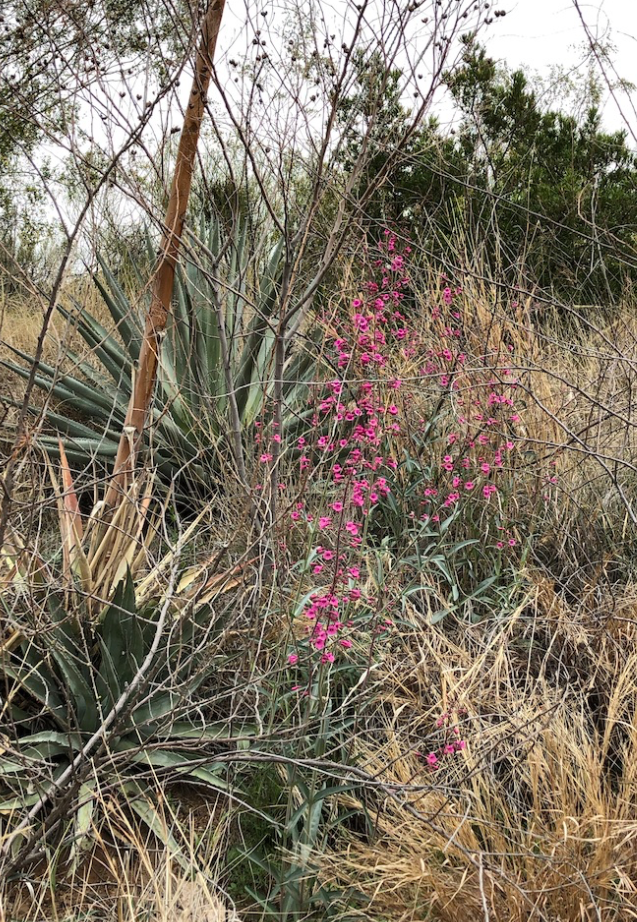
    The sky was overcast but the temps were still warm as we walked trails alongside the broad dry Rillito riverbed. I noticed spikes of pink penstemon, but our conversations centered around the looming pandemic and the conflicting national response. We worried about restrictions on flights from Europe where our niece was studying abroad and the pandemic’s impact on the economy.

    By the time we flew home, the landscape was changing hourly with updates about cases and the CDC and NIH’s latest guidance. On our first day back, the president declared the overdue National Emergency. Comprehending the impact of the cascade of closings and event cancellations was hard. Is hard.

    The pandemic is uncharted territory. Only a week ago, I wondered if I’d be able to fly to Chicago later this month for a wedding shower. Several days ago, meetings with my writer’s group and book group seemed possible. We’ve ruled out travel, in-person visits, and ordinary errands to help “flatten the curve.” The daily, even hourly, changes are like mental whiplash. No school. OK. Restaurants and stores with limited service. OK. Stay home. Got it.

    March 18th. In the space of a month, so much has changed. The world looks very different. Socializing in person has been postponed. I no longer assume my travel plans for May and July will happen. We’ll see. We’re figuring it out, day by day, case by case, just like everyone else.

    Screen Shot 2020-03-18 at 10.56.42 AM            Screen Shot 2020-03-18 at 11.01.46 AM


    At the moment, we’re healthy. The snow in our yard is nearly gone, and the alley is ice-free and dry. As I circle the yard, I note the early tulips and weeds pushing up in my gardens as they always have. Though much is unknown and I’m seeing the world with a new perspective, spring is coming, and for that, I’m grateful.



  • The Kids aren’t Here

    Our family includes many teachers, most in public school. Our kids have attended public schools, parochial schools, private schools, been homeschooled. Homework and talking about school happens at the kitchen table, in the car, while raking leaves.

    It was a surprise that a school system where I have volunteered is struggling with absenteeism of 32 to 50 percent . And that reflects the national pattern of over 8 million U.S. students missing nearly a month of school each year. At this rural school there is poverty, students are widely disbursed, transportation options are limited. There are stories about kids needed at home to help care for siblings or other family members. Anxiety or bullying issues make attendance difficult.

    In general, some parents feel schools don’t meet their kids’ needs. Some parents find the public education system to be monolithic in protecting traditional, seats in the chairs methods when other models exist. A teacher I respect told me that the process of pushing bright, unorthodox kids to adjust to rules that are necessary for control in classrooms of 28 students is sad, but ultimately prepares everyone for living in the real world.

    School representatives cite anecdotal reasons for kids’ absenteeism. There may not be a ride available if a bus is missed. A doctor’s appointment can be an hour drive from school. Parents don’t feel their kids miss much if they stay home. The family needs to be away to care for relatives. A child is needed to care for younger or older relatives. The parents plan an extended vacation. Some claim to intermittently homeschool. A child is being bullied and administration is not responsive. A child suffers from mental health issues with no help during the school day. Travel for extracurricular activities eats up hours. When bad grades start, kids know they’re bound for summer school and give up.

    Across the larger education sector, how does a child miss 30 days of school without prompting a remedial plan? How does a school system support learning in one-third to one-half of their enrolled students who are not present? What do students need to learn today and how is that delivered? So much money and so much policy maintain traditional archetypes when other societal archetypes are adapting or falling aside.

    Schools are not unlike trains running on tracks installed a hundred years ago. There are reasons old rail beds have become hiking and biking trails. Like other social systems, the pathways to completing an education relevant now, and in the future, have changed.  School buildings, curriculum, teacher preparation systems, and teaching methods need dramatic review and overhaul. Fewer test scores, more involvement in the big world.

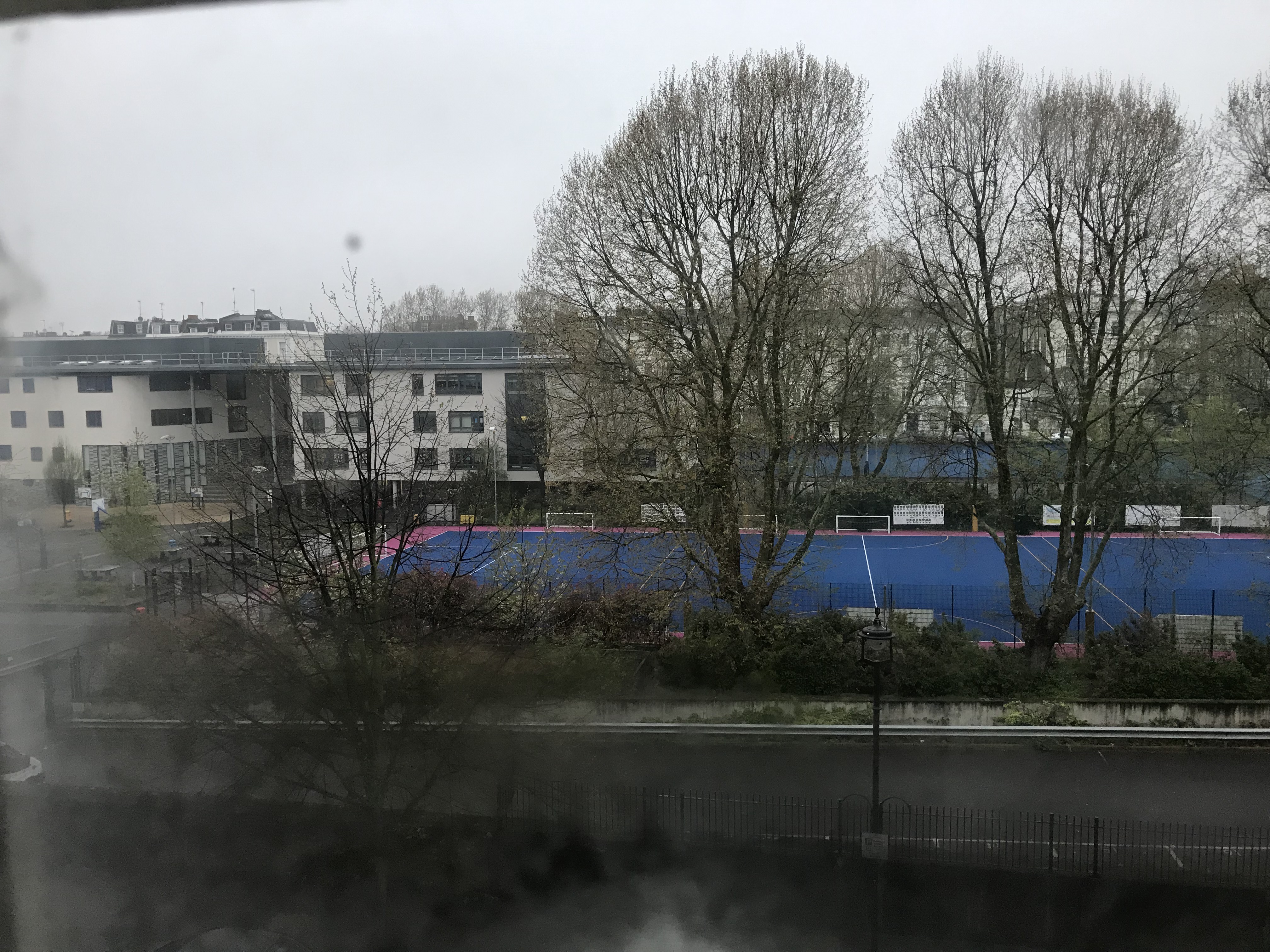
    The question is not where are the kids, but how can we be sure there are good reasons for them to be here?

    IMG_6266

  • A Home for Everybody

    In Door County, Wisconsin privilege, middle income and poverty share zip codes. Average annual income across the area is artificially inflated by a significant population of retired individuals, many with healthy pensions. Average annual median income is under $40,000 reflective of an economy dependent on tourism and agriculture. Thirty to forty percent of school kids  are eligible for free breakfast even with many parents reluctant to apply.Poverty may not be obvious like in disadvantaged city neighborhoods, but signs in gas stations offering free gift cards to those who can’t afford travel for doctor appointments tells the story.

    I grew up in Door County’s neighboring county in a skinny old house on Main Street in one of those farming communities. My father had a good job, my mother worked seasonally. Our grade school didn’t charge for hot lunch. That tells the same story.

    Affordable housing is a pressing issue. On an average annual median income of $40,000 minus expenses like healthcare or a car payment, ideal rent is $600. Traditional calculations for how much house a $40,000 income covers suggests less than $100,000. Good luck finding either of those. Homelessness is not visible, but people do live in buildings never meant to be housing, in trailers without water or power, in crowded apartments with too many roommates, or rotate through campgrounds from May through October.

    At an informational meeting one township presented purchasing a land tract for about $2 million with intention to develop part into affordable housing. In the packed room emotion and fact clashed. A housing builder wanted first dibs on the space promising $340,000 “affordable” units. Neighbors shared what they were promised about the vacant land when they purchased their homes. More than one person asked why affordable housing was taxpayers’ responsibility.

    A social worker and a skilled craftsperson spoke of their inability to find places to live or house their families. One thirty-something white collar professional said he has lived in thirteen places in about ten years, most of them crap holes. His employer often loses employees after they spend months looking for any kind of apartment. He reminded everyone that affordable housing does not only mean home ownership, but also decent apartments. There are jobs to be filled here, but not places to live. Business owners are nervous about being able to keep their doors open.

    Privilege, middle-class, and poverty share this zip code. No telling who in the blue jeans and t-shirt crowd shared a two bedroom former cottage with five or more people, commuted one hundred fifty miles daily, or lived alone in 3,000 square feet. Dictionary.com defines community as a social group of any size whose members reside in a specific locality, share government, and often have a common cultural and historical heritage. If this township, rooted in European ancestry, cannot accept responsibility for the need to house its members, what is its future?

    For someone whose primary home is in a city with homeless individuals living in tent villages, sleeping on mass transit, or huddled in too few shelters, this feels like a no brainer. Taxes support communities, communities are made of members residing in a specific locality, localities require teachers, shop owners, EMTs, shop workers, builders, children to have a future. And all those people need healthy places to live. This is why we live in community.

    Blog May 2019