Category: behavior change

  • Lazy, Crazy, Days of Summer

    So, this is summer. We all began daydreaming about this time of year during the February/March doldrums. Longer days, more time to bike, read in a comfy outdoor chair, walks with friends or family, cookouts, maybe swim, possibly attend a local festival or even a trip to the state fair or a getaway.  Don’t think about bugs, grass cutting, watering the gardens, traffic, crowds, bored kids, very hot days, house maintenance at your place or a relative’s, ants in the kitchen, work that doesn’t diminish or go away, higher food costs or utility bills. Just roll out the lazy days. Really?

    For each of us with plans for a long weekend, there is a scheduler or boss with post it notes from a few of our peers for the same time off and calendars needing additional worker hours. Caregivers are scrambling to fit in dentist appointments, physicals, and eye tests and all required before the last week of August. And don’t forget finding drivers’ ed if there is an appropriate age kid in the house.

    What is it about our easy-going collective summer fantasy? Planted in our rhythms by school calendars built around agricultural and/or weather limitations centuries ago. Perpetuated by advertisers and businesses. Lots of people work their longest hours in warm weather. For them summer means more bucks to stretch through slow times. Or those extra summer jobs pay for the extra summer expenses. 

    What we share in our summer dreams across many parts of the United States are the simple pleasures of walking outside without a coat or gloves, not slipping on ice, seeing neighbors or friends while casually walking, sitting on a public bench sipping a cup of coffee or slushy. There are flowers to admire, fresh vegetables and fruit available that taste better, sunlight more hours instead of porch and garage lights. After staying inside during sunlight-starved months of cold, this is worth the wait. Wasps, bees, flies, mosquitos and ticks: please give us a break.

  • Chasing Spring

    The youngest member of the extended family is crawling and wanting to walk. His four-year-old sister prefers hitting a softball that is pitched, not set on a tee. The older cousin is closing in on successfully completing her first year of middle school. They are progressing in predictable ways that we all celebrate.

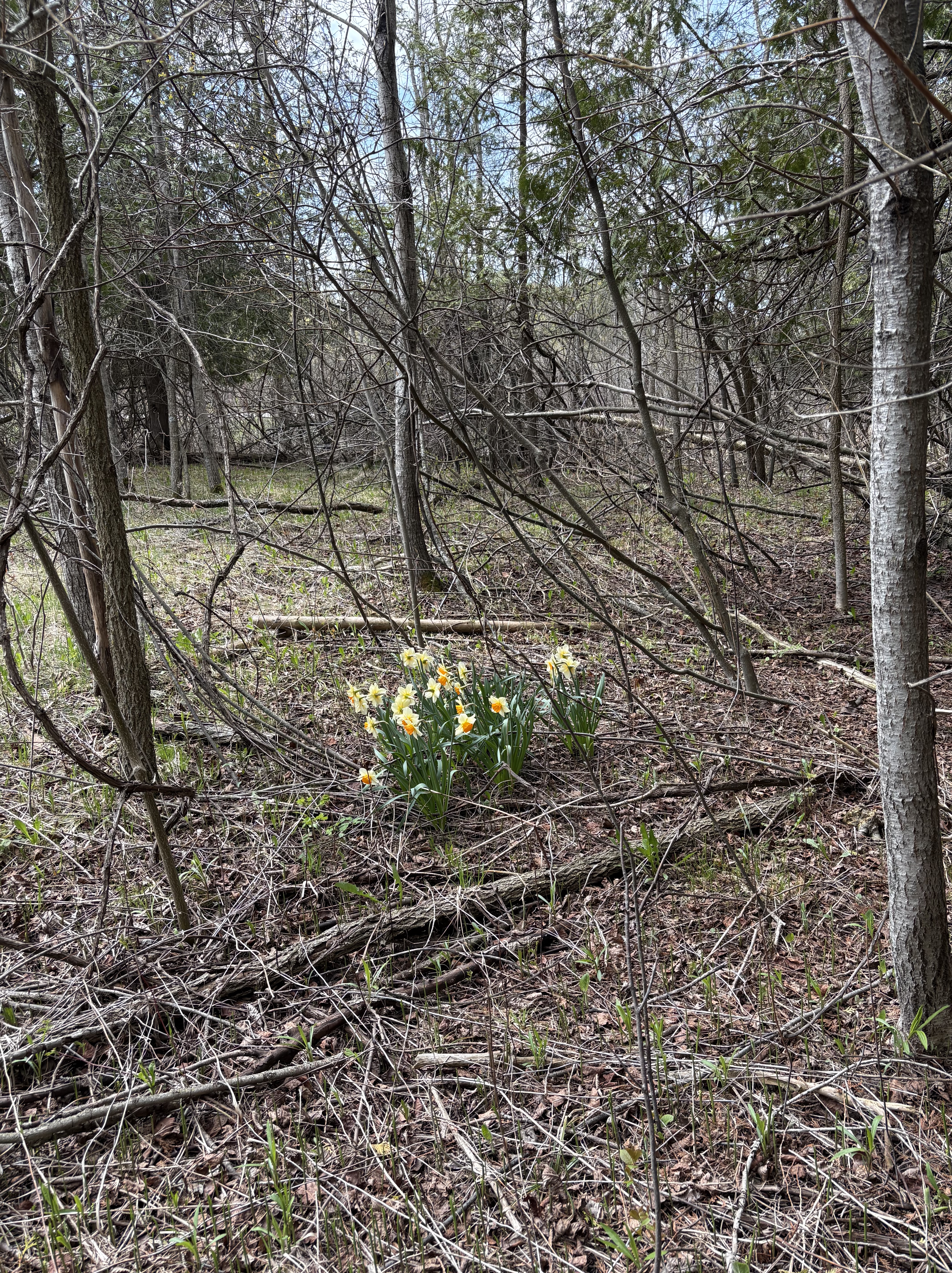
    If only the spring of 2026 would be as predictable instead of posting temperatures inspiring sundress wearing one day and tumbling forty degrees in a handful of hours. Snow, sleet, ice, rain and sunshine can be experienced during a school or workday. In the cities frequent snowstorms topped with melt and freeze have turned streets, even major thoroughfares, into pothole disasters. In the Midwest, farmers ducks float where spring fieldwork should be happening. 

    We could accept Mother Nature’s uncertainty in April. In May, we are done with heavy fleece jackets and would like to get the kids out of shoes that were worn a size too small through late winter snowy, slushy weather. But we’ll wait until spring really settles in. Money is as tight as the kids’ old shoes.

    Farmers can’t afford the same amount of fuel and fertilizer they ordered in 2025. Families don’t talk about summer vacation travels. Many worry about the coming expenses of feeding kids two additional meals much less extra day care or camp programs. We’re putting in vegetables where marigolds or coleus filled garden spaces. It makes sense if you have the time. Teach the kids about gardening and tending vegetables instead of using gas on unnecessary shopping trips. Maybe neighbors can pool childcare to save money. This might be the summer the grandparents are able to host grandma camp, or a cousin would appreciate getting out of their own home to hang out with the youngers.  

    It’s been a rough year and we can weather this. The kids want to spend time with their parents whether on a lake or in a community pool. We made it through Covid with its isolation and money squeeze. We supported each other through the Ice surges. Now we must figure out soaring gas prices and inflation. If we share with each other from what we have for a few months, we can manage a decent summer.  If spring will truly let go.  

  • Five Simple Ethics Lessons from NYT’s Kwame Anthony Appiah

    “Advice on life’s trickiest situations and moral dilemmas.”

    That’s the promise made by New York Times’ ethicist Kwame Anthony Appiah. I have found his columns immeasurably interesting and packed with ethical dilemmas ranging from “what do I do now that I’ve hidden my trust fund from my wife for 15 years” to “can people claim spots on the beach with empty chairs” to “does my fiancée love me or does he just want citizenship?”

    Thanks to Appiah, I’m becoming wise enough to know that while my advice to others is well-intentioned, it may not always be helpful or even all that ethical. Here are five lessons I’ve learned by reading his columns:

    Lesson #1: There are no one-size-fits-all solutions
    Ethical dilemmas are rarely black and white. What’s right in one situation may not be in another. The columns remind me that ethics is a nuanced field, one with shades of grey. Solutions must be tailored to individual circumstances. Doing so prevents us from adopting a rigid moral framework and encourages us to consider the context and consequences before making decisions.

    Lesson #2: Empathy is key
    By putting myself in the shoes of those affected by my choices, I develop a deeper, more nuanced understanding of how my choices impact others. This helps me recognize the interconnectedness of human experiences, encouraging me to consider not just my immediate interests, but also the well-being of others who may be impacted by my decisions.

    Lesson #3: Balance principles with real-world constraints
    The Ethicist columns show that while our ethical values are important, so is our ability to compromise.

    Lesson #4: Seek guidance and diverse perspectives
    Reading, discussing options and seeking feedback from can expand our understanding and help us see things we might otherwise miss.

    Lesson #5 Continually learn and adapt
    Ethical thinking is not static; it evolves over time as societal norms change and our understanding of complex issues deepens. It also changes as we age. That’s one reason the Ethicist columns underscore the importance of continuous learning and adaptation based on current events and ongoing self-reflection.

    The NYT’s Ethicist columns serve as a guiding light for me. Perhaps they will for you as well.