Author: Elizabeth di Grazia

  • Until It Becomes Personal

    Until It Becomes Personal

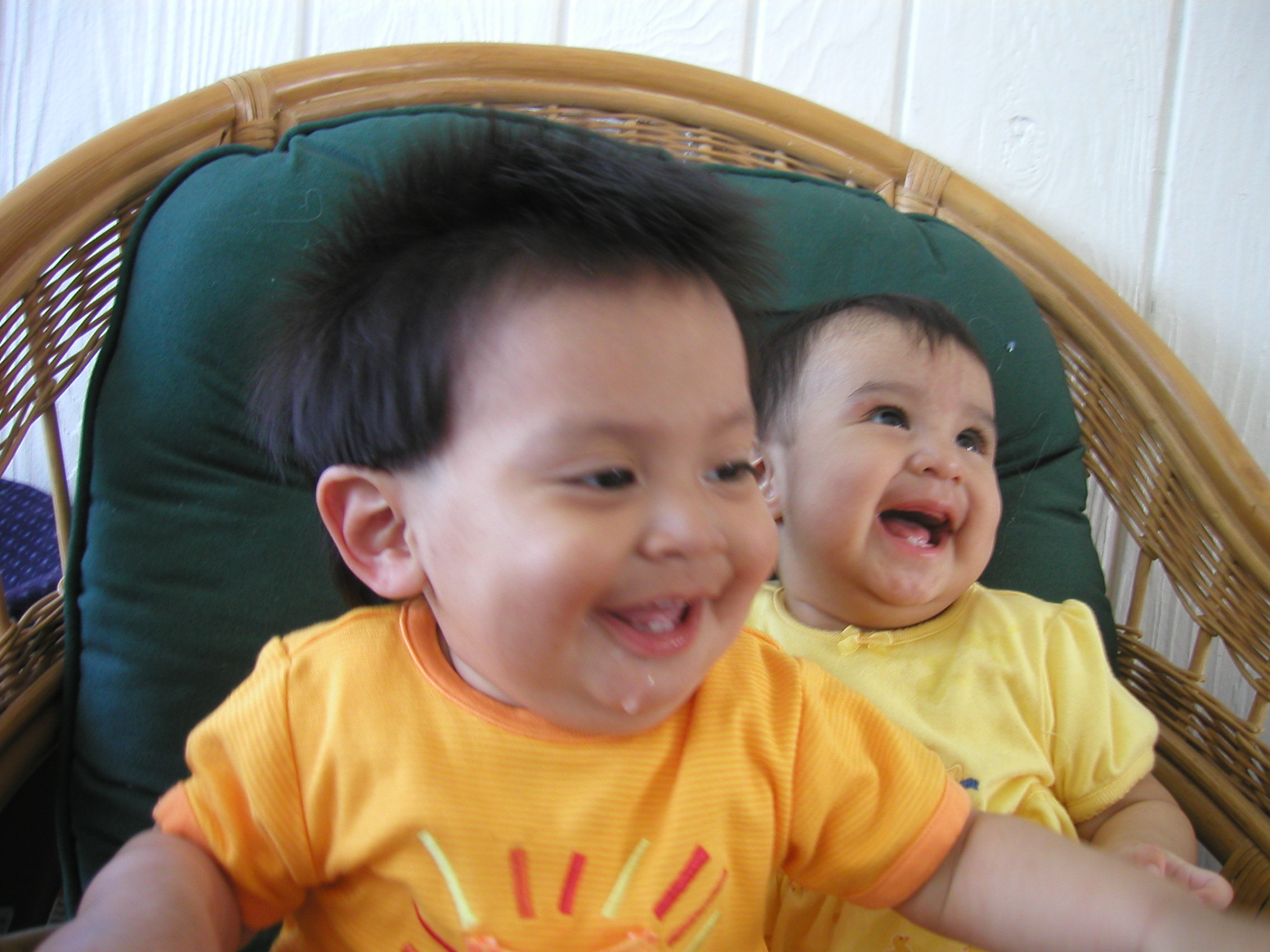
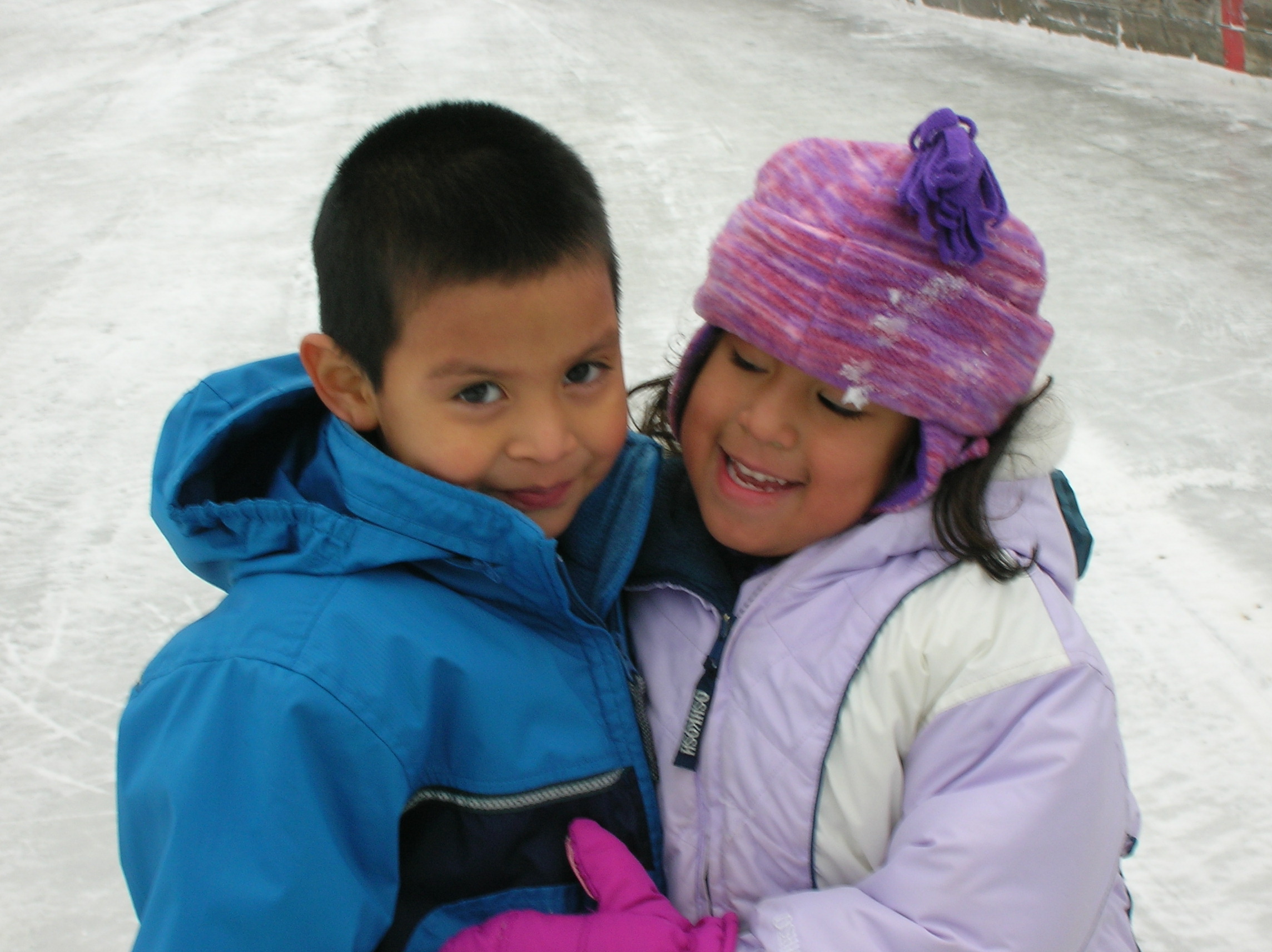
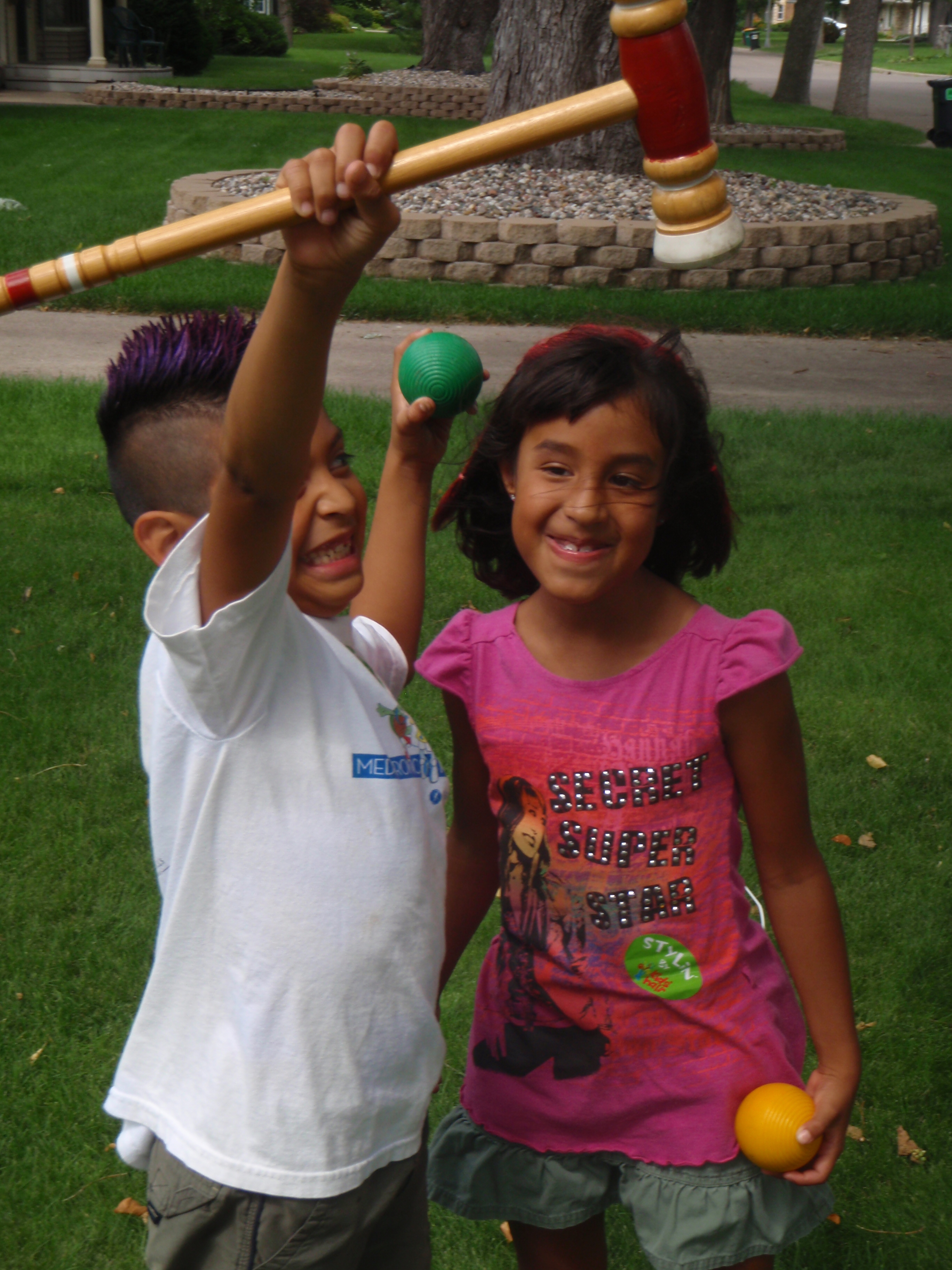
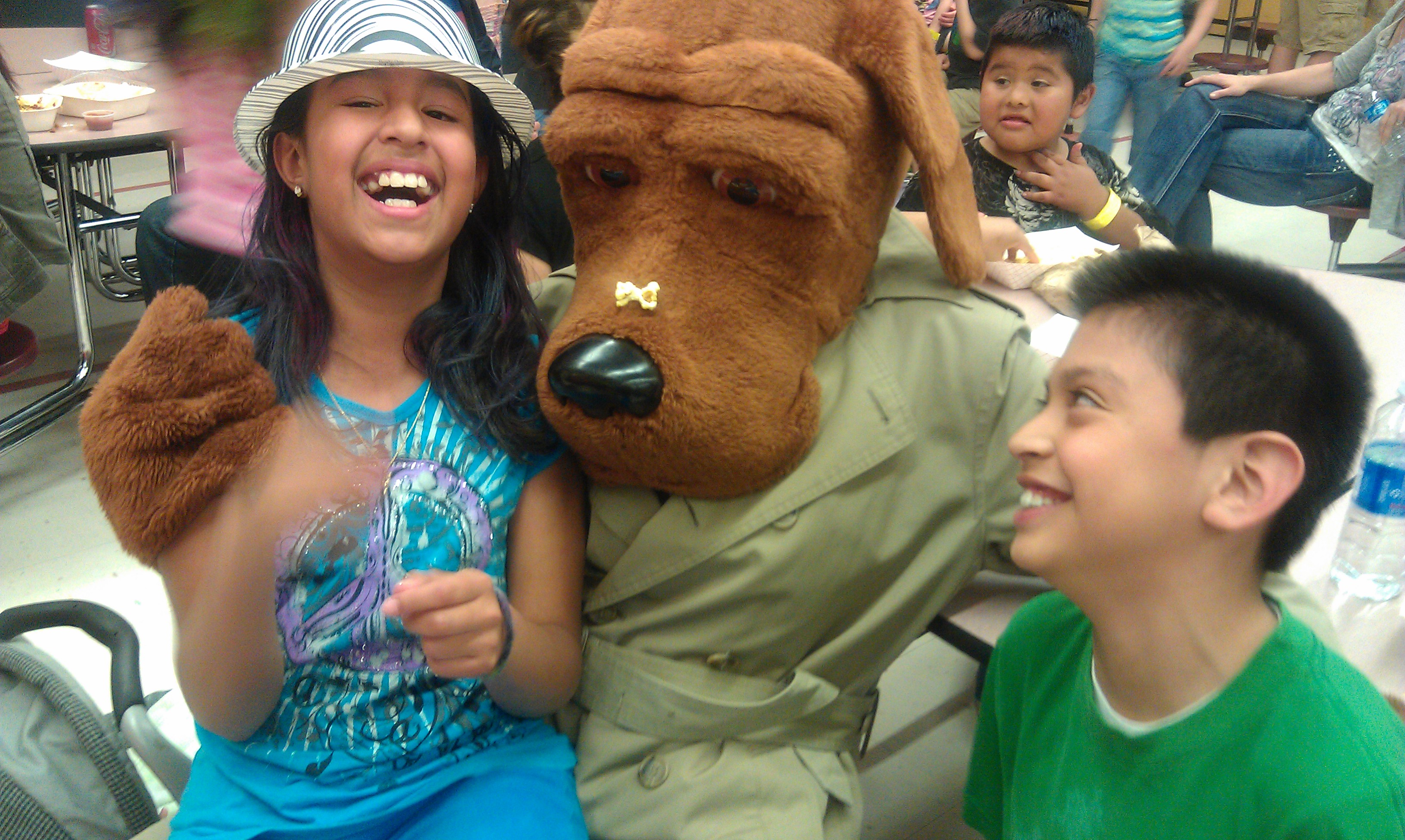
    Friends of Luis and
    Friends of Luis and Nahily (some since preschool)

    It is somewhere else and happens to someone else, not in your hometown, not in your classroom, and not with your kids.

    Missouri dad shoots at wife, kills their infant child. May 24, 2016

    Father killed 3 children, wife, then himself in Pennsylvania home. August 15, 2016

    Dad kills two children then himself in Beaverton, Oregon. October 5, 2016

    The morning we got the news, I heard Jody talking on the phone downstairs. When she came up she handed me the Saturday paper.

    Man, two teens dead after south Minneapolis domestic shooting.

    14440642_10210326956788272_3891113084642446291_n1“This is Luis,” she said. “No, not Luis,” was my response. “Not our Luis.”

    I immediately went to the last time I saw Luis. It was at our house this past summer. Luis’s birthday is a day before Juan’s. Through the years they have been to each other’s birthday party. This year, Juan’s party was on Luis’s actual birthday. A van load of teens sang “Happy Birthday” to Luis when we picked him up for paintball and again when we cut Juan’s birthday cake.

    Each Happy Birthday elicited from Luis the tiniest of smiles. Luis didn’t smile much. I’d see him from time to time in Juan’s classes when I’d accompany Juan because I was trying to understand why he was tardy. I never did figure it out. But it would be old home week for me when I’d see Luis and the other students that I knew from being a school volunteer.

    On one of my ‘why are you tardy’ class visits, his friend Oliver asked me why I was there.

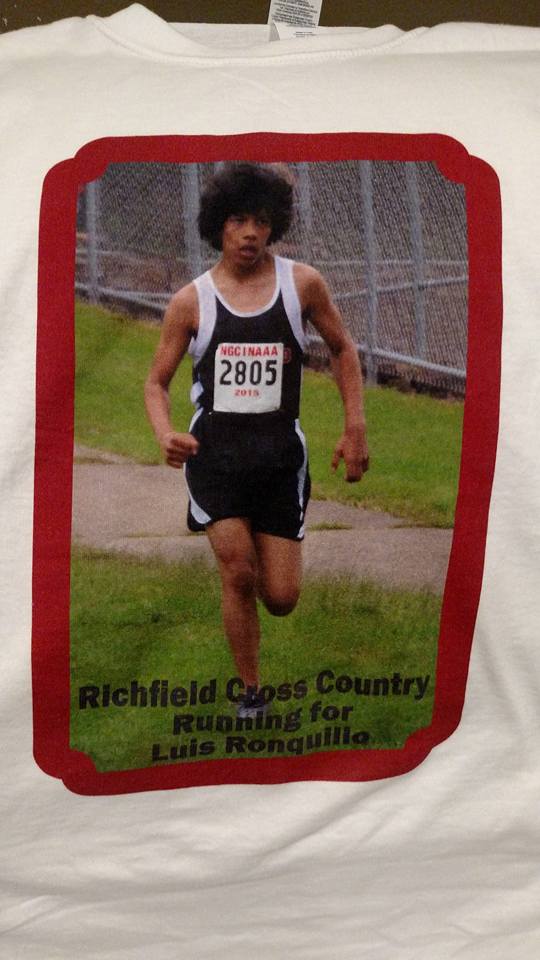
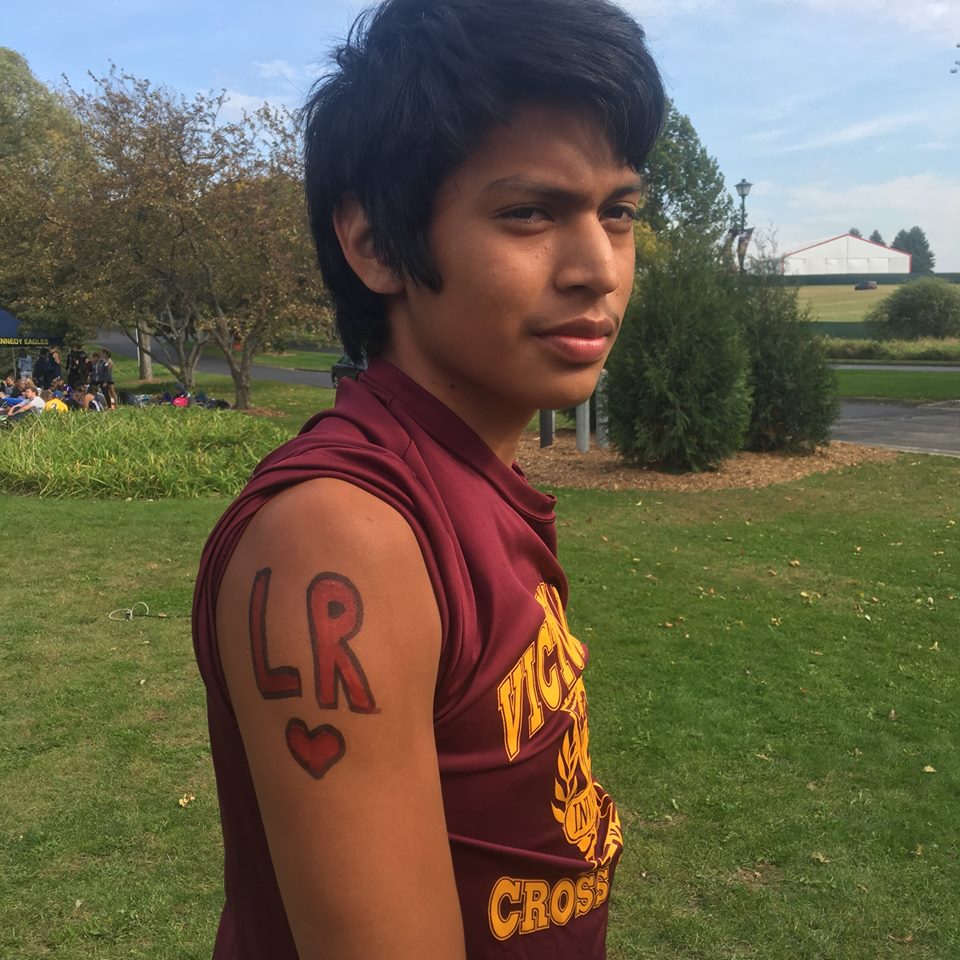
    Running for Luis
    Running for Luis

    “It’s bring your mother to school day,” I told him. “Obviously, no one else got the memo,” I added, as I looked around the classroom.

    Of course, I’d do what I could to embarrass Juan. I’d pull a chair up and sit right next to him, say hi and wave to his classmates.

    During that class, I spent a lot of the time watching Luis. He was different. Quiet. Didn’t say anything. I mentioned this to Juan. “Luis never says a word.” He agreed. “Sometimes, Kevin can make him laugh,” he said.

    When it came time to tell Juan about Luis, I knocked on his bedroom door. His room was a dark cave with only the glow from his iPhone. I flipped on the light switch, sat down and handed him the Saturday paper. “This is what’s called domestic violence. This is your friend, Luis.”

    I’m no stranger to domestic violence. I grew up in a home that was violent. One particular afternoon, when I was Juan and Luis’s age, I had my hand on the phone in the kitchen. I was sure my dad would kill my mom or my mom would kill my dad. I couldn’t take my eyes off of them as they circled each other. Two of my older brothers were discussing amongst themselves how to break up the fight. I was debating whether I should call the cops from the house phone or run to the barn and use the barn phone so my parents wouldn’t know who called. I couldn’t pull myself away. I was afraid of what would happen if I did.

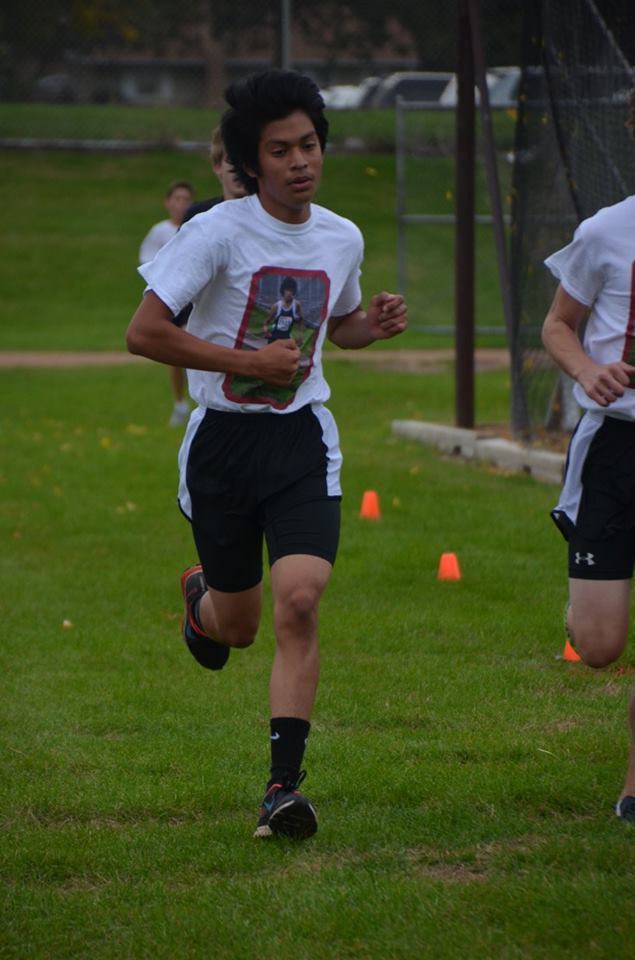
    Richfield Boys Cross Country Team
    Richfield Boys Cross Country Team

    In parenting Juan and Crystel, I’ve been adamant that our house be a safe zone. Negative talk or actions are not tolerated. Jody and I’ve extended this safety to their friends. “Tell them where our housekey is. Let them know they can come here if they need a place to come.”

    What I didn’t realize then is that Jody and I were creating a safe haven for me. I’m able to finally rest. I fall asleep. I snore. I’m not always on alert. I’m not afraid anymore.

    Soon after Crystel learned that Luis had died from domestic violence she asked me if I ever got mad at her. I paused, “Mad enough to shoot you in the head?”

    She hesitated, “Well, yeah.”

    I told her, “No, I never get that mad. I don’t even get mad enough to hit you. You irritate me sometimes. But, mostly I just like being around you and Juan.”

    I knew the conversation was over when she took it to where she usually takes a conversation, “Do I irritate you more or does Juan?”

    Richfield Girls Cross Country
    Richfield Girls Cross Country

    Later that day, I realized that I had forgotten to tell her something so I brought it up the next day. “Luis didn’t do anything wrong. His dad wasn’t mad at him. Luis is dead because his dad was mad at his mom. Not because of anything he did.”

    In talking with Veronica Bach Dowd, a very close friend of Luis and Nahily’s mom, Maria Romero, she spoke about how difficult it is for Latino women to report abuse. Veronica previously worked at Casa de Esperanza as an advocate for battered women.

    She explained that in Mexico, domestic violence is common. For a Latino woman in a new country it’s even worse because of the isolation. Women are isolated because of language barriers, not knowing about resources, and not having any money. The abuser “takes care” of the woman by driving her everywhere to not allow her to get a driver’s license. The abuser “takes care” of the woman by paying for everything to not allow her to be independent and self sufficient. She added, “Control is how abusers keep abused women invisible.”

    A Latino woman may be afraid to report abuse due to the threat of being deported, or having their children taken away. The abuser and the children may have residency, but the woman might not. The Latino woman is stuck, remains invisible, and under the radar, so she uses makeup to hide the bruises and great excuses to avoid questions.

    That’s why Veronica helped open a resource center for Latino women. It was a little office where any woman could go to ask any question. She would help them open Hotmail accounts so they could email people in their home town in Mexico.

    14570430_10154728863962384_4945550604691041982_n1Veronica has been friends with Maria for over nine years. She watched her grow from being in a cocoon, to a caterpillar, to a butterfly. Her eyes kept getting bigger and bigger. Veronica helped in Maria’s transformation by assisting her with filling out her first online application to become a paraprofessional at Richfield Dual Language School. Veronica watched Maria grow into a strong, self sufficient, beautiful free woman.

    Juan and Luis
    Juan and Luis

    Until it becomes personal it is somewhere else, some place else, somebody’s else’ kid. Luis, his sister Nahily, and mother Maria Romero, have made domestic violence personal for our house, for our school, and our community.

    For families experiencing domestic violence, Casa de Esperanza and The Family Partnership offer Spanish- speaking resources.

  • Crossing the Threshold

    Crossing the Threshold

    img_1358-copy

    I didn’t notice the absence of my siblings, the eight closest living relatives to me. At other times, I have. I felt the longing for people who knew me, grew up with me, had a similar life. There was a time I yearned for them to see me and acknowledge my accomplishments.

    The room was full of friends. People who supported me. Listened to my words. Really, listened to me.

    Imagine if that teenager had had that support when she was 13, 14, or 16. Instead of the silence that accompanied the aloneness that scraped at my young heart. I was a pariah in my own family.

    “When’s the baby coming home, Ann?” My 5-year-old brother who did see me would ask. “When’s the baby coming?” He wasn’t yet trained to pick up the subtleties, of who was in or out of the fold. He’s now dead. Died of a heroin overdose when he was 29 years old. I don’t hold any notion that he would have been there Friday night if he lived. My family runs in a pack or as a lone sheep in a gully.

    With a sunkeness, I’d pat his sun streaked hair. It had the look and unruliness of summer cut straw.

    Every time I speak of my birth son, the baby who didn’t come home, it’s a homecoming.

    author 8-years-old
    author     age 8

    I live in this body. I breathe this air. I’m here to tell you that it does happen. Sisters sometimes get pregnant by a brother and have their baby and then if they are lucky enough, they get to write a book about it that people will read and celebrate with you at a book launch.

    I recently read a Facebook post from a high school classmate who read, House of Fire, and she said that it had a happy ending. She was encouraging another classmate to read it.

    Think of that. Out of tragedy you can have a happy ending. You can be a happy ending.

    I was very happy Friday night at my book launch. Because you were there. And, if you weren’t, you sent me good wishes. All of me was up there at the podium, and it was enough. It has always been enough.

    At the podium, I thanked relatives who came. And someone asked me later if my relatives were actually there. I smiled. It would have been something to point out a brother or sister. I would have wished for that before Friday night. But on this Friday what I had was abundance. “The relatives that are here are the chosen aunts and uncles that are in the book,” I said. Except my niece. That brave niece who came. Who fortunately doesn’t have the same story line I do though she’s looked across the fence at mine and knows it to be true.

    My 40th high school reunion has come and gone. Not that I attended it. My book did though. Classmates are now reading, House of Fire. I’m in awe of the support. It’s unbelievable to that young teen who had nobody.

    Coming home can be a difficult journey and yet the most wonderful. It has a happy ending.

    photo-for-oct-21-reading_2If you’d like to hear more of my voice or you weren’t able to make it to my book launch, please join me and Su Smallen on October 21st at 7pm at Hamline University.

    “Su Smallen´s new poems, a lexicon of snow, sing with notes of grief, sorrow, joy and resilience, pondering that great Midwestern element. . . . I am grateful for what this talented poet brings forward: pressing with renewed trust her words onto the pages the way you step — well, through snow.” – Spencer Reece

    “House of Fire is a book of naked, sharp-edged truth, a journey into and through immense darkness. Yet it is also a profound testament to our deeply human ability to heal and transform.”
    – Scott Edelstein


  • No Merit Badge For This

    No Merit Badge For This

    davannis“After Penn Fest, Ryan wants me to come over and hang out and then we’ll go to the Mall of  America”, Juan said.

    Juan would be finishing up his shift at Davanni’s. His second job. He was a line judge for soccer over the summer. A fellow cross-country runner told him that Davanni’s hired 14-year-old’s. His cross-country coach introduced him to the hiring manager.

    I gave him a sideways look. “Who else are you going with? Who are you going to meet up with? I’ll need more information.”

    “Just us,” he said.

    I gave Juan the usual response. “I’ll have to check with his parents.”

    We were driving home from Boy Scouts. Juan had hoped to have his final three merit badges checked off. (I was, too. If he’s in scouts, I’m in scouts.) He’s aiming to get his Eagle Scout by the end of this year.

    Turning on Penn Avenue from 50th Street, I asked him. “What would you do if there was a fight in the food court?”

    Eagle Project, Antiqua Guatemala
    Eagle Project, Antiqua Guatemala

    He dodged, displaying a typical defensive teenage move. “Ryan and I won’t be in the food court.”

    I persisted. “Still, what if you were and a fight broke out?”

    Juan described some superhero ninja moves he’d make leaping over railings, running faster than the speed of light. Then he paused, “Ryan isn’t as fast as me, though.”

    I didn’t tell him that Ryan was white and didn’t need to be as fast as him.

    Instead, I said, “You’re Hispanic. If you’re running from a fight, police could think you were a part of it. If the police ever stop you, you stop. You don’t argue, you lay down, and when you can, you call your moms.”

    I went on to tell him that there were at least 10 teens arrested at the Mall of America the day before. All were juveniles, ranging in age from 12 to 15.

    Juan is 14.

    He doesn’t have any fear of the police. He shouldn’t. I’m a volunteer Police Reserve Officer, Jody is currently going through orientation to be a Police Reserve, and he’s never been in trouble.

    He’s known to the Richfield police because he’s helped me with police patrol, vehicle maintenance on police cars, and wrapping gifts with the police at holiday time for Heroes and Helpers.

    After his eight grade school year, he’s planning on becoming a police explorer.

    Juan has no thought of being concerned. He’s an A/B student and active in three sports. All of his interactions with police have been positive.

    Still, when there’s a melee involving 200 juveniles, he’s just another Hispanic. I thought of him getting thrown to the ground, kneed in the back, his arm twisted behind him.

    I repeated, “If you’re ever told to stop, you stop, you don’t argue, you lay down, and when you can, you call your moms.”

    I left him with these words, “What the police see is a Hispanic running away.”