Author: cmkraack

  • Mortal

    Daffodils and forsythia are in bloom here. Egrets and ducks have returned to the pond. We all made it through another winter, a difficult season with plenty of cold, snow, and ice. 

    When I was in my forties, I wrote a short story about a woman whose first serious high school boyfriend was drafted to serve in Vietnam. He would die in battle and be remembered as perpetually nineteen. She went on to college, married, had children. As her son prepares for junior prom, she is reminded of Bernie. On the anniversary of his death, she writes him a letter about what it has been like to age decades beyond her teens.

    Late in 2022, I prepared for serious surgery. The surgeon called me a ‘low risk’ patient and young for my physical age. Tests showed no other options. All was successful, except emotionally I landed in part of the world described in Atul Gawande’s Being Mortal.  He writes that we tend to consider aging a failure, or weakness, rather than a normal process. As we live longer and longer, medical processes becomes part of our experience. Doctors know how to preserve life, but not how to help patients cope with how life continually changes.

    Like most surgery nothing looks different to others, but I know where the scars are and what each means. I know the medications that support carrying me through a normal life expectancy. I am also learning their downsides. I haven’t returned to tap dancing because the studio floor is slippery, and I am still fighting to return to my prior rock-solid balance. Down dog is back on my aspirational list, but for different reasons than undeveloped muscles.

    In the weeks between the first time a doctor said, “maybe six months, certainly not more than a couple of years,” and the night before surgery, I thought about not seeing my granddaughters grow up, about the writing projects that might not be published, about my unwillingness to let life go. When I stopped pushing to be the person folks expect, my fatigue was immense. With surgery on the schedule, I slept a lot, read a lot, thought even more. Because I am used to being productive, I labeled that week practicing recuperation. 

    I have had friends die of cancer without the medical miracle surgery offered me. I am humbled and so respectful of how they faced the eventuality of their passing. 

    This spring I wonder how to make these next many years meaningful. A wise friend told me the body needs at least six months to recover from major surgery then encouraged me to give my emotions the same time. A good plan. I’ll enjoy the daffodils and forsythia, then the tulips and lilacs. The demands of regular life are close enough.

    With love to my brother, Darrell J. Frisque, who passed too young on April 14, 2007.
  • Long Time Coming

    A pretty, first snow fell in the Twin Cities on October 14, then disappeared providing weeks to prepare for the next season. Winter this year has been an unreliable roommate making Monday commutes miserable then offering a day or two of mild temps. A stingy relative refusing to share sunshine unless temps freeze cheeks. A mean neighbor dumping snow, ice, rain, sleet, snow and more snow making skating rink maintenance or sidewalk cleaning just miserable. 

    Minnesota has not received the enormous snow dumps of Buffalo or the California mountains, but if you bought new boots this year you made a good decision. If you remembered dressing following extreme cold guidelines and prepared for the bus stop or parking lot hike looking like a Squishmallow with legs, bravo. Some of us gave up on attractive sleepwear to pull on flannels, hoodies and socks after dinner then stayed in the same as long as possible in the morning. Hard-core Minnesotans supposedly wear long undies twenty-four seven from November through March except when they escape for their winter getaway.

    Beyond puzzle construction time, optimal sleep conditions may be winter’s attraction. No sun peeking around the window coverings when you go to bed, nothing sticking to your warm body, no birds at five in the morning.

    Whatever the statistics are for this year, it has been a long time coming since we could wander outside consistently without a hat or gloves or boots. Oh, the joy of leaving the puffer coat unzipped and wearing old shoes when running errands. The amazing experience to eat dinner while natural light brightens the kids’ faces. There will be more snow, but it will be short lived. We’re heading into t-shirt, jeans and a light cover season. We are going to eat outside before the mosquitos multiply. 

    Meantime, stay upright and don’t drop into a road crater. We have about as much control over shortening winter’s existence as our governments appear to have over rebuilding critical infrastructure. That will be a really long, long time coming.

  • Days of Belgian Pie

    John, my last living uncle, passed away January 25, on his 90th birthday. One aunt remains and I hope she will be able to be there to say good-by to the last of her siblings. 

    It is cold in Wisconsin and my uncle’s beloved parish church may be chilly as his family gathers for his funeral this week. The cold would not have bothered him during his working years on the railroad or hunting with friends and family. When he was a kid hunting was not so much a sport, but a way to keep meat, canned or frozen, on hand to feed seven or eight people. Railroad workers, both my grandfather and uncle, never made a lot of money. My aunt cooked and sewed and gardened while working part-time to help support their family. Raised on a farm, she knew how to work as well as have fun. They both had big hearts.

    When my ninety-four-year-old grandfather passed away, he was buried out of St. Mary’s Catholic Church in Luxemburg, Wisconsin. It was the first time I spoke at a funeral and shared with my eleven-year-old daughter the traditions of grieving in a small town where families are often intertwined, and most people have a public reputation. 

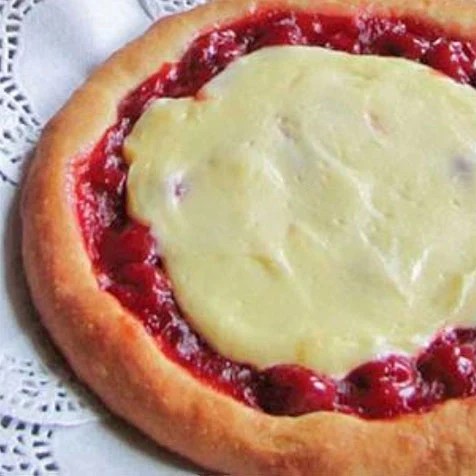
    Women from the parish made the food for my grandfather’s funeral luncheon. One of his cousins, who was also in her nineties, started baking when she heard he had passed. She made dozens of Belgian pies, enough so an entire six-foot table could be filled multiple times with slices of the sweet dough pie with soft cheese topping covering prune, apple, cherry, apricot, raisin, rice or poppyseed filling. It is an acquired taste.

    Noise filled St. Mary’s School cafeteria from lunch until we were asked to leave. There were a few photos, but the tradition of picture boards or videos at funerals had not come to Luxemburg. Instead conversations about my grandfather’s life were shared which often triggered laughter. Lots of laughter. For a relatively small man, Uncle John had a large and distinctive voice. His laughter may have been one of loudest in the crowded space. With our parents still alive and doing the job of representing the family, the cousins gathered our children to do introductions and talk about growing up with our grandfather. 

    My Uncle John looked a lot like his father. He was fiercely protective of his family, and they reciprocated. Hopefully my cousins, their children, and grandchildren will fill another room with stories of his life and laughter. Traditions like baking Belgian pies for a funeral may have faded away, but the love of family at a time of loss holds.