Tag: food

  • Chasing Spring

    The youngest member of the extended family is crawling and wanting to walk. His four-year-old sister prefers hitting a softball that is pitched, not set on a tee. The older cousin is closing in on successfully completing her first year of middle school. They are progressing in predictable ways that we all celebrate.

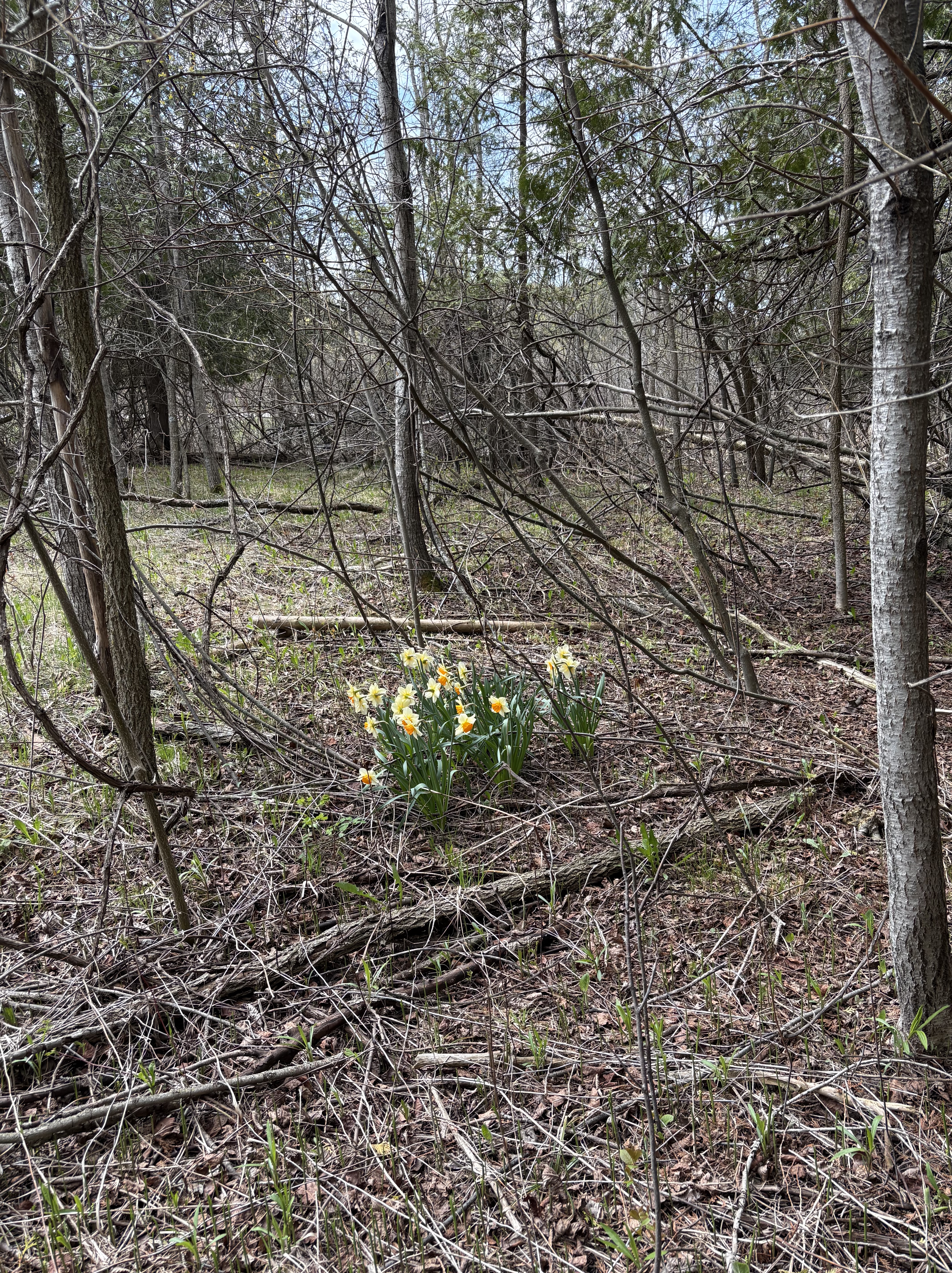
    If only the spring of 2026 would be as predictable instead of posting temperatures inspiring sundress wearing one day and tumbling forty degrees in a handful of hours. Snow, sleet, ice, rain and sunshine can be experienced during a school or workday. In the cities frequent snowstorms topped with melt and freeze have turned streets, even major thoroughfares, into pothole disasters. In the Midwest, farmers ducks float where spring fieldwork should be happening. 

    We could accept Mother Nature’s uncertainty in April. In May, we are done with heavy fleece jackets and would like to get the kids out of shoes that were worn a size too small through late winter snowy, slushy weather. But we’ll wait until spring really settles in. Money is as tight as the kids’ old shoes.

    Farmers can’t afford the same amount of fuel and fertilizer they ordered in 2025. Families don’t talk about summer vacation travels. Many worry about the coming expenses of feeding kids two additional meals much less extra day care or camp programs. We’re putting in vegetables where marigolds or coleus filled garden spaces. It makes sense if you have the time. Teach the kids about gardening and tending vegetables instead of using gas on unnecessary shopping trips. Maybe neighbors can pool childcare to save money. This might be the summer the grandparents are able to host grandma camp, or a cousin would appreciate getting out of their own home to hang out with the youngers.  

    It’s been a rough year and we can weather this. The kids want to spend time with their parents whether on a lake or in a community pool. We made it through Covid with its isolation and money squeeze. We supported each other through the Ice surges. Now we must figure out soaring gas prices and inflation. If we share with each other from what we have for a few months, we can manage a decent summer.  If spring will truly let go.  
  • Hamburger Soup

    Another two big snowstorms are threatening our travel plans. Winter 2025 – 2026 isn’t willing to give up. Heavy snow, ice, cold temperatures, wind, have attacked almost every part of the country. If weather didn’t make leaving home difficult,  the stew of flu, Covid, colds and respiratory illnesses shut down schools and even the simplest vacation plans for a weekend visiting grandma and grandpa. Living in the communities impacted by ICE surges, emotional heaviness still exists. Rising costs, losing insurance coverage, changing political and values landscape, make temporary escape difficult to find.

    We’ve indulged in homey meals. Not necessarily fancy foods, but smells and tastes that bring back other times. Some of that has been European ethnic cooking with sausages, potatoes, onions and bread. Homemade pizza, order-in pizza, frozen pizza with sides of fruit. Grilled sandwiches with a cup of soup.

    Last week I made hamburger soup, what others might call vegetable soup with browned ground beef. My mother made her vegetable soup with chunks of cooked round steak, but we usually substituted ground beef because of easy freezer availability. The simple recipe made enough for three meals for the two of us with sides of bread slices and a chunk of cheese. 

    I was surprised at yuk faces when I shared our enjoyment of hamburger soup. Usually the frowns turned to memories of childhood when I described it as vegetable soup with burger. “Oh, yeah, that sounds good.” “That is comfort food.” “We ate that a lot when I was a kid.” It is all in the name.

    That is how I’m labeling this winter: The year of ICE and hamburger soup. It would be grand to be able to make vats of the stuff and feed some families still in hiding and people who are food insecure. We could leave out the burger to meet religious or personal preferences. But I’d love to add a crusty chunk of bread with each bowl to really fill everyone’s stomach. And hope that a touch of love gives the soup a dose of comfort.

  • Love of a Woman

    Did you notice many people wearing red February 2 to call attention to the American Heart Association®️ Go Red for Women®️ campaign?  Has anyone mentioned to their doctors the Yale’s Women’s Health Research study on women’s lower outcomes compared to men after coronary artery bypass surgery? Keep in mind that heart disease is the #1 killer of American women and 44% live with some form of it.

    February is National Heart Health month. While political theater would keep female eyes focusing on reproductive health as women’s major issue, most of the true state of women’s health is unknown. Not only is there inequality in how the medical community treats women, but less than 11% of the National Institute of Health’s 2020 budget went towards female illnesses or conditions. Staying with heart health challenge, only 29% of cardiac artery bypass surgery is done on women, with a statistically lower success. Heart disease presents different in women and is often ignored. Select surgeons recommend that more female cardiac surgeons need to be trained to care for female patients with additional research and training on female heart disease treatment. 

    Not need to worry unless you are a woman or love a woman. That includes daughters, sisters, mothers, partners, special friends. 

    The World Health Organization found that although women in the European Union live longer than men, they spend more of their lives in poor health. Prevention is not as high a consideration in women’s health as intervention–waiting until illness has hit, a pregnancy is in trouble, a young mother cannot take care of her family. Research money in pain management is directed toward men—80% of budget while about 70% of women manage long-term pain. 

    Women are responsible for 85% of the decisions about their families’ healthcare. Marketers know a lot about women as buyers and users of healthcare. Sophisticated research can be done today by manipulating data. So why doesn’t the healthcare world know more about the differences between men and women’s bodies?

    For love of all women, healthcare research and care delivery need to immediately update thinking that treats a five-foot four-inch female standing next to a six-foot male as merely a smaller body. Someone you love might depend on more specific knowledge and care.