Category: Writing

  • Writing Retreat Report: 3 Benefits You Won’t Get at Home

    Writing Retreat Report: 3 Benefits You Won’t Get at Home

    Last weekend, the writers’ group I’m a part of experimented with a do-it-yourself writers’ retreat. We all thought it was a success and even discovered an unexpected benefit.

    1. Accomplishment

    No surprise. This is one of the main reasons you go on a writers’ retreat. There’s nothing else you’re supposed to be doing. No job, errands, household chores, or running kids around. Just write, think, or daydream—whatever feeds the muse.

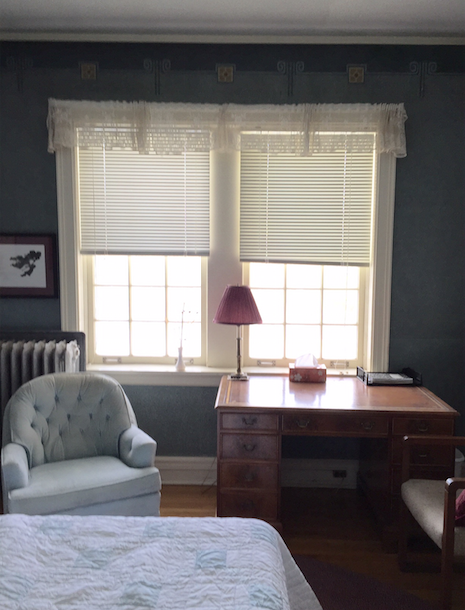
    I wrote two essays and a new query letter in this room with a view
    I wrote two essays and a new query letter in this room with a view

    Each of us accomplished more than we normally would. Several of us drafted essays. Others focused on planning—reviewing what they already had written and seeing the possibilities for new work. Some concentrated on researching possible publications and sending queries. Everyone felt the time away helped their writing and creative process.

    2. Inspiration

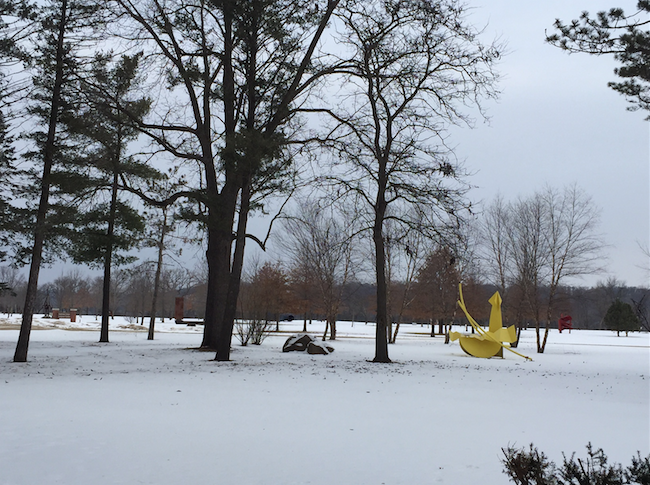
    Getting away from your usual surroundings, even for a few days, is very freeing. When you leave the To Do lists behind, you mind clears and there’s room for big ideas. Inspiration bubbles to the surface more readily.Grounds

    3. Affirmation

    Writers could probably get a lot accomplished and maybe even be inspired if they rented a cabin or house-sat for a vacationing friend. But by staying at a bonafide writers’ retreat, you get more. Hundreds of other writers or artists sat where you sat and considered their creative work important enough to invest in.

    The retreat center itself is dedicated to fostering your work. At the Anderson House, the setting includes floor to ceiling bookcases filled with literature instead of the ripped up mystery stories like you’d find at a rental cabin. Each bedroom has a journal full of entries by previous writers and artists who are wishing you well. You feel you’re part of a larger tradition.

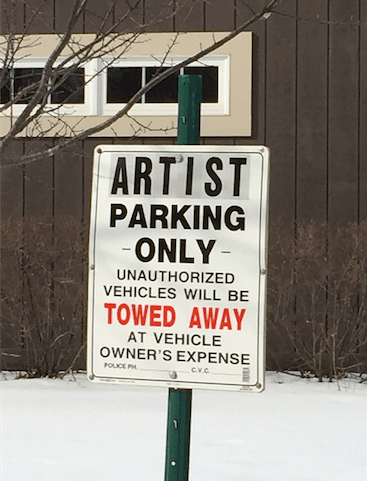
    ParkingIf the retreat center thinks I’m an artist, I must be!

  • Plan A Do-It-Yourself Writing Retreat

    Plan A Do-It-Yourself Writing Retreat

    Many writers daydream about getting away from it all so they can spend focused time writing—no interruptions, no responsibilities—just writing for hours at a time. Often making that daydream a reality seems hard:

    • That memoir workshop in Ireland sounds wonderful, but who has that kind of money?
    • Places like Ragdale have a rigorous juried application process. Most writers won’t be awarded a residency.
    • Getting away for a week isn’t realistic for writers with day jobs and/or significant family responsibilities.
    • Attending professionally run writers workshop and retreats can trigger an attack of insecurity (I’m not as talented as all of those other writers. What if the people are cliquish and pretentious and I don’t fit in?)
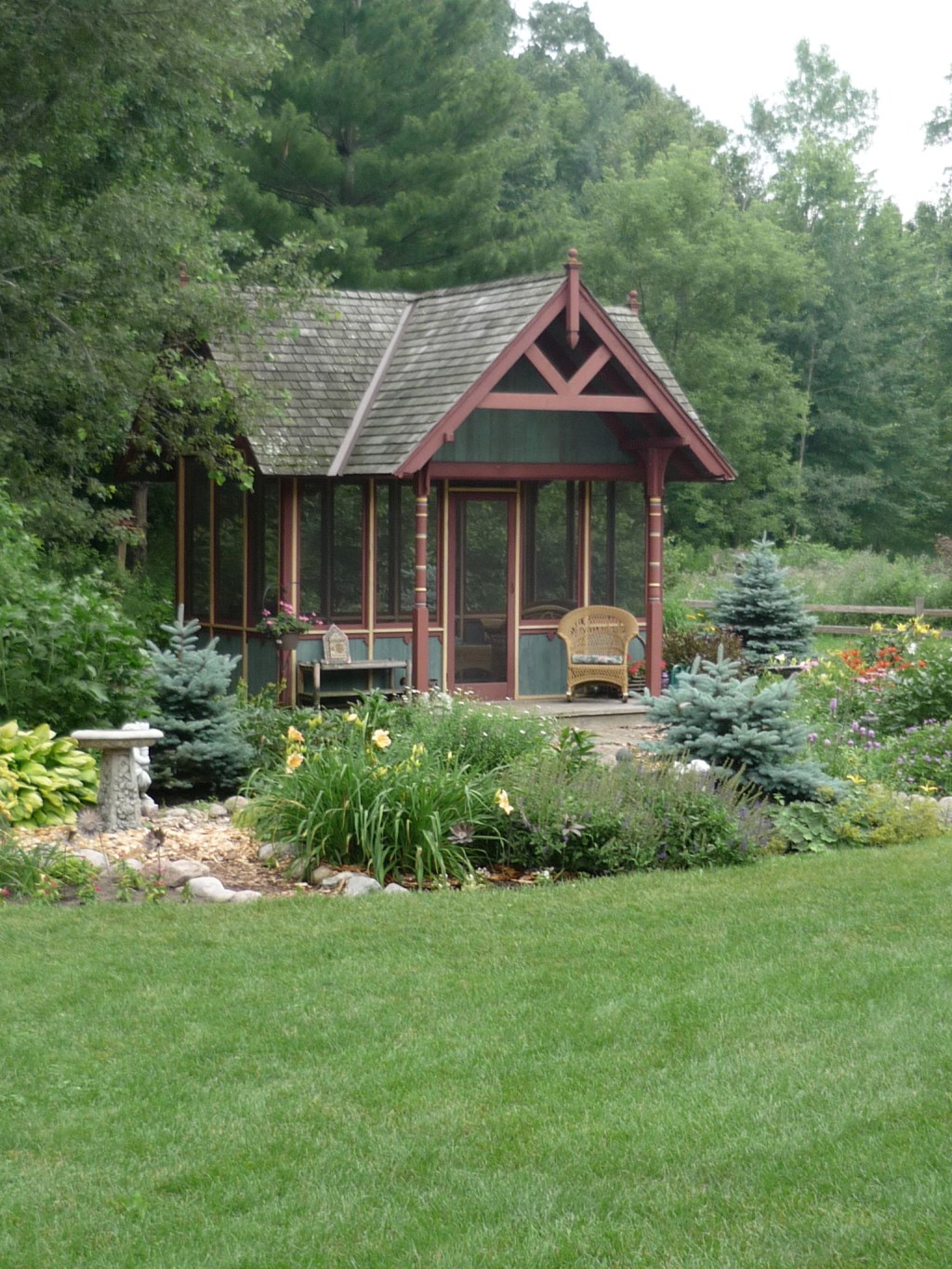
    What a writers retreat looks like in my daydreams
    What a writers retreat looks like in my daydreams

    Invent the Retreat That Fits Your Life

    Several months ago, the writers group I belong to began brainstorming how we could put together our own writers retreat, and we had the following criteria:

    • We wanted a long weekend away instead of week-long retreat.
    • The location had to be affordable.
    • We wanted a place within an hour or two of the Twin Cities, so we wouldn’t spend too much of our precious time driving there and back.
    • Each of us wanted her own room, and ideally, the place would have a kitchen and some communal areas. Staying in your room all day and all night could get claustrophobic. Having a place to walk would also be good.
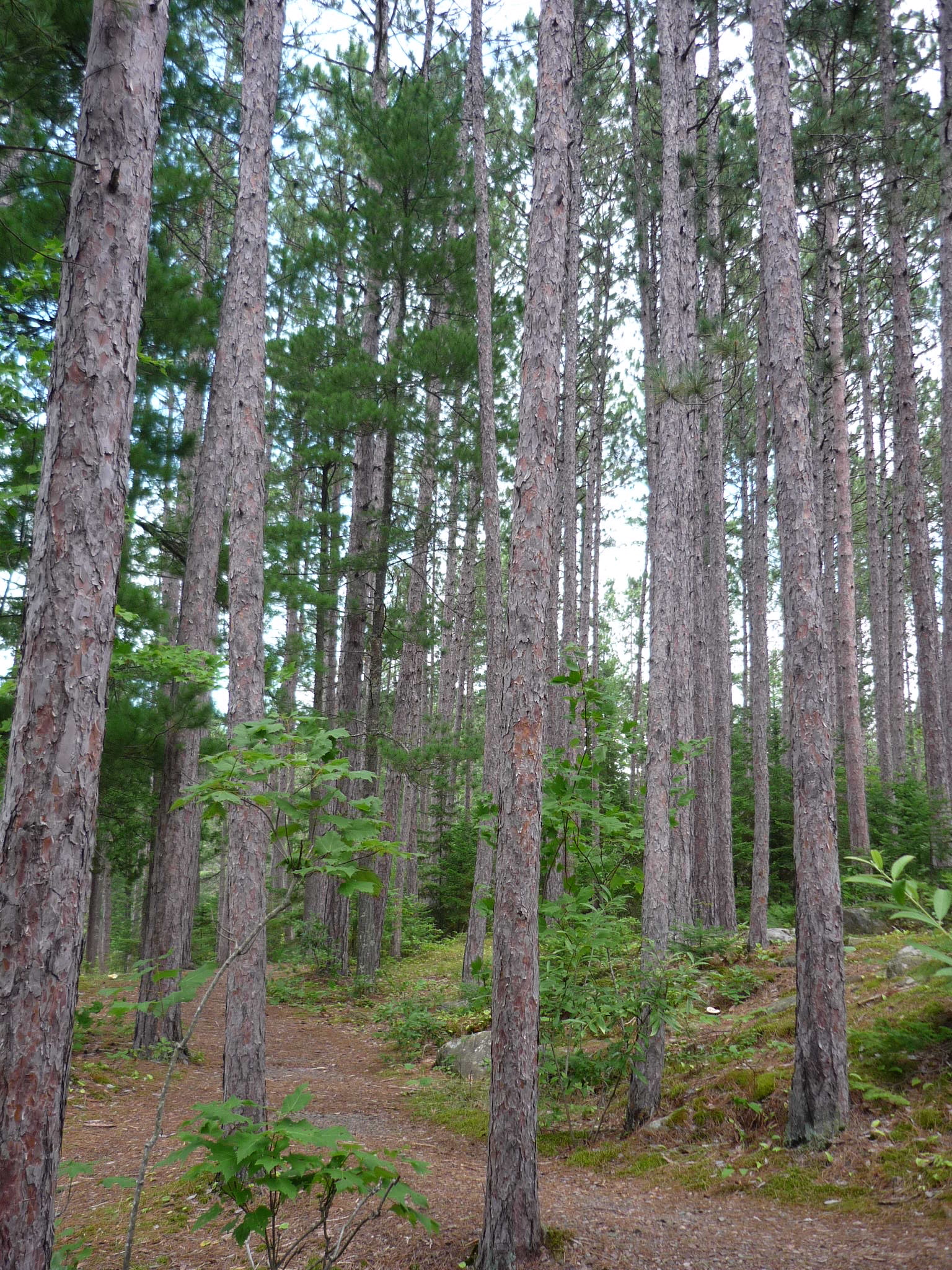
    The contemplative walk I envisioned
    The contemplative walk I envisioned

    After doing some Internet research, we found that retreat centers would be better than motels or condos, because they are more peaceful, less expensive, and often have kitchens. The Anderson Center in Red Wing, Minnesota met our specs and had an opening on one of the weekends we wanted to get away.

    What our retreat location actually looks like . . .
    What our retreat location actually looks like . . .

    Talk About Expectations and Set Ground Rules

    We have been part of the same group for more than a decade. We like and respect each other, but we wanted to avoid some obvious pitfalls if we could. Our discussions led to these guidelines:

    • This is NOT a girls’ weekend. If we’re too social, it will defeat the purpose of being on a retreat—getting the solitude to be creative.
    • We’ll eat dinner together both nights, but aside from that, there’s no need to socialize.
    • Each woman will set her own goals, which could be writing, revising, napping, reading, walking, daydreaming—whatever each person needs.
    • We’ll go out for dinner one night and cook one night. For breakfast and lunch, you’re on your own.

      That contemplative walk will actually look more like this
      That contemplative walk will actually look more like this


    We’re excited, but we’ve never tried this before. Wish us luck!


  • Dealing with a Dry Spell: Perspective for Writers

    Often my writing struggles concern wanting more time to write. Lately, I’ve had enough time, but I’m writing less—the words aren’t flowing. I’m still writing, but much less enthusiastic about what I’m coming up with. I’ve learned some ways to cope with a writing dry spell.

    FullSizeRender

    1. Don’t freak out. “Dry spell.” “Writer’s block.” “Just feeling off your game.” Whatever you call it, it’s like insomnia. The more you fret, “OMG! I have to get up in an hour-and-a-half. I’ve GOT to get more sleep!” the less likely you are to fall asleep. Similarly, if you tell yourself, “I’ve been sitting here 45 minutes and everything I’m writing sounds stupid. Why do I even bother?” you’re guaranteed to shut down your creative energy.

    2. Trust yourself. I know. I know. Easy for me to say. But after 25+ years writing advertising and marketing, I’ve learned that the words and ideas will come back.

    Countless times, I had two hours to come with an ad concept. The graphic designer and I tossed out ideas, drew, played with words that had a ring to them, and described possible visuals. At first, most of what we brainstormed was weak, clichéd, off the topic, or all three.

    We could have let ourselves panic, but we pushed away that feeling and kept going. Part way through the process, something shifted and the better ideas began to flow. I learned to get comfortable with spinning my wheels mentally. Sooner or later, my brain would engage and we’d have several viable concepts.

    As long as I trusted myself to think up something, I would. Writing essays, blogs, and memoir take deeper thinking and more sustained effort—they’re harder—but the approach is the same. Trust yourself.

    3. You can’t stop being a writer, so you might as well keep going. Haven’t you sworn off being a writer at least once? Haven’t you told yourself, “I don’t have any talent. No one is going to be interested in what I’m writing. I should quit fooling myself. Etc. Etc.”?

    How’d that work out for you? You must still think of yourself as a writer or you wouldn’t be reading this! Whether you like it or not, your writer’s sensibility continues to notice and mentally record the funny conversations you overhear at the coffee shop. The writer in you searches for the right words to describe the colors of grasses in autumn or the texture of a beat-up sofa—even if you’re just relaying a funny story to friends. You might not be writing much right this minute, but you’re still hardwired to be a writer.

    Since you can’t eradicate writing from your life, keep writing. Although there are different theories about this, I personally think it’s better to keep writing regularly, even if you only write a little bit, because it keeps you limber.

    But be gentle with yourself. Don’t expect as much. For example, set a goal of doing 20 minutes per session. Let the measure of success be that you did it, not that the writing was great. Perfection is not required.

    4. Trick yourself into continuing. Quite often, I’m not excited about what I’m writing, so I’m not eager to start work. Or I have no idea what to write, but I still have a blog due. Both situations lead to creative procrastination. I may feel a sudden urgent need to answer emails, switch loads of laundry, or even pay bills (and I hate to pay bills). However, I’ve promised myself I’d sit at my computer and try to write, so after a few distractions, I settle down and try again.

    Occasionally, rereading what I wrote last time pulls me in. I start to see things I want to add or change. Other times I fuss with making minor edits or researching some factoids. While I occupy the front of my mind with busywork, the back of my mind begins framing new sentences. Then all I need is the good sense to stop editing and start writing down the new words forming in my head.

    Another trick is to work with a writing prompts. Poets & Writers is a good resource for prompts. Evocative photos can also help you access the creative part of your brain that’s being so elusive.

    Most of all, trust yourself. The words will come.

    What helps you when you’re in a dry spell?