Category: Worrying

  • Whistles Still Blowing

    As we file federal taxes, think about how our leaders chose to spend our money. Not on highways or better schools or improved health, but on 3,000 armed and masked government agents sent into multi-cultural communities with near complete freedom to hunt for people who might be in the U.S. illegally. Wearing expensive military equipment. No warrants needed. No explanation of how their lists are assembled. Federal domestic abuse perpetrated on men, women and children, particularly if they do not have white skin. And extended to anyone blowing the whistle on the ICE action or filming the action or merely annoying the masked strangers.

    Comfort is needed for people hiding in the occupied cities of Minnesota, for people brave enough to care for their neighbors’ needs, for all both here and abroad who have watched the loss of life and the trampling of basic human rights. For those who sing along with Bruce Springsteen’s “Streets of Minneapolis” and fear their own communities’ futures.  Trauma exists far beyond the I-494-694 freeways.

    Family and friends have fled the cities looking for safety and security and the ability to work. Some people just disappeared. They may have returned to other countries. They might be in a DHS facility. Or they could be living in your state. Thousands of individuals continue to feed, provide transportation, pay the rent of those in hiding.  ICE may stalk caregivers’ homes as well. And our schools, teachers, staff, parents who patrol each morning and afternoon.

    For those willing to walk in subzero weather and throw their bodies in the way of harm to protect a stranger or neighbor, how will we keep fighting for the United States we love? There isn’t any end date for what is happening. Did anyone think we would be facing these questions a year ago? 

    The answers are large, unknown. 

    One day at a time. One struggle at a time. 

    Whistles are still blowing on the streets of Minneapolis.
  • Tending the Garden

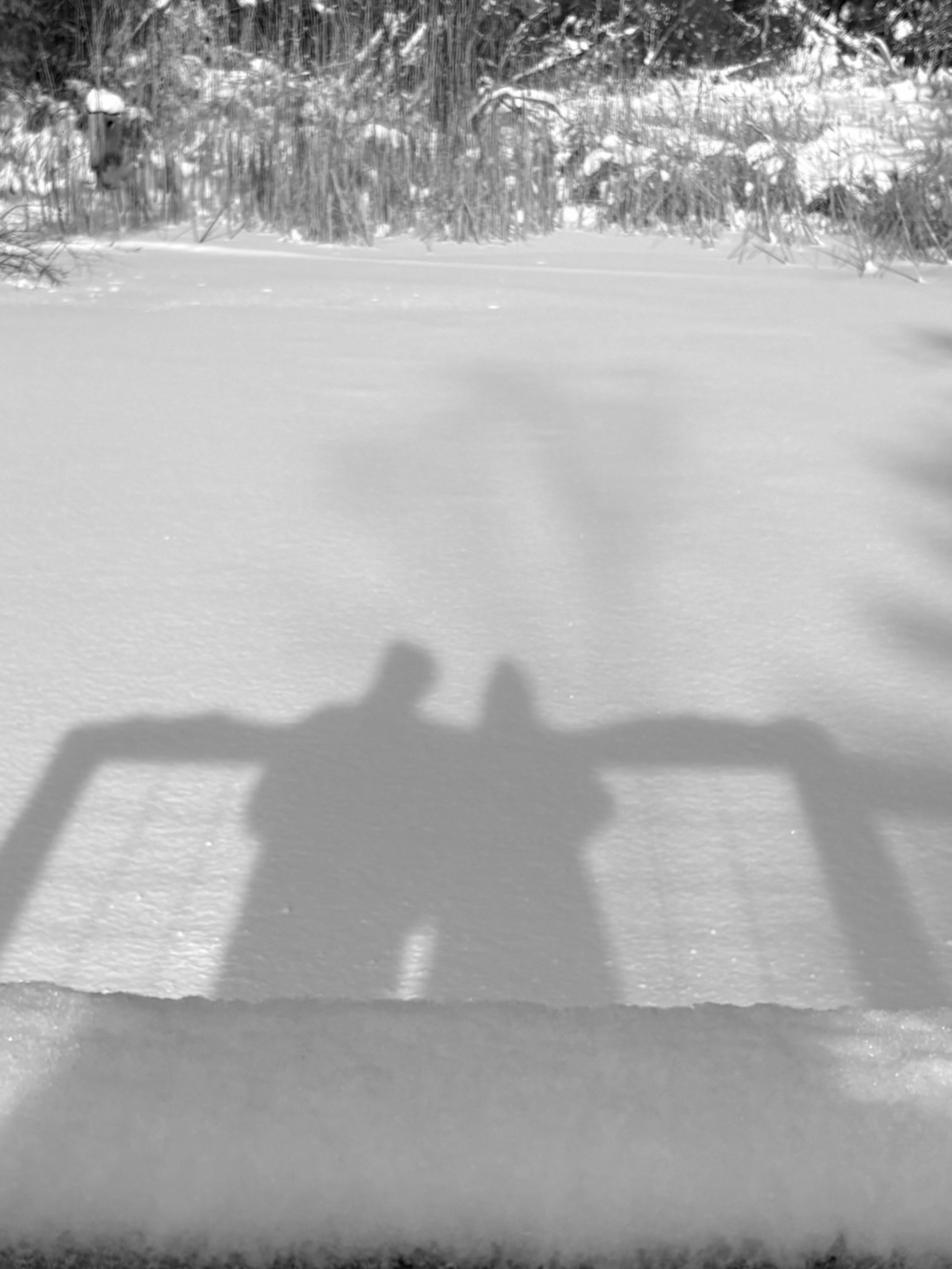
    On walks through the Arizona neighborhood where we are staying, many yards have been let go because of the severe ongoing drought. Prickly pear cacti that often look plump and rosy are shriveled and wrinkly. Shrubs and trees are brown and brittle—not dormant, but dead. Here and there, homeowners have planted clumps of yellow and orange flowers. In the struggling landscape these small patches are obviously tended and watered. I understand the wish to cultivate one small burst of joyous color.

    My husband and I are grateful for our escape from Minnesota’s frigid cold (-11 degrees air temps the morning we left). While here, I could easily drift into wondering about our sons, their wives, and our granddaughters (everyone’s OK, but thinking about them is a hard habit to shake). Dismay and foreboding about our democracy remain a dark undertow. 

    However, my husband and I are mindful we are lucky to be getting away, so we tamp down those concerns and tend to our joy. Notice the sun on our shoulders, blue sky and high wispy clouds. Hazy mountains in the distance. Soft 75 degree breezes. The pleasure of patio dining and hearing birdsong again.  

    We take the break. Turn toward happiness. Are almost carefree.

  • Another Crisis

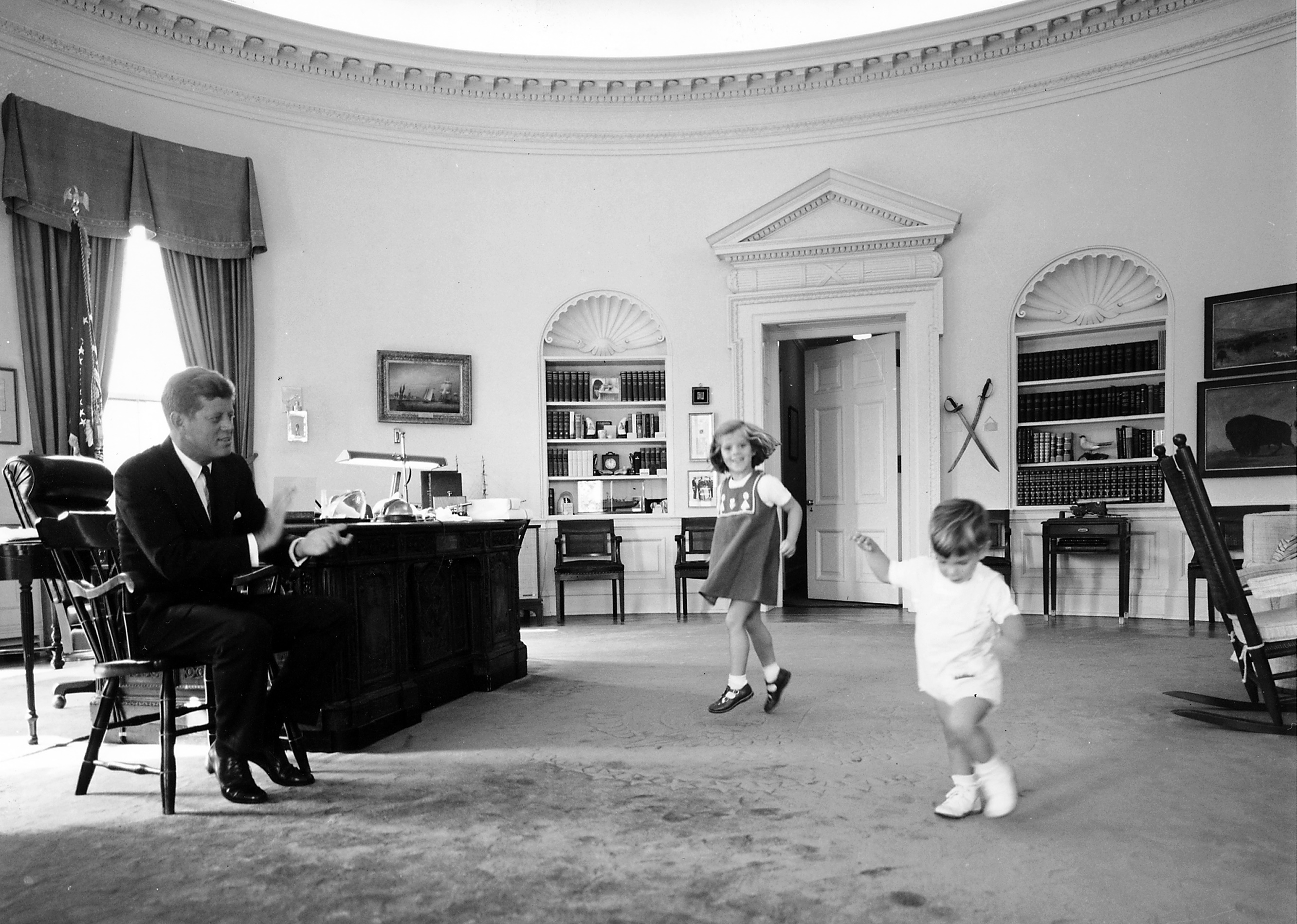
    My family moved from Luxemburg, Wisconsin, population less than 500, to Milwaukee during the summer of 1961. From a grade school with eight grades spread over six classrooms, my brother and I were enrolled in a Catholic elementary school with 150 kids in every grade. We had never seen so many kids. 

    The first year was rough on my mother who no longer had a part-time job, a bowling league, or knew the names of everyone in the parish. She didn’t even know the names of women on our block. By the summer of 1962 life could be testy in our household. My great-grandmother moved back to Luxemburg and took me with her at the start of summer. 

    Our second school year began with more confidence and my mother found a seasonal job. She was happier. Until October 16 when the beginning of the Cuban Missile Crisis moved the world toward danger. People were deeply afraid that Cold War was morphing into actual war with Russia, including missiles falling on the United States. Adults knew about the horror of war. Kids were directed in useless duck and cover drills, crawling under our desks with our hands over our heads.

    My mother wanted to be in our Luxemburg home with its dug-out basement, food cellar and indoor pump. Our Milwaukee ten-year-old ranch offered no place to hide. It was too late to build a bomb shelter. She emptied the clothes closet in a spare room, brought in blankets and pillows, water jugs, crackers, peanut butter and other food plus towels, tissue and a bucket. She listened to the radio constantly. We went to bed fully dressed. October 28, she woke us with orders to get into the closet. Blankets had been placed over window curtains, a rug rolled at the bottom of the door. We listened to news coverage throughout the night. The crisis was averted. Nerves remained raw for years.

    We’re back to practicing some odd form of duck and cover. And it is just as useless. The stakes are high for every citizen and much of the world.

    Square