
Category: urban life

  • Downsizing is a Seismic Shift

    Downsizing is a Seismic Shift

    The move looked like upheaval, but changes had reverberated through our lives for several years before my husband and I sold our house. Our sons no longer needed us daily, so we had stepped back into an advisory role. We focused more on fun, less on careers. The shift—from raising children and working full-time—was as natural and inevitable as tectonic plates moving.

    Our old house
    Our old house

    We dreamed of a new life. The vision was a little vague—we wanted to live in the Twin Cities instead of the suburbs, in a neighborhood where we could walk to shops and restaurants, in a house with more character, less yardwork.
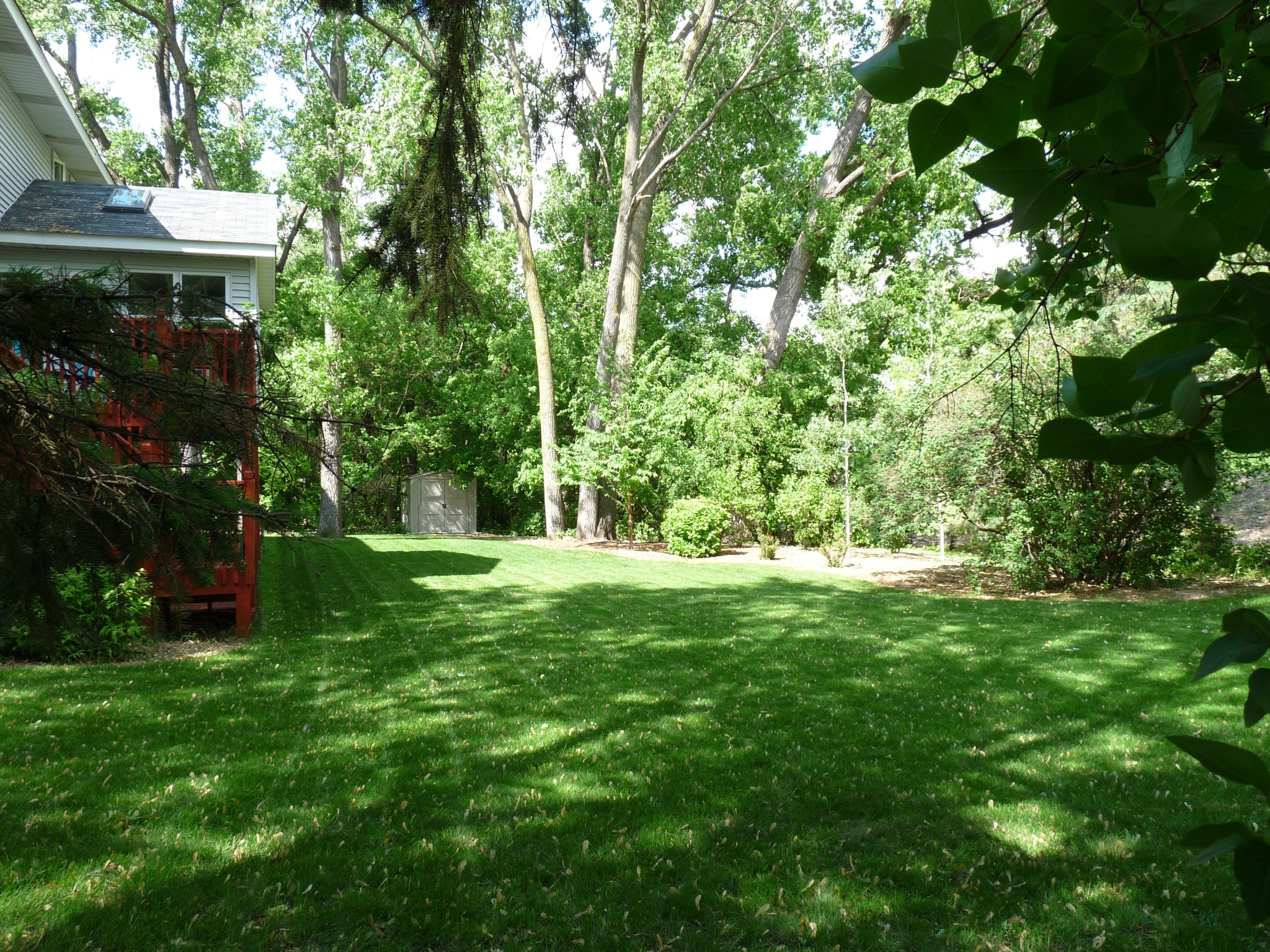
    our old backyard
    Our old backyard

    What we chose is a 90-year-old, story-and-a-half house with a postage stamp-sized yard to replace our 40-year-old, three-story walkout with a generous yard.

    Our new house
    Our new house
    New yard
    New yard

    But the change is deeper and broader than square feet and location. We chose a life that offered new possibilities. We are counting on ourselves to invent the life that goes with it.

    Although I’m pleased with the new home we chose, occasionally I feel disoriented. Everything that was familiar has changed. How much room we need. How much activity we want. How much noise we can stand. How to stay connected to people who no longer live nearby. How to be good citizens in a city of activists.

    Sometimes I feel like I’m on good behavior here. I pick up clutter and put away dishes obsessively—which goes against my messy nature—but I’m trying to learn new ways. I think carefully about what we bring into this house since we have so much less space. We gave away many of the fine things we’d accumulated during the past 25 years. Once we’d unpacked we needed to give away even more. But really, how much stuff do we need? And why? The habit of coveting is hard to break, though.

    Walking around in my nightgown with the blinds down is odd, but our windows face the neighbors’ windows and I value my privacy. I’ve had to get used to locking the doors with a key. All the time.

    But eating breakfast in the glow of the little lamp on the buffet is cozy even if the blinds are drawn. My gardens are so small that caring for them is fun now instead of drudgery. I like walking to neighborhood coffee shops and hiking alongside the creek. The energy and variety of the city appeals to me. Most days, I drive toward my new home without lapsing into autopilot and heading south of the river.

    The bedrock our lives—raising children and working full-time—has given way. The foundations of our new life are couplehood, part-time work, and fun.

    We’re still figuring out what our new life should consist of. So we rearrange the elements we want to keep (good meals, time with friends and family), discard ideas and activities that no longer fit (PTO and soccer practice), and relish the new possibilities (guitar practice and art history classes for my husband). For me, the choices are yet to be determined. I’m making it up as I go along.


  • When did cell phones become a cure-all for awkwardness and boredom?

    I sat in the classroom feeling awkward. The students were on break—some of them chatting in Chinese or Spanish, a relief for them after the rigors of learning English. Others were stretching their legs. I had 10 minutes until class resumed and I was once again a tutor.

    I reached for my cell phone and began checking emails. Not that I was expecting anything important, and indeed, none of the emails required my urgent attention. But I looked busy. Important, even.  Anybody looking at me might have thought I had vital emails that must be attended to NOW.texting

    When did cell phones become a cure-all for awkwardness and boredom? Why did I succumb to the feeling that I have to be connected and productive at all times?

    Before I became addicted to my electronic devices, I could amuse myself if I had a spare 10 minutes. Instead of isolating myself from interactions by fiddling with my phone, I might have wandered around and talked with someone. Maybe not my students. They’d be polite, but sometimes they need a break from “Teacher,” as they call me. But I probably would have found someone from another class.

    Or if I wasn’t in the mood to talk, I might have gone for a walk. I could have quietly thought my own thoughts without needing to look busy. I might have sat in the atrium people-watching. The clothes, faces and manners of the new Americans who are learning English tell a story—something the writer in me finds interesting.

    Before cell phones became so widespread, I would have thought it was fine to spend time doing nothing much. If I really really wanted to be productive, I could have planned dinner and made a grocery list.

    But none of those options occurred to me, because without meaning to, I have learned to engage with my device instead of with people. And I’m not alone in this behavior. A recent study of college students in 10 countries found that they “literally didn’t know what to do with themselves” when they had to live without their smartphones and other electronic media for 24 hours. And Arianna Huffington acknowledged this issue when she issued her challenge to unplug for seven days.

    With my cell phone handy, I don’t have to risk the slight discomfort of exchanging pleasantries with people I don’t know. I can talk with people who are far away, but I’m less likely to connect with the people close at hand.

    My phone rewards me with a sense of purpose—fake busyness in this case—but it helps me pass an awkward or boring moment. And it’s always there. Somehow I’ve let myself get sucked into feeling that because I can be connected, I must be connected. Really? Why? I didn’t need to know right that minute that my online order had shipped or that a blogger I like had posted something new.

    Don’t get me wrong–I’m not getting rid of my cell phone any time soon. Cell phones have vastly improved many kinds of communication. But I do want to restore my ability to cope with boredom and discomfort without resorting to my phone. I do want to be more mindful of the ways cell phones can isolate people instead of connecting them.

  • Trying on a New Lifestyle for Size

    My husband and I have been peeping in strangers’ closets. Opening drawers. Pulling aside shower curtains. Wandering in backyards. That’s what house hunters do.

    Now that our nest is nearly empty, imagining a new urban life is fun. Can we embrace alleys? Funky one-car, unattached garages? Being able to see into our neighbors’ windows just across the way? Hear their TVs? I don’t know, but we’re trying to find out.

    We’ll definitely enjoy being closer to the lakes and rivers that the Twin Cities are known for. Walking to neighborhood restaurants and coffee shops sounds good, too.

    But it’s odd to step into these intimate spaces and glimpse the telling details of a stranger’s life:

    One house has a small bedroom has a single bed with a flower power bedspread. A teal formal dress hangs from the closet door. Inside are classic black Converse sneakers. What does this teenage girl dream of when she lies in that bed—the homecoming dance? Wandering around a college campus in those sneakers?

    In another house, there are two much loved cats. They have cat beds, food bowls, and water dishes upstairs and downstairs, so the kitties won’t have to go far for a drink and a snack. In the living room, two middle-aged women with their arms around each other smile out from what appears to be an engagement photo.

    The next place we visit is across the river. The front door handle comes off in our hands and the backyard is full of weeds. The carpet is old and shabby and the bathroom has mismatched tiles. A motorized scooter sits in a corner of the kitchen. This place is sadder than the first two and looks like the owner was too ill or too tired to keep up with maintenance and yard work.

    Another place we see has great landscaping and a newly remodeled kitchen and bath. It looks as if the family has out-grown the house. Upstairs is a pink little girl’s room with a large girl-sized decal of a purple My Little Pony on the wall.  She has her whole life ahead of her, but it will be in a new house.

    We too have a whole new life ahead of us—maybe in a year or two it will be in one of these neighborhoods.  For now, we’re just trying on this lifestyle for size.

    Big porch

    Stucco w red door