Category: Parenting

  • Lessons Learned on a Sick Day

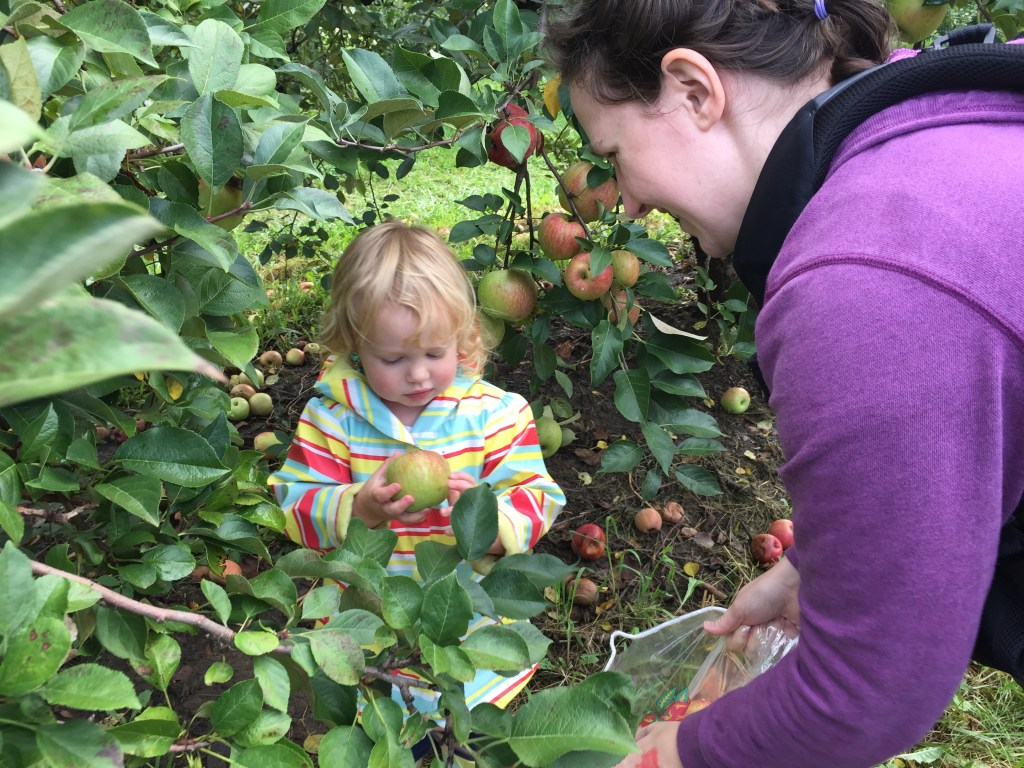
    She was up barfing at four. When I arrived hours later, she had pink cheeks, a kitty ears headband, and was play-ready. She assured me it wasn’t really being sick to barf, but pre-school wanted her to stay home. She was sad Mom wasn’t staying home, sad to miss her friends, but game for whatever Grandma brought to the day.

    Lemon-lime soda was no longer needed. Water was fine. Munching many plain saltines and a cup of dry cereal made up for a missed breakfast. Within minutes we were on the sofa deep in a Brain Quest card deck working through sequencing challenges, adding, matching letters and words, talking about calendars and telling time on old-fashioned round clocks.

    Those clocks sparked the first pronouncement of preschool wisdom. She thought I must have had a clock with numbers in a circle because I am old. I corrected that statement to older. She didn’t buy the change. A teenager had given me the same look when I asked if the general store in a small town carried watches.

    With interest in Brain Quest waning, I suggested we start an art project. She turned down the idea because she said she loved to learn things. There wasn’t anything better she could have said if she hadn’t finished with a sympathetic sigh before sharing that it was sad that old people couldn’t learn stuff. That’s not true I replied and told her about a friend who learned another language to work with immigrants, another friend attending university classes, my own tap-dancing studies. She frowned and said maybe I had special friends. That I do.

    Even at her age I couldn’t do backward summersaults, so she had me at that, but I didn’t expect to frighten her when I got down on the floor to do a plank next to her. Old people could get hurt doing planks she said. I replied anybody could get hurt doing planks, but we were both strong because we could hold a plank for almost a minute. Then I sat back to watch her attempt head stands and intricate twirls.

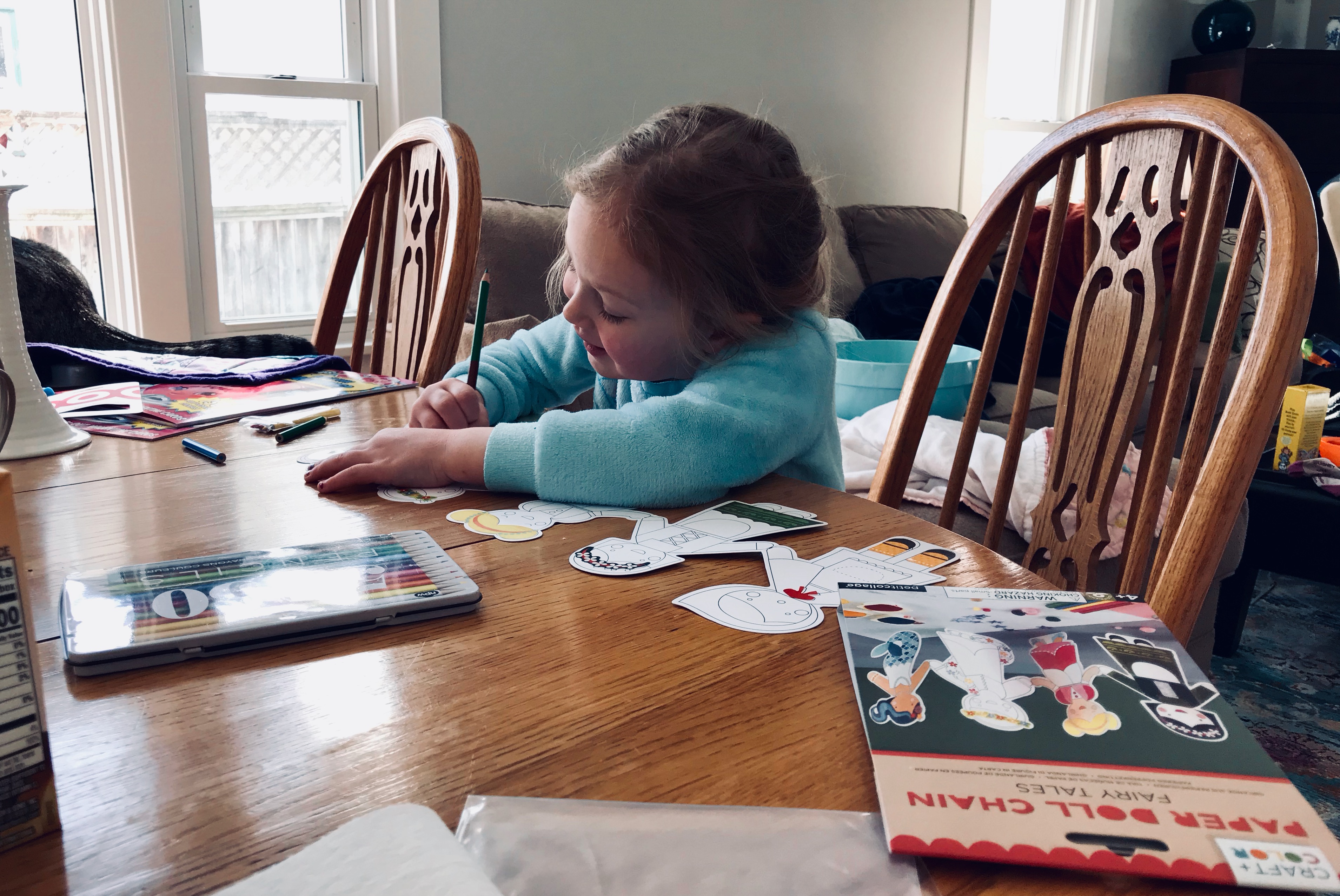
    We rounded out the day with dressing the cat, coloring paper dolls, and baking a chocolate cake. She looked tired, but happy. Her mother looked tired after an important work day. And grandma drove home, happily tired out after an unexpected play day.

    IMG_6051

  • Santa and the Spirit of Christmas (Spoiler Alert!)

    We began an elaborate hoax when our sons were toddlers. Santa lived with his elves in a toy shop at the North Pole. He drove a sleigh pulled by magical reindeer. Somehow Santa brought presents for kids all over the world all in one night. Sometimes I wondered why I was perpetuating the myth, when I would just have to explain it away later.

    As little guys, our sons couldn’t distinguish make believe from so-called reality. There was God, who they couldn’t see or understand, Power Rangers who got rid of bad guys, and Barney, a singing purple dinosaur. Why not Santa? Plus, the fiction was bolstered by family, at daycare, in stores, and by songs, movies, and books. The idea of Santa would have been hard to resist, especially since their friends and neighbors were also being indoctrinated. But when it came right down to it, we likedthe idea of magic and spreading joy.

    So, we were committed. When the boys mentioned toys they liked, we took note and occasionally reset expectations (Santa brings presents to so many kids. He probably can’t give 160-piece Lego sets to everyone.) We hung stockings and filled them with never-seen-before candy on Christmas Eve after the guys were asleep. Along with the wrapped gifts from us, we set out unwrapped gifts from Santa. We encouraged the boys to leave cookies and milk for Santa. My husband and I enjoyed the cookies, but left one with a bite out of it along with a thank you note from Santa. Christmas felt magical.

    Eventually, our sons grew older and began to wonder if Santa was real. Then I explained that Santa was make believe, but the spirit of Christmas isn’t. At Christmas, many people are more generous, more loving, and act better than they have to. Over the years, people have done incredible things in the name of Christmas, like the Christmas Truce of World War I in 1914. As part of my explanation, I also swore my guys to secrecy. They were under strict orders not to tell their friends what they had learned—they should let other kids’ parents explain it. Our sons understood the responsibility and wanted to help keep the magic alive.

    I don’t know how our sons will handle the topic of Santa if they have children, but if they carry on the tradition, I’ll be a willing co-conspirator.

  • Are You My Mother?

    Are You My Mother?

    In the classic children’s picture book Are You My Mother? a newly hatched bird falls from its nest and wanders about asking that question of a kitten, a hen, a dog, and a few inanimate objects. He is clueless about his own identity and terribly lost.

    You may have been nurtured by a mother possessing all the perfection of Caroline Ingalls or struggled through childhood with a parent who took lessons from Hamlet’s Queen Gertrude. For most people growing up in Mom’s kitchen fell in a more safe and boring middle ground with measured opportunities to learn about yourself and the world. A place where Mom, trusted adults, books, television and other kids helped answer questions whether insignificant or intense.

    The maker of peanut butter sandwiches, enforcer of daily tooth brushing, comforter of physical or emotional injuries, was just a woman who happened to be older than you. She wasn’t gifted by the gods with amazing knowledge, a graduate of a secret parenting program, or anywhere near perfect. She didn’t know why 9/11 happened, how to stop social injustice, who to call about global warming. Her job was to make sure you felt loved and protected, often difficult work in an imperfect world.

    Discovering that your mother has a masters in labor economics, hides a bag of bodice busters in the closet, holds strong feelings about mutual funds versus annuities, was married before she met your father suggests a richness in this woman’s life that has nothing to do with your existence. This is the school where she learned the mirepoix that flavored every scold, joke or counsel.

    Even when the person who mothered you becomes too old or fragile to cook a really good dinner or read a favorite author without help, there will still be unknowns to explore in the woman who taught you to fake burp, to connect cables on a sound system, to ask your boss for more responsibility, to speak in many voices so your child giggles as you read Are You My Mother?.


    Reprinted from cynthiakraack.com May 9, 2015