Category: money matters

  • Chasing Spring

    The youngest member of the extended family is crawling and wanting to walk. His four-year-old sister prefers hitting a softball that is pitched, not set on a tee. The older cousin is closing in on successfully completing her first year of middle school. They are progressing in predictable ways that we all celebrate.

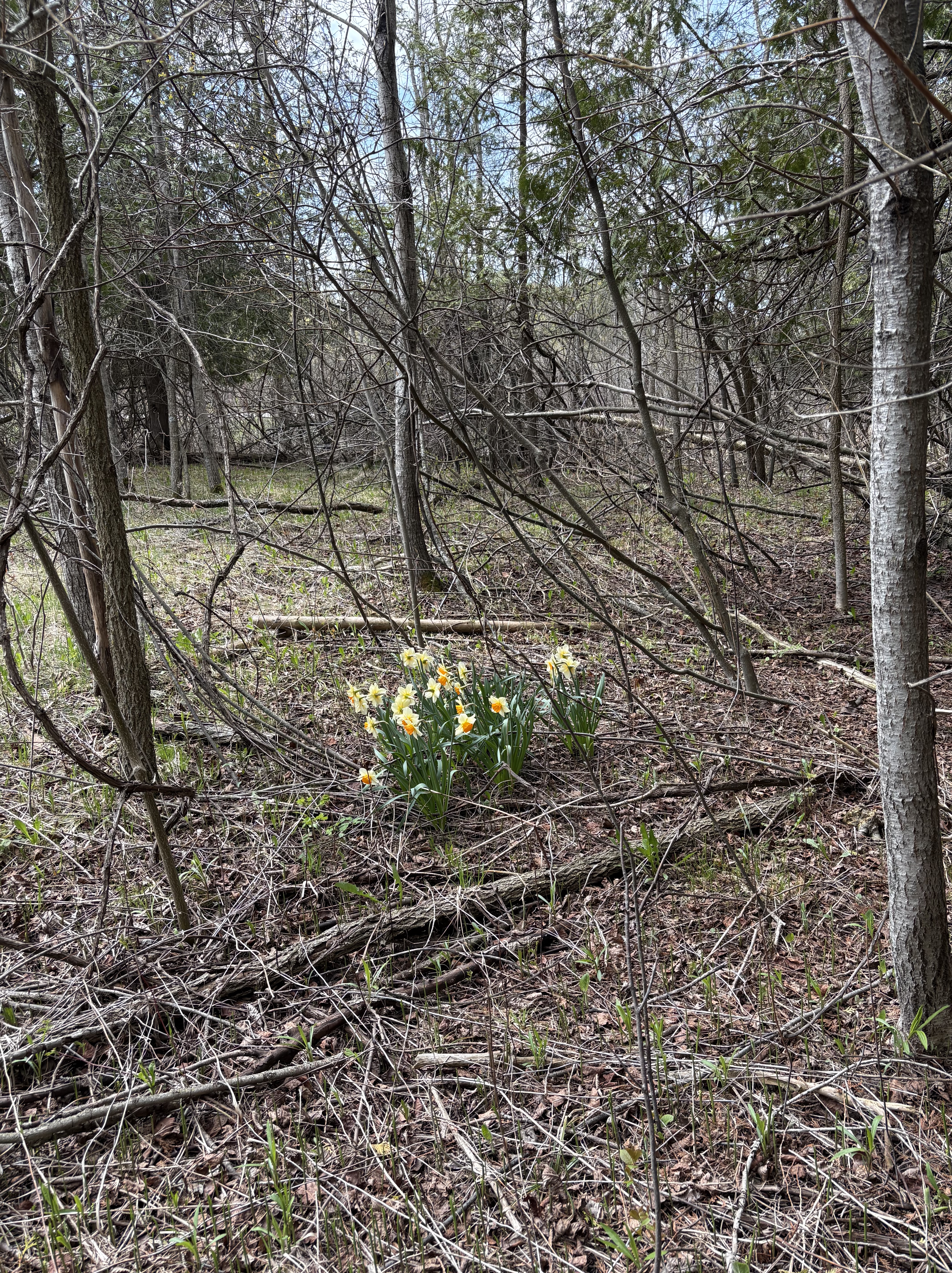
    If only the spring of 2026 would be as predictable instead of posting temperatures inspiring sundress wearing one day and tumbling forty degrees in a handful of hours. Snow, sleet, ice, rain and sunshine can be experienced during a school or workday. In the cities frequent snowstorms topped with melt and freeze have turned streets, even major thoroughfares, into pothole disasters. In the Midwest, farmers ducks float where spring fieldwork should be happening. 

    We could accept Mother Nature’s uncertainty in April. In May, we are done with heavy fleece jackets and would like to get the kids out of shoes that were worn a size too small through late winter snowy, slushy weather. But we’ll wait until spring really settles in. Money is as tight as the kids’ old shoes.

    Farmers can’t afford the same amount of fuel and fertilizer they ordered in 2025. Families don’t talk about summer vacation travels. Many worry about the coming expenses of feeding kids two additional meals much less extra day care or camp programs. We’re putting in vegetables where marigolds or coleus filled garden spaces. It makes sense if you have the time. Teach the kids about gardening and tending vegetables instead of using gas on unnecessary shopping trips. Maybe neighbors can pool childcare to save money. This might be the summer the grandparents are able to host grandma camp, or a cousin would appreciate getting out of their own home to hang out with the youngers.  

    It’s been a rough year and we can weather this. The kids want to spend time with their parents whether on a lake or in a community pool. We made it through Covid with its isolation and money squeeze. We supported each other through the Ice surges. Now we must figure out soaring gas prices and inflation. If we share with each other from what we have for a few months, we can manage a decent summer.  If spring will truly let go.  
  • Money Matters

    As anyone who knows me will tell you, I listen to a lot of podcasts. A few weeks ago, I discovered a new one: small change—Money Stories from the Neighborhood.

    Hosted by entrepreneur Twila Dang and Minnesota Public Radio economics reporter Chris Farrell, the podcast disrupts the notion that people with low or unstable incomes don’t know how to manage money. To the contrary, they are often the most creative and collaborative when it comes to doing so.

    I’ve listened to all seven episodes that have been released so far, but one in particular got me thinking about the smart money lessons I learned from my parents, both of whom were born into the Great Depression and grew up on modest family farms, my dad in western Minnesota and my mom near St. Cloud.

    My parents, Vi and Jim Bachel

    Their philosophy was “live off what you have.” This, combined with the fact that my dad supported our family of seven on not much more than $20,000 a year, led me to learn important money lessons that have made a huge difference in my financial wellbeing. Here are a few:

    Lesson No. 1: If you don’t have the money, don’t buy it. I never saw my parents use a credit card. Other than the utility bills my dad paid by check every month, my parents paid cash for everything from groceries to Catholic school tuition to an occasional new car. They kept meticulous track of how much money they had via their Midwest Federal Savings Passbook.

    Lesson No. 2: If you want more money, ask for it. I learned and was reminded of this lesson just about every week when my stay-at-home mom asked my dad for money for groceries. No matter how much he gave her, she always asked—and often lobbied vigorously—for more. Sometimes she got it, sometimes she didn’t. So, midcareer, when I was offered a job with a consulting firm, I took a deep breath and asked for—and eventually received—a pay increase, a signing bonus and an additional week of vacation.

    Lesson No. 3: Don’t be afraid to haggle. I can’t recall the exact amount the seller of my house was asking, but I was do know I was prepared to pay that amount. That is, until I talked to my dad. He advised me to offer considerably less, so I did. The realtor told me the buyer would be insulted by such a low offer. He was. But he eventually agreed to sell me the house for considerably less than his original asking price and only $3,000 more than my original offer.  

    Lesson No. 4: Always get three estimates. Now that the pandemic has me hunkered down at home, I’ve been getting estimates for long overdue home chores, including painting the exterior of my home as well as the upstairs. In soliciting the estimates, I’m doing just what my parents taught me to do: calling three contractors. Their estimates range from roughly $5,000 to $20,000+, reminding me once again of the value of my parents’ advice.

    Lesson No. 5: Save for retirement. Thanks to my parents’ urging, I started saving for retirement in my early 20s, when I got my first full-time job. It was at Honeywell. While I’m unsure how much I saved in the two years I worked there, I still have a 1984 Retirement Savings Plan statement showing that I contributed $55.94 in the fourth quarter of that year and had a yearend balance of $233.48. While that doesn’t seem like much to me now, I’m certain it did at the time.

    I’m also certain that these and other money lessons I learned—from my parents, as well as friends, colleagues and podcasts such as small change—have made a huge difference in my financial wellbeing.

    How about you? What money lessons did you learn…and from whom? And how have those lessons impacted your own financial wellbeing?