Category: Holidays

  • A CHRISTMAS DILEMMA

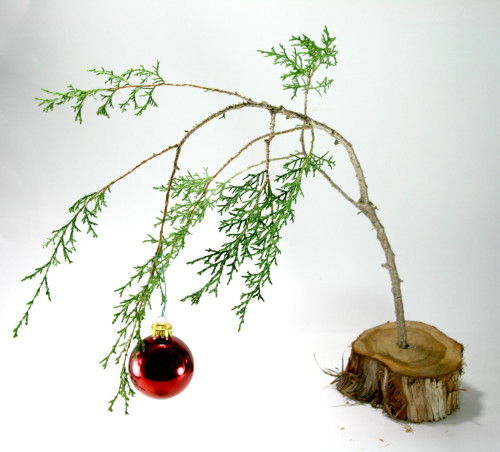
    brown treeJody and I have a dilemma. Our kids have Christmas all year long. They don’t want for anything.

    Well, of course, they have a Christmas list. But … Antonio won’t get a hoverboard. He won’t get an upgrade to his iPhone 6. And, Crystel will have to wait to meet Ellen DeGeneres.

    Jody and I created our own problem. We don’t wait for holidays or birthdays to gift them.

    Antonio needed cross country boots and skis for Nordic skiing. We went to Sports Authority, our default store. We learned that they do not carry cross country boots or skis. While there, I encouraged Antonio to pick out five pairs of sweat pants and tops, his default clothing of choice. I had noticed his pant legs were creeping up. In my day, they called those “high water pants.”

    Then we went to Dick’s, and they also didn’t have what we were looking for but they had socks for Antonio.

    Finally, at REI we purchased the cross country boots, which we would end up returning because they were the wrong style. Still, while we were there I encouraged Antonio to pick out some dehydrated meals to try at home – anticipating his Boy Scout trip to Alaska in August of 2016.

    The original purpose of our trip would prove fruitless yet bountiful for Antonio.

    I mentioned the ‘Christmas all year long’ concept to Antonio and Crystel.

    Though they didn’t disagree, they were not wild about my conclusion. I suppose they imagined a bare tree. Not hard to do when there isn’t even snow on the ground in Minnesota.

    Still there has to be something under the tree for them. Something they don’t yet want.

    Then there it was – snow boots. They need snow boots. Antonio will be taking a couple of winter camping trips with the Scouts. And Crystel’s no longer fit her. 

    This may be the biggest surprise of all on Christmas Eve, since its December 21, 2015 and there is no snow on the ground in Minnesota.


  • Thanksgiving Almost Gets Lost in Translation

    Tutoring adult immigrants in English invariably leads to explaining American culture. Since it’s November, we have been discussing Thanksgiving. We talk about the pilgrims being hungry because there was a bad harvest. Our textbook includes illustrations of Native Americans introducing the pilgrims to local foods. I describe a traditional Thanksgiving meal. When I ask if they and their families will celebrate Thanksgiving, most of them shrug. They find it hard to relate to pilgrims or our Thanksgiving rituals.

    It isn’t because the immigrants aren’t grateful. They are. Grateful to be in the U.S. Grateful for opportunities and the ability to live in relative peace.

    Traditional Thanksgiving foods don’t make sense to my students.

    It’s hard for my students to understand why roast turkey is the centerpiece of a celebratory meal. They are familiar with chicken seasoned with cinnamon, coriander, and tumeric in a tagine. Or chicken and vegetables made with garam masala. Chicken spiced with hot chilies and added to posole soup. Chicken stir-fried with ginger, pea pods, and bok choi. But slabs of dry, tasteless turkey?

    Many native-born Americans aren’t excited about turkey either, as evidenced by endless recipes centered on making it palatable. A whole industry (how-to articles, turkey hotlines, menu planning and recipe articles) has sprung up to help cooks successfully prepare this old-fashioned meal.

    It’s hard to connect with a tradition that began almost 400 years ago.

    Our lives are very different from those of the pilgrims. For native-born Americans and immigrants alike, the first Thanksgiving in 1621 is just a picture in a book. The pilgrims’ reality that a poor harvest could lead to starvation is only theoretical to most Americans. We associate hunger with running out of money before month-end.

    Except for farmers and ranchers, most of us don’t harvest anything. We don’t kill the animals or fish we eat unless we’ve chosen to hunt and fish for sport. Those of us who grow vegetables do so because we enjoy the work. When we do raise the food we eat, it’s a choice, not a necessity.

    Going into a bog to gather sour red berries for a side dish is also hard to imagine. The pilgrims must have been pretty hungry to go to the trouble, especially since cranberries require a lot of sugar to be edible, and oranges weren’t readily available.

    Squash may be the only part of the meal that my students can relate to. Africans, Indians, Pakistanis and some Central Americans eat squash. They don’t usually cook it until it’s mushy, flavor it with sugar, nutmeg, and cloves and bake it into a pie, though. Aside from foodies, most native-born Americans wouldn’t bother harvesting and processing pumpkin for pie either. Pumpkin is something that comes in a can and costs less than $2.00. Why work that hard?

    Although the connection to pilgrims and the foods they ate is tenuous, native-born Americans are willing to eat roast turkey, cranberries and pumpkin pie, because we grew up with them and they’re traditional. However, that menu is unfamiliar and unappealing to my students.

    I reduce Thanksgiving to the basics to help my students identify with it.

    I tell them that the pilgrims were immigrants, too. Life in America was harder than they expected. They were hungry. The people who lived here—Native Americans—helped the pilgrims. The pilgrims learned to eat odd foods so they wouldn’t starve. It’s good to gather with family and friends, eat good food (whatever that may be), and give thanks for what you have.

    We all agree that we have many things in our lives to be grateful for.

    The WordSisters are grateful for you.

  • Pondering Easter Traditions

    Growing up, Mom was the creator and keeper of Easter holiday traditions. She helped us color eggs, and after we were asleep, she hid the Easter baskets. Each one had a name in it so the four of us wouldn’t fight. She made sure we each had the same amount of candy and eggs. She bought my sister and me Easter hats, dresses, shiny patent leather shoes, gloves, and spring coats. My brothers had dress shirts, pants and ties. It was always too cold for the summery clothes we wore to church. But every year she lined up the four of us next to the tulip garden for a photo. Year after year, she made ham, au gratin potatoes, fruit salad, and Mimmie, my grandmother, brought coffeecake. It was work, but all I saw was the joy Mom took in those traditions.

    My husband, sons and I don’t live close enough to be a part of my parents’ celebration and our own observances are hit or miss. When my sons were young, my husband and I traveled to his parents, and I bought the Easter clothes and candy and sent the greeting cards. We all went to church despite my ambivalence about Catholicism.

    Over the years, the old ways had begun to seem hollow instead of joyful. I told myself that it was better to lighten up and let go. We would invent new traditions and keep the day simple.

    In the last ten years since my father-in-law died, we have stayed home. Now that Mom is gone, I feel even more unmoored from Easter customs. I have quit pretending to be an observant Catholic. Easter is a low-key affair. No church. No dress-up clothes. My sons and husband are relieved. None of the four of us likes ham, so we make a big Easter breakfast instead. Mimmie’s coffeecake is the one thing we always have.

    FullSizeRenderWe have gone our own way and simplified our celebration, but sometimes I wonder if I’ve let too many of the old ways slip away.

    Keeping up those rituals tied us to generations of family who did the same things—put on new clothes to symbolize renewal, ate special rich food after a period of fasting, and came together as family because that’s how you strengthen bonds.

    What remains in our minimalist Easter ritual is that my family of four spends the day together, eating good food, talking and laughing. There is little history or religion in our day, but I believe our celebration has what’s essential: it strengthens our ties with each other.