
Subscribe to continue reading
Subscribe to get access to the rest of this post and other subscriber-only content.
Subscribe to get access to the rest of this post and other subscriber-only content.
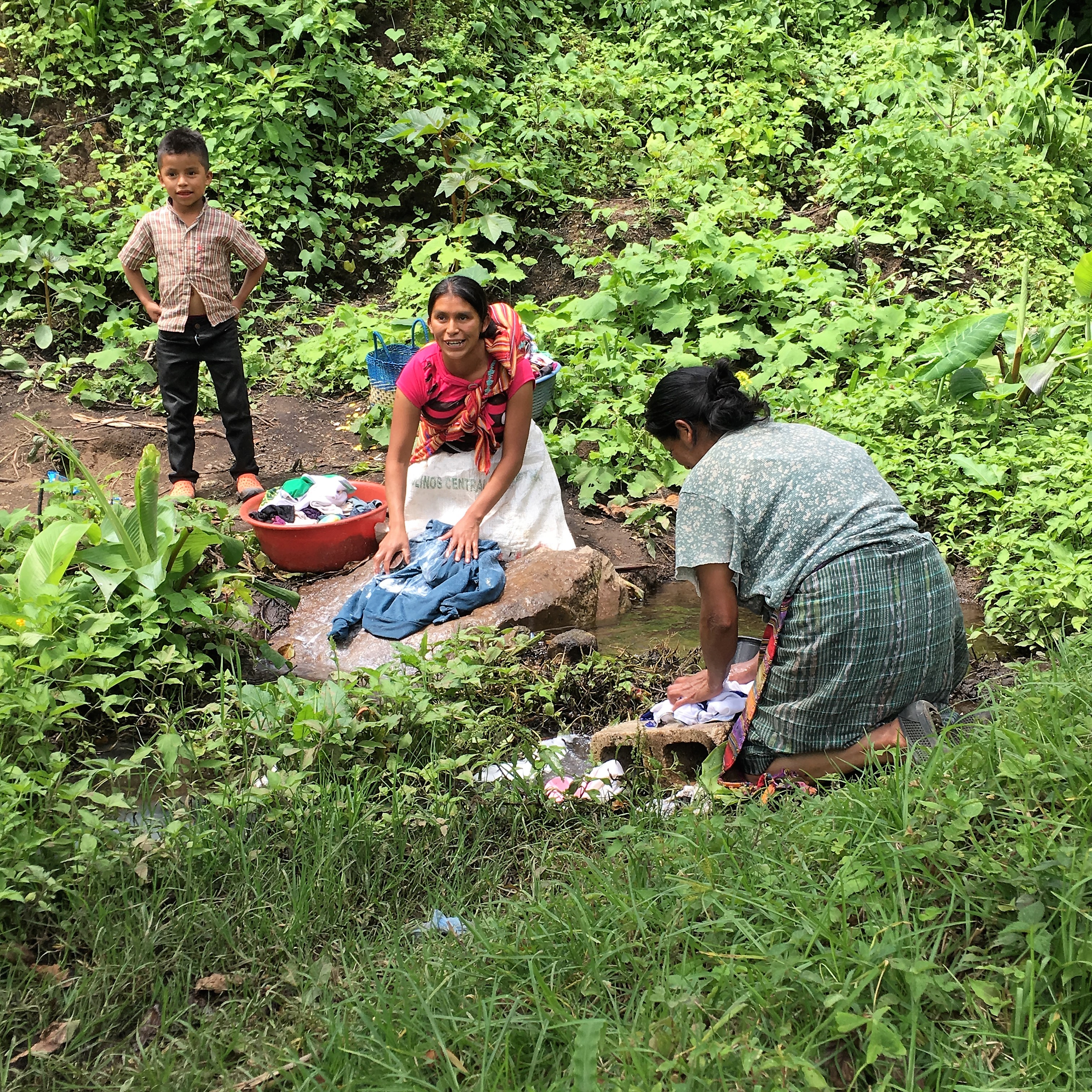
By far, my most cherished moments in my recent trip to Guatemala were observing my children’s happiness. Seeing them smile, listening to their laughter, and seeing how at ease they were in their own skin.
This was our fourth trip back to their birth country. Our first trip was June of 2010 when they were 7. Sitting high on our horses, we walked through villages put together with sheets of tin, boards, paper, and straw. The front and back yards were dirt. Hoses were strung and used for bathing children in a tub. To the dismay of Juan and Crystel, I waved and hollered, “Hola.” They shushed me. “People live there,” I’d say in reply pointing to another shelter. “We know. Ssssh.”
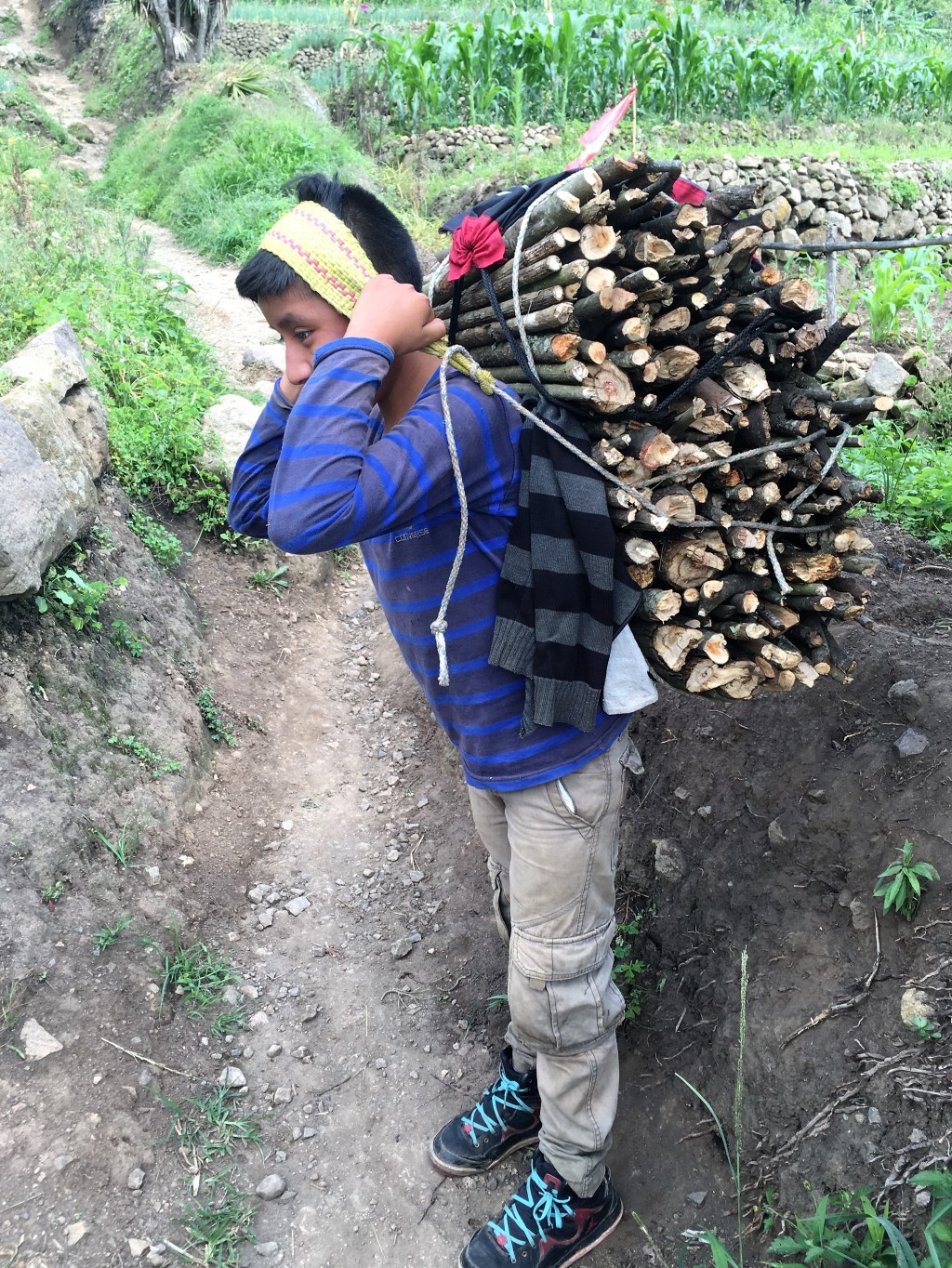
On that first trip, every time I saw a boy with a load of wood on his back, walking barefoot, or planting in the field, I wanted to poke Juan and Crystel. Wake them up to make sure they didn’t miss what I was seeing. The importance of it all. The women carrying heavy baskets on their head, the girls with a baby or small child strapped to their back, meat hanging in the open market, the bright orange lava flowing down the side of Volcano Pacaya.

They seemed to want to run away from the sights.
We were all startled. On our return to the United States, the four of us would have kissed the ground under the Welcome to Houston sign if we weren’t running north as quickly as we could.
Two years later when they were nine, we returned to Guatemala to meet Juan and Crystel’s birth families and to travel to Lake Atitlan.
At Lake Atitlan we had young Guatemalan men as guides.
Knowledgeable about their country and heritage, they answered our questions and shared their stories. It was with Juan and Crystel, that they had a different purpose—to show them that they should be proud to be Guatemalan.
 During this fourth trip, I was even more aware of the relationship that our guide, Alex, had with Juan and Crystel. He had endeared himself to them as well as to Jody and me. He welcomed us and our friends, Pat and Mary, into his home. His family took a day trip with us to Hot Springs Fuenta Georginas, outside of the Mayan Village of Zunil, Guatemala. By sharing his family, his wife and two children, he provided us all with another experience—being around a Guatemalan family in Guatemala and seeing him as a loving father.
Our trips changed me. I no longer felt as if I needed to elbow the children.
This time, I heard Juan say, “Did you see that boy with the three cement blocks?” The Guatemalan boy had stopped to take a rest. The blocks must have matched his weight.
Crystel poked me and held out a fresh sprig of basil for me to smell.

I can still surprise my children. I gave a loud two handed whistle and hollered to let our friends know that the public boat we were on was coming to their dock. I surprised the other Guatemalans as well. This time instead of being shushed, Crystel told me that I needed to teach her how to whistle like that.
My experience is that when difference becomes normal the world is pretty darn awesome.
Thanks to Nancy Hoffman of Guatemala Reservations for introducing my family to Lee and Elaine Beal. We have stayed at Los Elementos Adventure Center on Santa Cruz la Laguna on our last 3 trips to Lake Atitlan. Juan and Crystel would have it no other way. Thanks to the Beal’s for training guides like Alex Vincente Lopez for us who come to learn the heritage of Guatemalans and to see the beauty of the country.
 In Guatemala today, there is an uprising.
“We don’t have medicine in the hospitals. The children don’t have books in their schools. And throughout society there aren’t any jobs and the president hasn’t done anything to help. They’ve just stolen from the people,” said Maria Elena Aquino Gomez, 38, as she sold flags in the plaza. “Guatemala is alive. We’re not dead. And we’ll continue fighting for our liberty.”
The parents of many of the organizers warned them not to get involved. “They grew up in the ’80s in Guatemala, when going out to protest meant death,” said Gabriel Wer, a 33-year-old organizer.
They hoped a few people would show up. Thirty thousand came.
I watch safely from afar, read bits and pieces, and know enough to know that I don’t understand.
Juan Jose had a history before he met Jody and me.
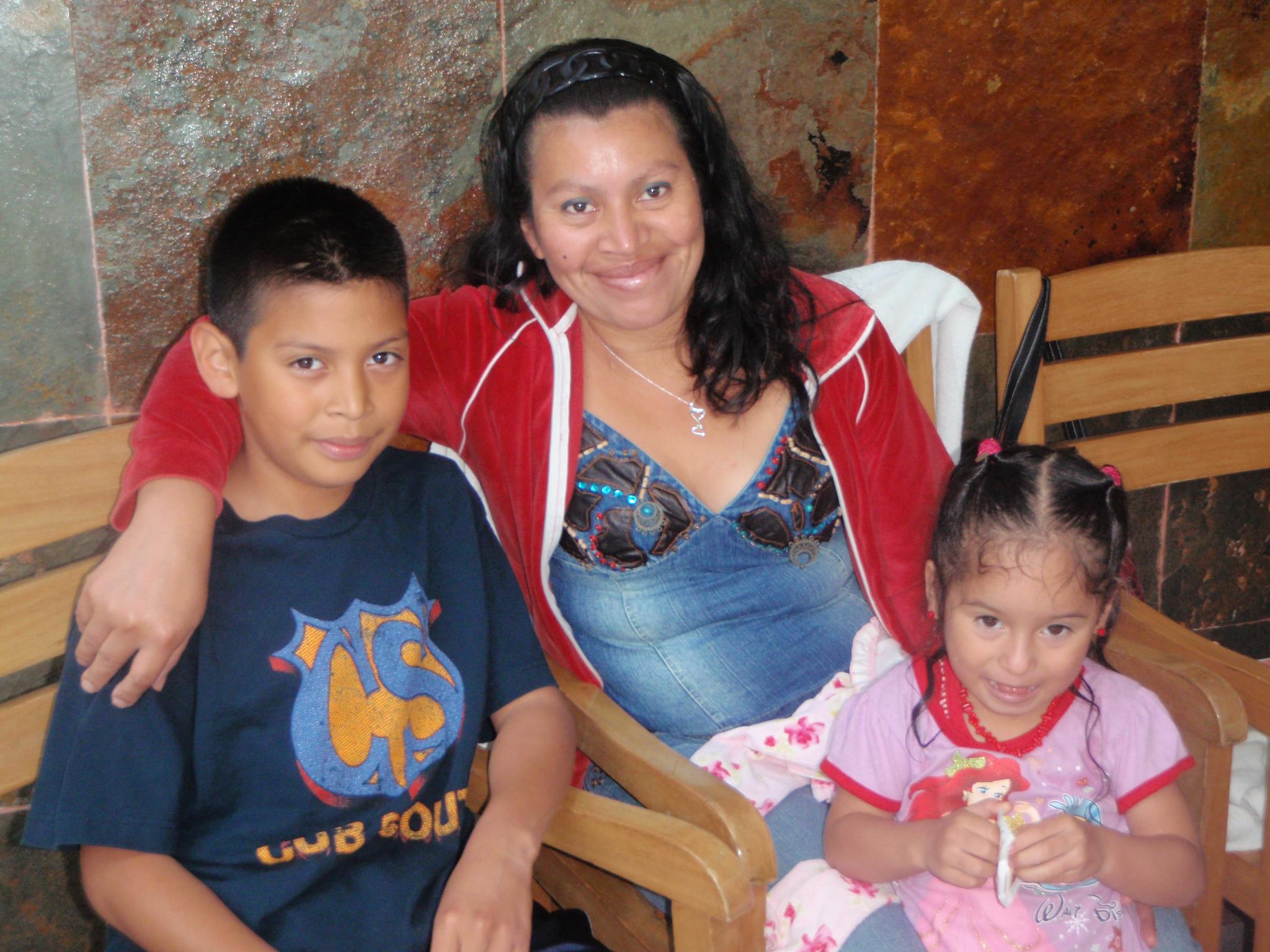
His grandfather died in 1982 during the civil war and his grandmother was left to raise seven children on her own. She couldn’t provide for all, so when his mother was five years old, she was given to an aunt. The aunt treated his mother very badly so she ran back to her mother’s house. The economic situation hadn’t changed, so his mother had to get a job cleaning houses in Rabinal at age 9.
Antonio was 9 when he met his mother, Rosa, for the first time.
“Did you name Antonio,” was one of my first questions. I so much wanted to show her that we honored her by keeping his name.
“No. The adoption people named him Antonio. I wanted to name him Juan Jose. Juan to honor my father and Jose to honor my grandfather.”
Ever since then when Antonio and I meet someone whose name is Juan or Juan Jose we look at each other knowingly.
During our first meeting with Rosa, Jody and I asked her if we could help her with monthly groceries. She said, “No. I don’t want Antonio to think I sold him.”

It was then that I knew the strength and heart of Guatemalans.
Rosa is indigenous and belongs to the Mayan Achi ethnia. She is from Aldea Concul, approximately 10 miles southwest from Rabinal on the Sierra de Chuacus, 5,500 feet above sea level.
Today, she lives in the poorest section of Guatemala City. Taxis won’t drive there. Still, she didn’t want to receive help. More than anything, she wanted Juan Jose’s forgiveness for letting him go.
The Guatemalan uprising resulted in Pérez Molina no longer being President of Guatemala. Perez Molina was a former general who led the most feared branch of a military that routinely massacred citizens during nearly four decades of Civil War. About 200,000 civilians died, one of them being Juan Jose’s grandfather.
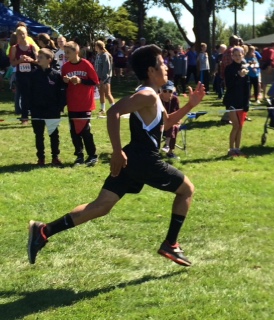
I can picture Juan Jose a.k.a. Antonio running the mountain trails in Guatemala. He has the heart of Rosa.
We will be visiting Rosa next year. She’ll be able to see for herself the man Juan Jose is becoming.
