A Few of My Favorite Things

When I feel world-weary, I actively try to turn away from the world’s troubles and focus on the many good things in my life. In addition to my family and friends, here are some things I enjoyed this past year—art, books, nature. Sorry, no raindrops on roses!

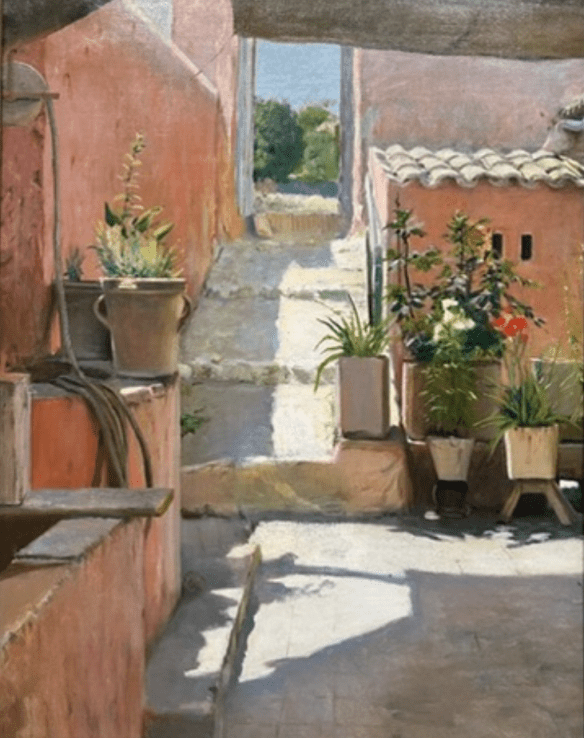
When I saw this painting I wanted to be there.

Patio in Sitges by Santiago Rusiñol

I don’t expect Facebook to offer inspiration, but this post by Saktikana Mitra Basu did.

“Aging doesn’t hurt your body first—it hurts your illusions.

I rebuilt my life on new rules — honest, sharp, practical rules for living with dignity.

Rule 2: Your health is your real jobRule 6: Protect your peace like it’s your property”

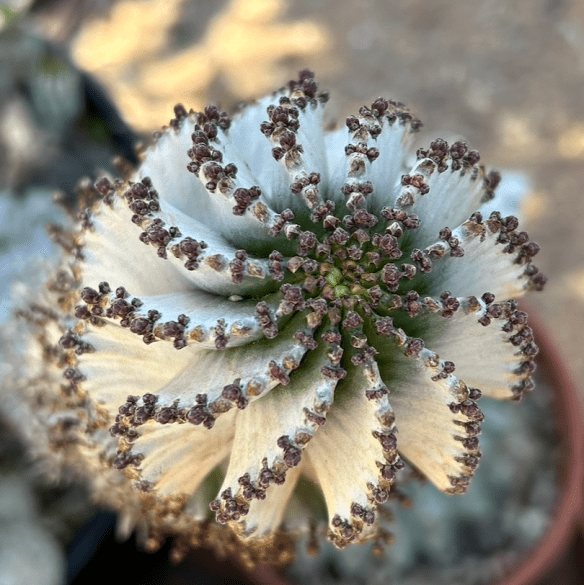
Starburst symmetry

Tucson Botanical Garden

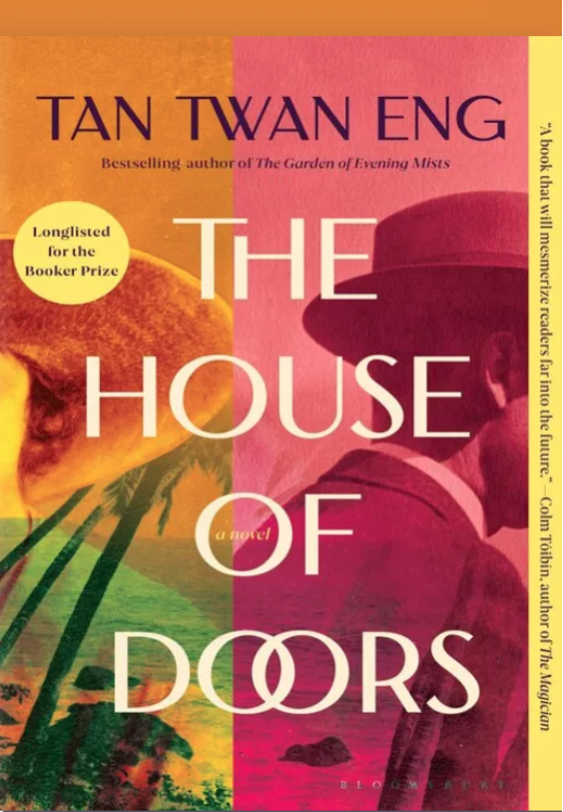
Beautiful writing about an interesting time and place—Malaysia in the 1920s

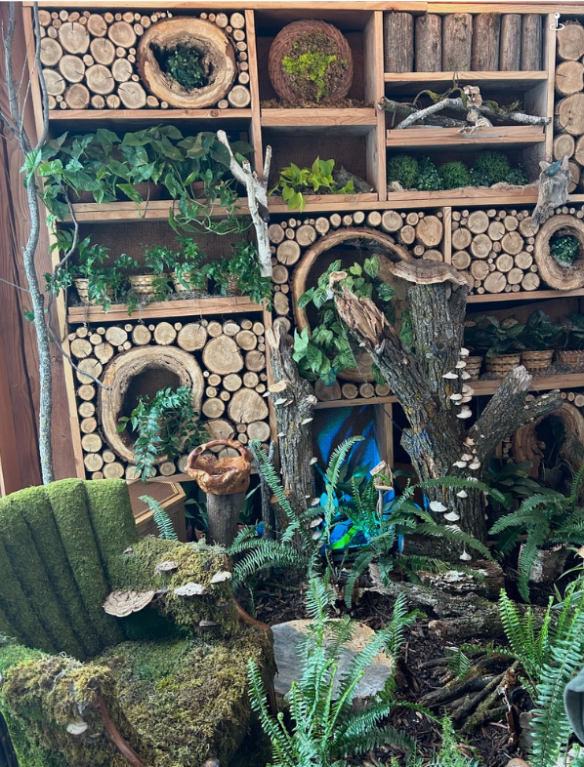
Early spring display at the University of Minnesota Arboretum

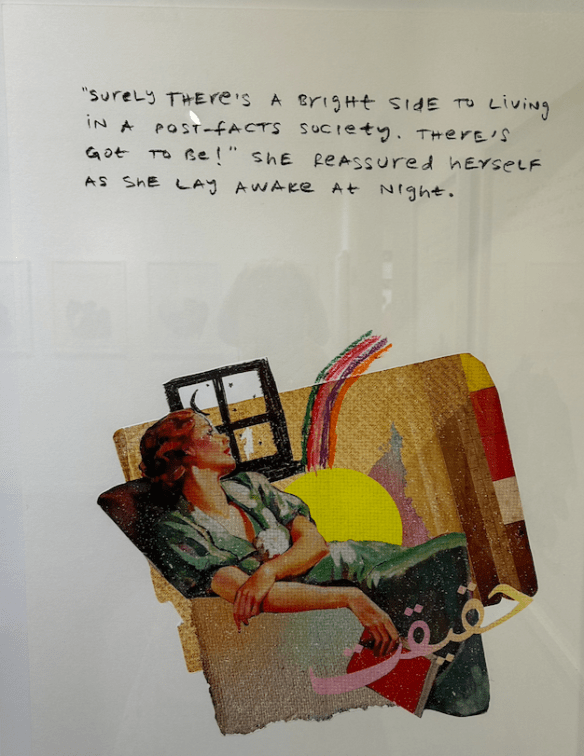
The artist read my mind.

Concerned but Powerless by Safwat Saleem

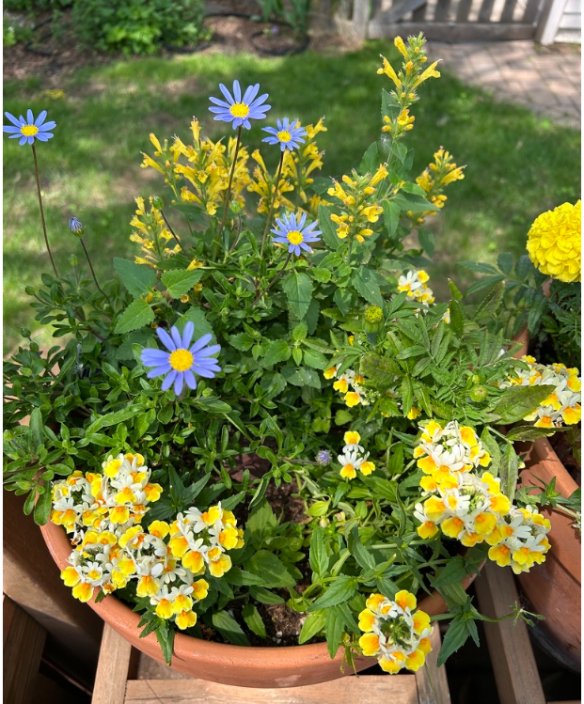
Planting patio pots gives me so much joy.

Bucket list

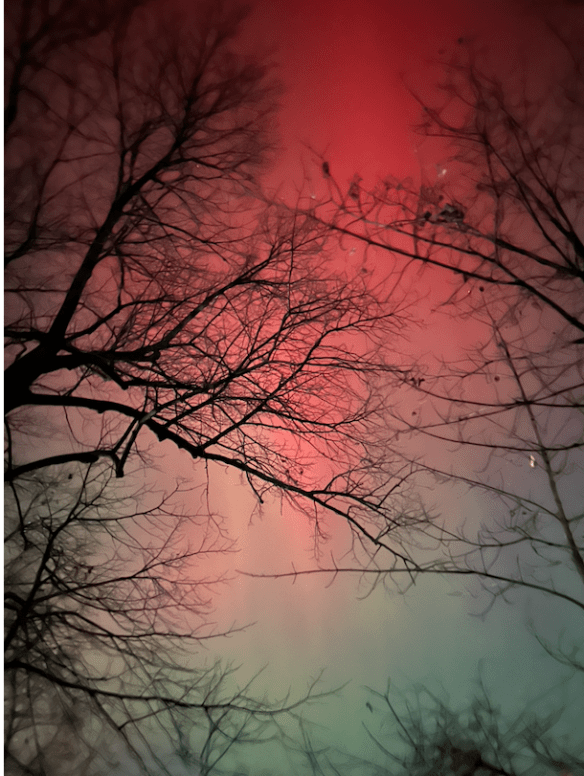
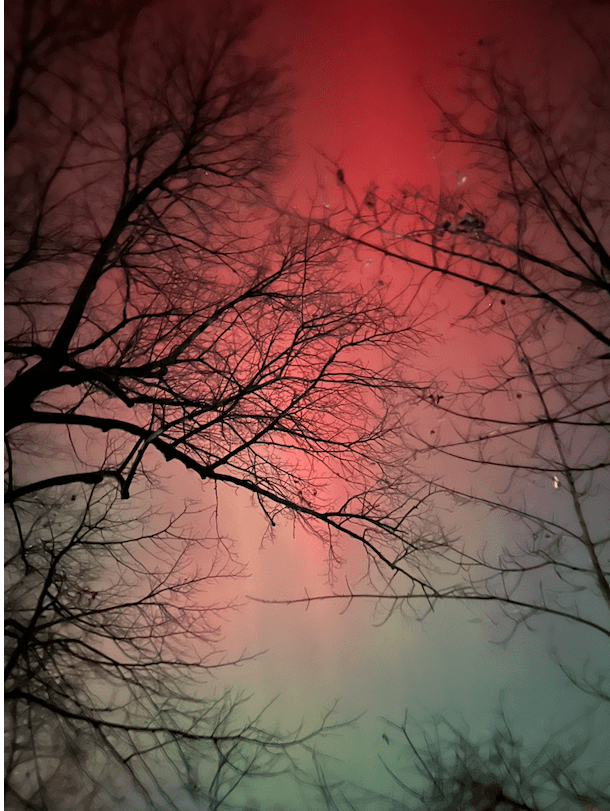
I never thought I’d see Northern Lights in the city, but I did in November with a little help from my camera.

Disappearing—The Joy of Reading?

I was sad to hear a book group friend say her 11-year old-granddaughter didn’t consider it a treat to go to a bookstore to choose a book—she doesn’t read books. I was slow to realize the books I’d been gifting my 10-year-old niece weren’t a hit. Not because I’d chosen boring stories but because she doesn’t enjoy reading. It saddens me they won’t have the pleasure of being immersed in the imaginary worlds I have so enjoyed.

Although it sounds counterintuitive, fiction presents truths through the lives of made-up people.

I’ve learned about worlds I wouldn’t have access to any other way. Through novels, I’ve entered the lives of a Black Texas Ranger, an 15th century Chinese physician, an escaped enslaved woman, a modern-day reporter in India, Korean deep-sea divers, and more. I’ve gained insight and empathy by seeing cultures beyond my own and feeling the dilemmas of people unlike me. Memoirs also offer me inspiration and perspective for my own life.

Recently, the disinterest in reading novels and the related inability to read whole books has been receiving attention. Several theories may explain the change.

Instead of reading whole novels, many middle school students read excerpts and are tested on their ability to write critical analyses of the excerpts. To be sure, critical analysis is an important skill, but it appears to have the unintended consequence of editing out the joy of completing a good, satisfying story. 

Reading whole novels requires skills many high school students aren’t taught. They grow bored, can’t follow the plot, and don’t connect to the characters or themes.

That puzzles me, because TV and movies still engage us. With “Game of Thrones,” “Succession,” or “Slow Horses,” viewers enter into invented worlds and can track the plot and characters, so why not in novels and memoirs, whether paper or Kindle books? Perhaps nonreaders have lost the ability to imagine. With TV and movies, the visuals are supplied.  

Shorter attention spans are also part of the problem, and students aren’t alone in this. Myriad distractions clamor for our attention and our culture serves up lots of information in short bits—texts, Instagram posts, 35- to 50-word news summaries. In 20 minutes, I might read a dozen short clips instead of one 3,000-word article. Constant interruptions have diminished my powers of concentration. I can still enjoy a 400-page novel, but these days, I get restless and impatient with longer novels.

I learned to love reading whole stories as a girl when there were far fewer distractions. At 8 years old, I draped myself across an upholstered chair and devoured Nancy Drew mysteries. By 14, it was Daphne du Maurier. Often, I wonder about the characters in novels I’m reading and am eager to find out what happens next. 

I wish my niece, my friend’s granddaughter, and their peers could experience the gift of being immersed in good books. The joy of being transported to another time or culture. The hours of pleasure, escape, and knowledge.

Three Books at Once

As a readaholic, I love getting lost in a story, whether fiction or memoir. A recent Strib article discussed reading two novels at once as a hedge against running out of books. Being without a book to read is terrible, but that’s not why I’ve begun reading several at once.

For years, I read one book at a time, diligently plowing through like the good English major I was. Not only did I read one at a time, but I also doggedly finished what I started. 

Now those rules don’t hold me. If I don’t enjoy a book I ditch it. Life’s too short to read books I don’t like. Especially since there are so many books I can’t wait to read (The Family Chao by Lan Samantha Chang, The Pages by Hugo Hamilton, Libertie by Kaitlyn Greenridge).

Several things changed my habits.

Thanks to my two books groups, I’ve read and enjoyed many books I might not have picked up on my own (e.g., We Have Always Lived in a Castle by Shirley Jackson, Grace by Paul Lynch). However, sometimes I’m lukewarm about the chosen book. I read it to be a good sport, but I start another book for fun. 

Occasionally, I choose difficult books because I want to be better informed about race, aging, Millennials, or whatever. I’m committed to reading them and I learn a lot, but they’re not plow-through-able. Weighty subjects need to be taken in smaller doses. In between, there’s the pleasure of fiction. 

I’ve also taken this approach with recent Nobel prize winners (The Buried Giant by Kazuo Ishiguro, The Last Gift by Abdulrazak Gurnah) and classic literature I read so long ago I’ve forgotten it (Jane Eyre by Charlotte Bronte). I read a little and mull it over, read some more.

COVID and the heaviness of the world in the last six years have changed my habits. Being pinned in place away from my usual activities heightened my need for escape. The Pleasing Hour by Lily King and Perestroika in Paris by Jane Smiley took me away when I couldn’t travel.

Often my concentration has been undermined in COVID-times, so I alternated literary fiction with mysteries/thrillers (State of Terror by Hillary Rodham Clinton and Louise Penny) or lighter stories (This Close to Okay by Leesa Cross-Smith, The Book That Matters Most by Ann Hood).

A more recent phenomenon also supports my changed reading habits. Some nights I’m inexplicably sleepless for an hour or more. Then having several books to choose from helps.

Now I’m unapologetic and unfussed about reading several books at once: (Hell of a Book by Jason Mott, Smoke Gets in Your Eyes and Other Lessons from the Crematory by Caitlin Doughty, Emma by Jane Austen). 
How do you approach reading?

On Becoming Easygoing

The Secret to Aging Well? Contentment. That recent New York Times article caught my eye, because clearly I’m aging and with luck, I’ll continue to age for another 30 years or so. My body and mind are likely to take hits along the way, so how can I age gracefully? What magic needs to take place in my mind so I’ll be accepting of inevitable changes, tolerant and easygoing when confronted with irritating people and situations, and content with the many good things in my life, if not joyful?

Hmmm. This might be harder than it sounds . . . . Ever since I was a girl, I’ve had a writer’s sensibility—noticing sensory details along with the quirks and nuance of how people behave. I’ve mentally recorded and searched for the words to describe all of what I see and experience.

For a writer, the capacity for analysis and the ability to think critically are assets. For example, I wrote the previous sentence five times before I found the right words, and I enjoyed that analytical process. I also analyzed the NYT’s author’s choice of “contentment” and concluded that “acceptance” and “being easygoing” would be more accurate word choices for the outlook he is recommending. But who asked me?!?

Because writing has been both my work and my passion for decades, I’ve honed my ability to see, remember, analyze, and define. Yet now the habit of noticing and articulating everything appears to be at cross purposes with the habits of being tolerant and accepting. Implied in my wish to become more patient and forbearing is the expectation that I’ll quit noticing stuff and letting it bother me.

The habits of a lifetime are hard to change. I will probably remain particular about writing. But I’ve already cultivated the power to notice without judging in some of the other areas of my life. For example, one of my friends always apologizes for her messy house. I can see that it is, but I don’t care. Mine’s messy too.

Another friend wears the same three shirts over and over, but I accept that although she has the money, she doesn’t care about clothes. And I definitely sympathize with her dislike of shopping.

Many of my friends and family are passionate about sports, while I remain lukewarm. No doubt the sports lovers are equally baffled by my passion for reading and gardening. They must wonder how I can get so excited about Barbara Kingsolver’s newest novel or why anybody cares at all about plants with variegated leaves!

Variegated

Variegated coleus

Perhaps the answer to my dilemma is to refocus my observational powers on seeing the good in life and finding the words for that. That sounds positive and cheerful, which is how I want to be. Maybe with practice I can flex those muscles and strengthen my capacity to be easygoing and accepting.

I figure I’m still young. I’ve still got a few years to get that right!

Beyond the Bestseller–The Answer to a Book Lover’s Dilemma

My recent purchases

I’m always reading novels, memoirs, or essay collections, sometimes two books at once. Given my love of reading, it seems odd that in recent years I’ve had trouble finding books that I really enjoy.

My tastes have changed. Since 2016, I often have wanted to step back from the real world and put my brain on the rinse cycle for a few hours. Unfortunately for me, some of the books that attract critical acclaim often are challenging to read.

The stories may portray truly awful events (slavery, abuse, war crimes) so vividly that reading them leaves me drained, not recharged. Other stories feature antihero characters who are so unlikable that I don’t want to spend a week with them. Or the author may be experimenting with narrative techniques that are intellectually interesting but not emotionally satisfying.

I want escape, but not just any escape. I’m not looking for syrupy sweet, happily-ever-after novels. Instead, I prefer a believable, involving story, one in which the characters are likable or interesting enough that I can engage emotionally and care about their plight.

Finding good books has gotten harder. Zillions of books are published every year. Amazon has millions of them. The public library has thousands. So what’s the big deal?

I’ve realized that my habit of reading with Kindle (whether purchased books or books checked out from the library) has stunted my reading list. In both cases, the recommendation and search algorithms are pretty rudimentary. Just finished a novel about the Holocaust? The library’s app and Amazon’s will suggest three more Holocaust novels. Wait, noooo!

The problem is compounded by the way book marketing and promotion works. During any given month, only 20-30 books are being touted, and the same ones appear on everyone’s bestseller lists and in numerous articles with titles like, “Best Books of 2018” or “This Summer’s 10 Must-Read Books.” Obviously, there are way more than 30 new books out there!  So how can I find them?

An aha moment. Duh. At bookstores. Where they have actual books. Made of paper. Recently, I visited Magers & Quinn and quickly found several good books by award-winning writers and added more to my “Want to Read” list. The books I chose are considered to be “midlist” (which is publisher-speak for a well-written book that is not a bestseller), so none of them were mentioned in any of the reviews or blogs I consult.

What a relief! The books are out there, but I’ve been looking in the wrong places!

If you’re curious, here are three really enjoyable books I purchased recently–The Pearl That Broke Its Shell by Nadia Hashimi, Day After Night by Anita Diamant, and I Will Send Rain by Rae Meadows.