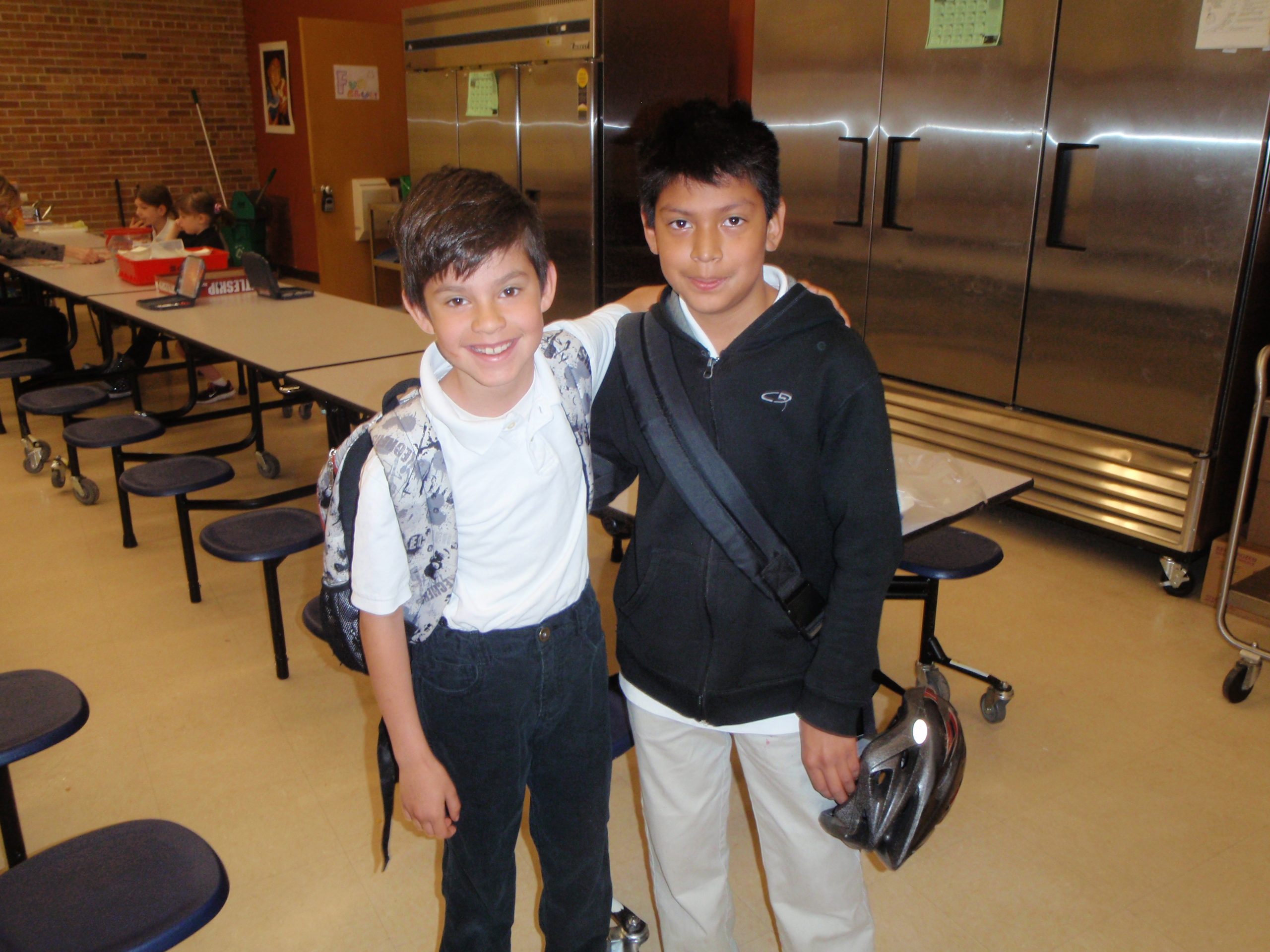
Before Antonio’s soccer game, I told him that we wouldn’t be able to stay after the game. He groaned. Two days ago we stayed late giving him a chance to play with his friends on the field. They took turns shooting the soccer ball into the net with one of them guarding. I enjoyed watching his fun and he relished playing with his two friends.Every parent wants their child to have friends and I was delighted watching Antonio with his.
Today, after Antonio’s soccer game his friend Oliver asked if Antonio could stay and play. “My parents will bring him home,” he said. Antonio’s eyes shone when I said, “Yes”, and he quickly became so immersed in his soccer playing that he couldn’t hear Jody saying goodbye to him.

Antonio is interested in soccer this year because that is what his friends are doing during recess at school. I was shocked when both he and Crystel said they wanted to join the spring recreational league. For years, they had shown no interest.
His coach this year, remembered Antonio when he was four years old playing soccer at YMCA.
I sighed.
“Antonio was more interested in sitting on your lap then playing soccer,” I said to the coach.
The next time he played soccer he was six years old and he would come off the field during a play and say, “Crissy you go in for me.”
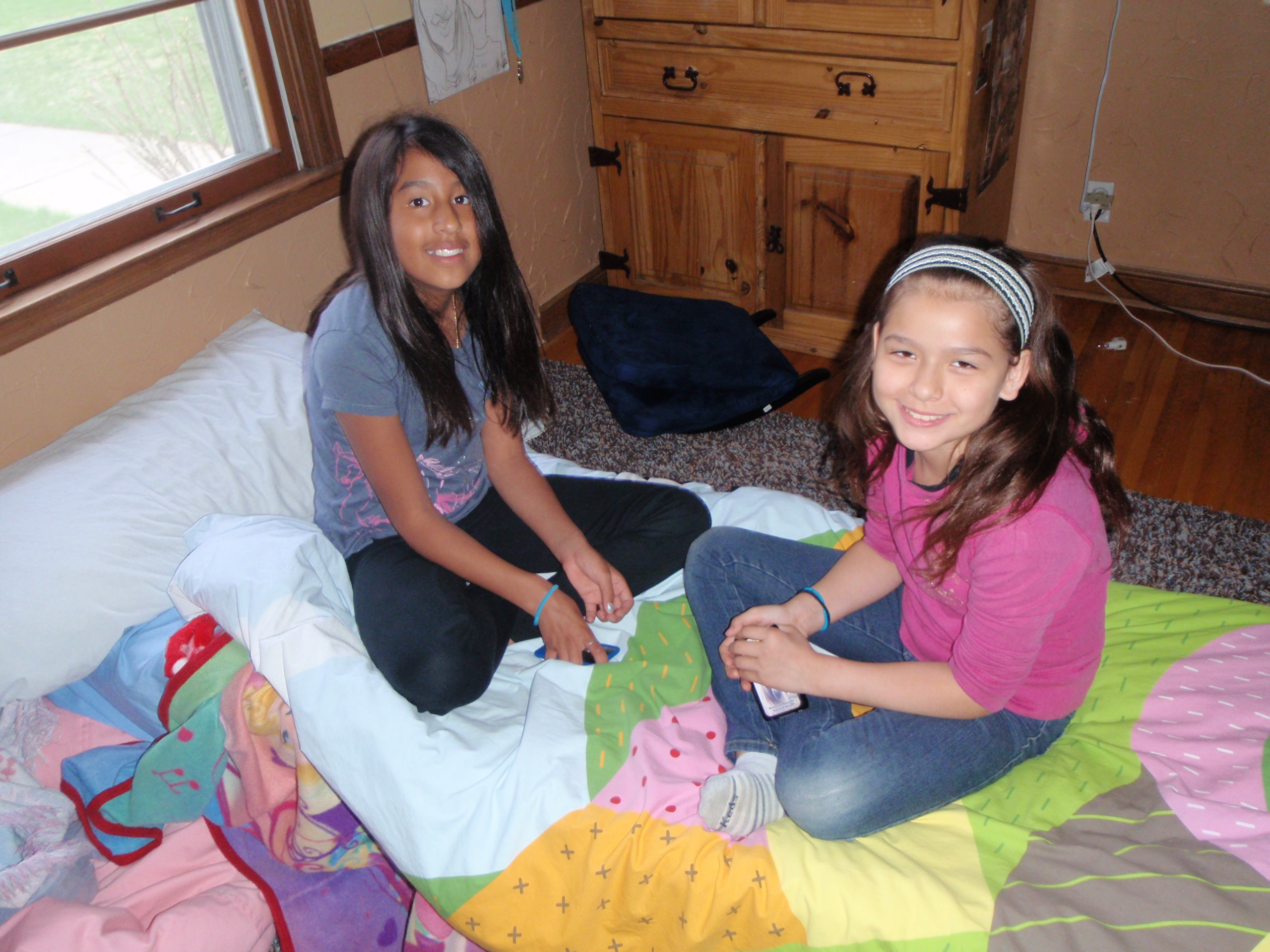
“Antonio she not only isn’t on your team,” I said. “She’s not even signed up for soccer.” Still, no one seemed to care when she bounded on the field taking his place.Children’s friendships are important to parents. Once in a while a parent will comment that they hope their children keep the same group of friends throughout all of their school years. “It’s a great group of kids,” they will say.
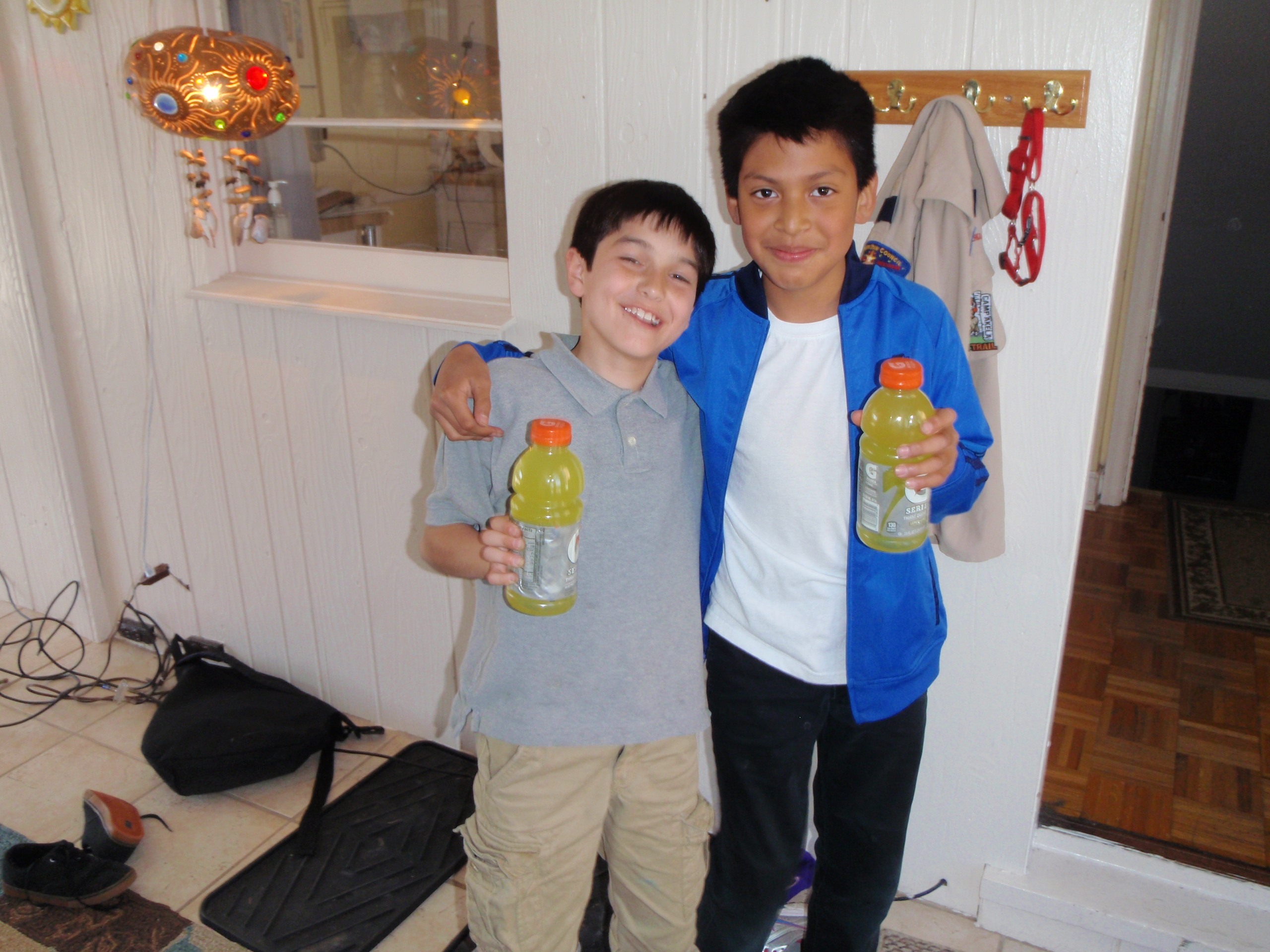
I must confess that I wasn’t prepared for the mother who wondered if Antonio would date her daughter-espeically since her daughter and Antonio were only in preschool. I’m sure she meant it as a compliment, but I hadn’t taken that leap in my mind yet.
Now that the kids are ten years old, I allow myself to wonder about that occasionally.
I am interested to see who they gravitate to in their friendships and in their ‘special’ relationships. They were both born in Guatemala and are being raised by two white women in an English speaking household. Are they drawn towards Hispanics or whites in their friendships? Who will they choose for a partner?
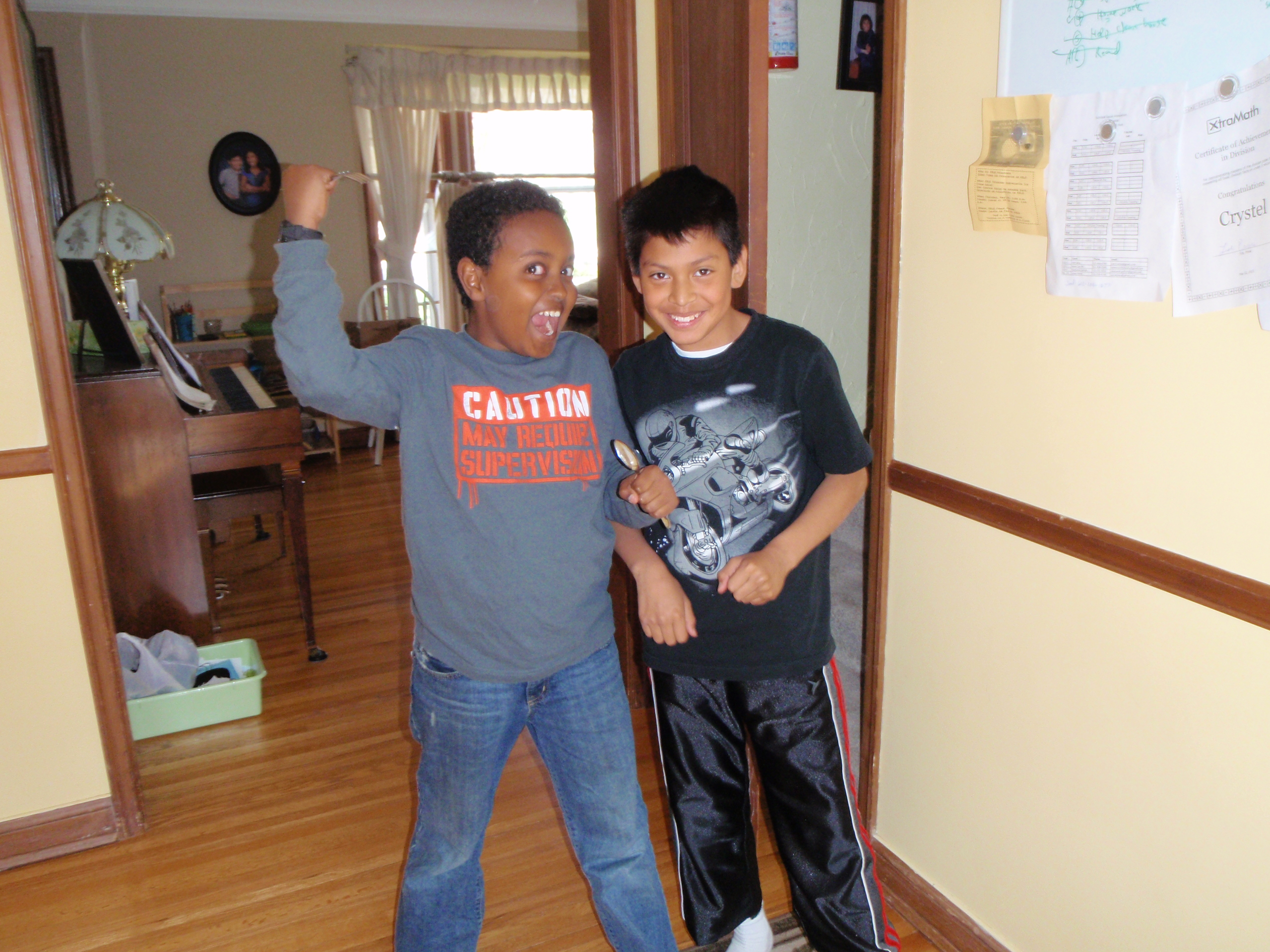
Both Antonio and Crystel are attending a Spanish dual language school. This helped them be comfortable around Hispanics. I used to have to remind them that they were brown and Hispanic which is why they needed to learn Spanish.
This past winter when the cold seemed like it would never end and they were whiny, I asked them if they would like to move to a warmer climate. They both immediately said, “No.” Their friendships have become that deep.
I have been happy to observe that they have friends who are of mixed races, white, Hispanic, and African American. They are friends with children from divorced families, families with only one parent, and children from families who have two parents.
In other words, they are perfectly normal.
