Category: Feeling Safe

  • January 6, 2021

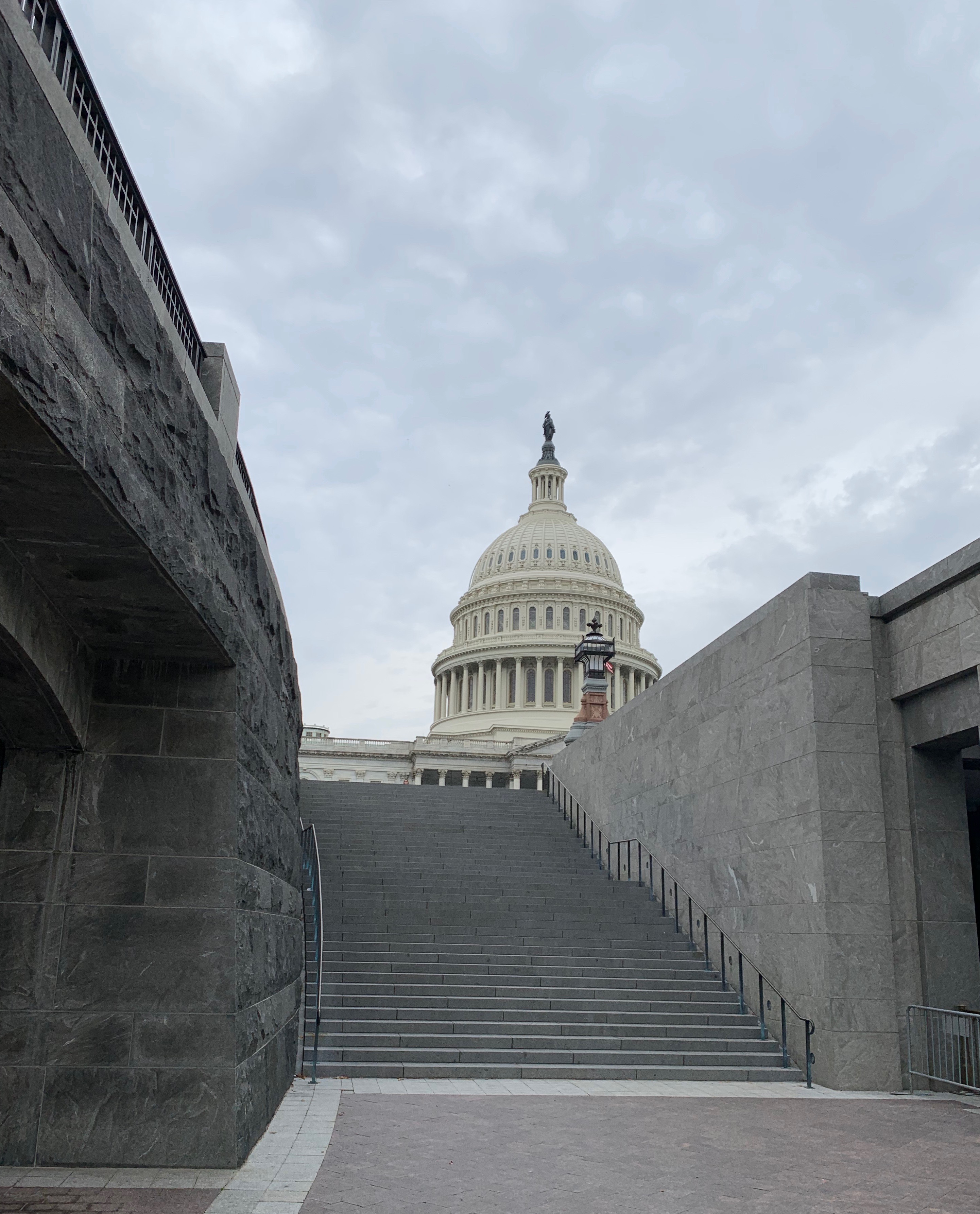
    The day after the invasion of our Capitol our almost seven-year-old granddaughter said to our daughter: “So those people will be arrested, right? And then they will go to jail? Because that is dangerous. They could make the police sick and then who would stop people from stealing and other bad things? And what if Congress gets scared so they can’t make rules anymore?”

    Washington, D.C. has a magnetic pull. My tradition is to walk to the White House every visit and take pictures. Our daughter lived there when she clerked for the United States Tax Court which meant visiting her and exploring her favorite places. We did the Supreme Court tour one time with her providing insights. In 2019 I spent a day sitting in the House of Representatives and the Senate galleries as well as touring the Capitol with a member of Senator Amy Klobuchar’s staff. Meeting people in the offices of our representative and senator then watching them at work at the Capitol deepened my sense of what the democratic process means.

    I think we waste trips to Washington, DC on grade school kids. Every citizen of voting age should be required at least once to visit the places where our government does it work. To go through security, read placards, sit in those galleries, hear the history of each branch. Let’s make it a compulsory requirement that anyone who votes must demonstrate that they have studied the processes that keep this nation a democracy. Not as a high school student, but at an age years after their formal education is complete. Call it a citizenship refresher.  

    Bless my daughter, and every parent or person responsible for children and young people, as they provide information and assurances during these times. If it has not been difficult to give kids a sense of safety while walking the talk about mask wearing and social distancing, now there is this to explain. And to fix.
  • A Larger Force

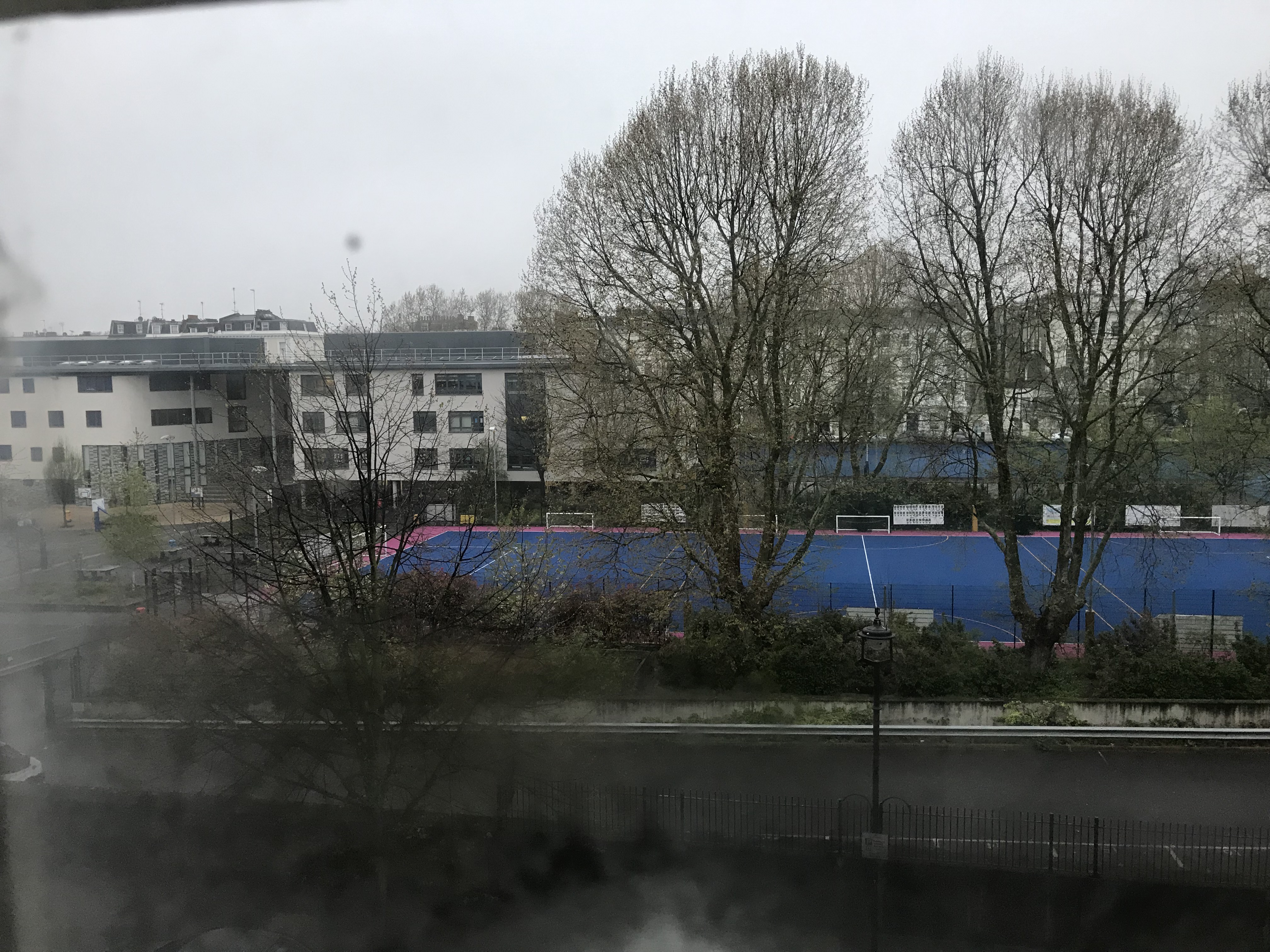
    Healthy exercise respecting social distance in the neighborhood appeared difficult with a cluster of kids playing soccer, family groups stretching across walks and streets, dog walking people following the direction of their pets. We drove to the quiet side of a nature preserve where trails are seldom used on weekends. One car stood empty in the parking lot. Parents with a preschool child exited a different car.

    We waited for them, but as shoe tying and other preparations continued we made our way to the trail map. The youngster, possibly unaware of social distancing, ran to join us and told her parents that she wanted to be lifted to read the map. Offering her their hands, they assured her they knew the way. We backed away as the child threw a hissy complete with screaming, stomping, and slapping. The right trail choice was any that would create space from the unhappy kid.

    As grandparents we’ve learned about giving young children time to make wise choices instead of forcing action on them. Children of privilege are supported in making choices many times daily from choosing to wear clothes to daycare through patient questioning of resistance at bedtime twelve hours later. Family, friends, complete strangers, might be expected to wait while a child tests the limits or can’t choose. It takes a village after all.

    Then comes COVID-19—no negotiations, no children making choices, no endangering strangers by ignoring social distance guidelines. The village has been forced into change.

    From closed schools, to prohibited playgrounds that look the same as open playgrounds, to stores asking only one family member do household chores; parenting has pivoted in answer to the dual wham of pandemic and economic storms. Parental instincts to keep things normal for the kids are strained as jobs are lost, employers demand long work hours in the family’s home, distance learning replaces classrooms, and being homebound stretches. Hugs of grandparents, cousins and close friends disappeared with no known date of return. Parents have had little time to concentrate on adapting to new burdens, to problem solve, to explore their personal fears or worries.

    Experts say our kids experience anxiety of this crisis just like adults. Some will lose a loved one or friend. The soundtrack of childhood has been interrupted to never play in quite the same way. COVID-19 is drawing new lines on the future maps of kids’ adulthood. Our six-year-old family member misses her classmates, her neighborhood friends, going places with her parents. She understands that the sickness means she can’t ride her bike with other kids, climb or swing at the park, be physically present with her friends. The sickness is beyond her parents’ control. She can make good decisions about a snack or activity, but bigger forces now set the limits beyond the front door.

    Technology gives us time to talk, play games, be with family. A plate or two on the table and tiny faces on a screen may be how we celebrate this spring’s holiday and holy day traditions with those we love. Better than no connection, a card or a phone call. COVID-19 denies us the powerful comfort of each other’s warmth, smell, physical presence whether around the dining table, at a special event, at a hospital bedside. Some of us will stay healthy. Some of us will die in the company of strangers. No screaming, stomping or slapping can change what we have to keep doing. We will gather to celebrate or grieve in the future. God willing.

    Stay home. Stay safe. Keep others safe. May your holy day traditions provide comfort.

    GIFIjEQkRfGDZbThEEbPgw

  • The Kids aren’t Here

    Our family includes many teachers, most in public school. Our kids have attended public schools, parochial schools, private schools, been homeschooled. Homework and talking about school happens at the kitchen table, in the car, while raking leaves.

    It was a surprise that a school system where I have volunteered is struggling with absenteeism of 32 to 50 percent . And that reflects the national pattern of over 8 million U.S. students missing nearly a month of school each year. At this rural school there is poverty, students are widely disbursed, transportation options are limited. There are stories about kids needed at home to help care for siblings or other family members. Anxiety or bullying issues make attendance difficult.

    In general, some parents feel schools don’t meet their kids’ needs. Some parents find the public education system to be monolithic in protecting traditional, seats in the chairs methods when other models exist. A teacher I respect told me that the process of pushing bright, unorthodox kids to adjust to rules that are necessary for control in classrooms of 28 students is sad, but ultimately prepares everyone for living in the real world.

    School representatives cite anecdotal reasons for kids’ absenteeism. There may not be a ride available if a bus is missed. A doctor’s appointment can be an hour drive from school. Parents don’t feel their kids miss much if they stay home. The family needs to be away to care for relatives. A child is needed to care for younger or older relatives. The parents plan an extended vacation. Some claim to intermittently homeschool. A child is being bullied and administration is not responsive. A child suffers from mental health issues with no help during the school day. Travel for extracurricular activities eats up hours. When bad grades start, kids know they’re bound for summer school and give up.

    Across the larger education sector, how does a child miss 30 days of school without prompting a remedial plan? How does a school system support learning in one-third to one-half of their enrolled students who are not present? What do students need to learn today and how is that delivered? So much money and so much policy maintain traditional archetypes when other societal archetypes are adapting or falling aside.

    Schools are not unlike trains running on tracks installed a hundred years ago. There are reasons old rail beds have become hiking and biking trails. Like other social systems, the pathways to completing an education relevant now, and in the future, have changed.  School buildings, curriculum, teacher preparation systems, and teaching methods need dramatic review and overhaul. Fewer test scores, more involvement in the big world.

    The question is not where are the kids, but how can we be sure there are good reasons for them to be here?

    IMG_6266