Category: Emotion

  • January 6, 2021

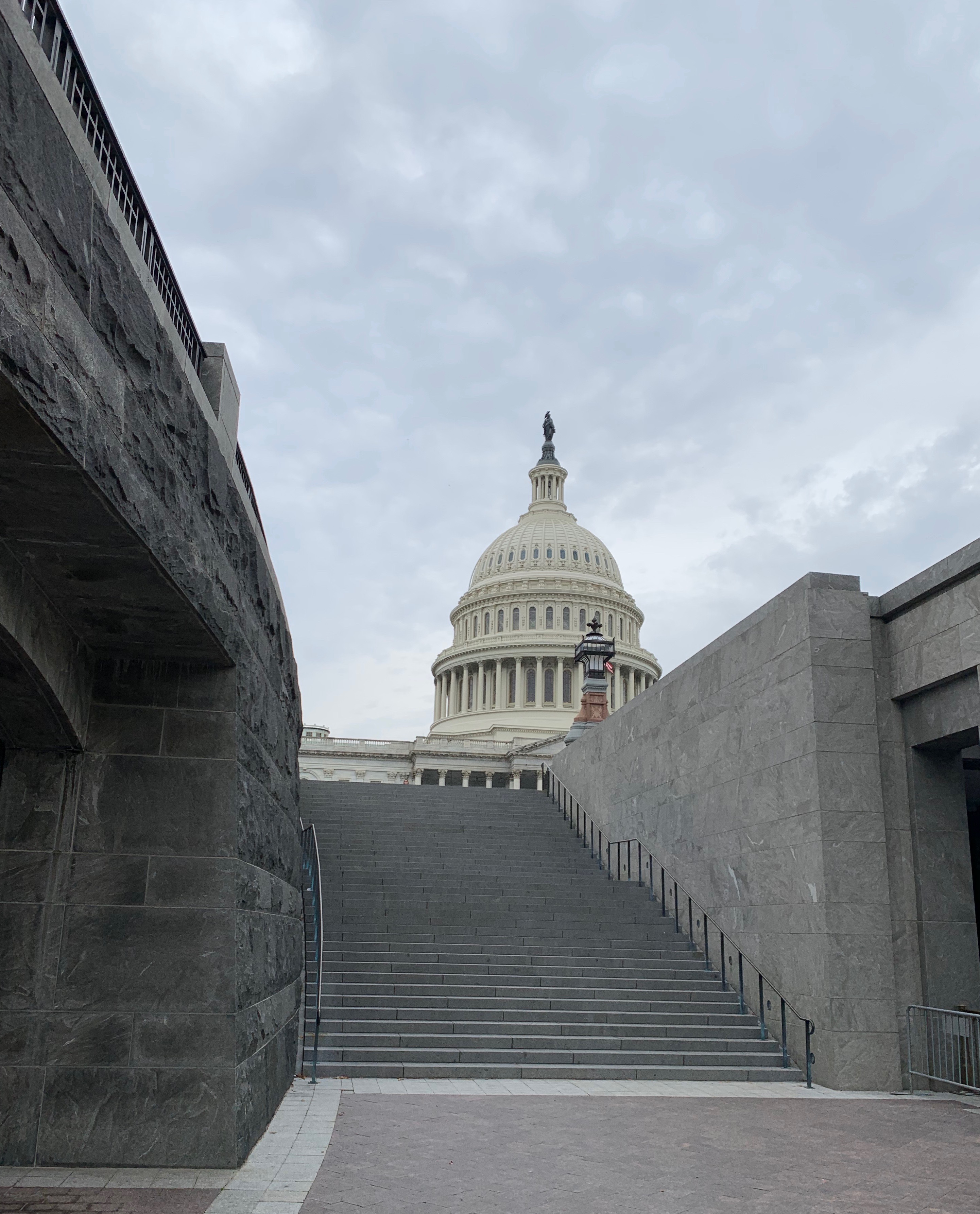
    The day after the invasion of our Capitol our almost seven-year-old granddaughter said to our daughter: “So those people will be arrested, right? And then they will go to jail? Because that is dangerous. They could make the police sick and then who would stop people from stealing and other bad things? And what if Congress gets scared so they can’t make rules anymore?”

    Washington, D.C. has a magnetic pull. My tradition is to walk to the White House every visit and take pictures. Our daughter lived there when she clerked for the United States Tax Court which meant visiting her and exploring her favorite places. We did the Supreme Court tour one time with her providing insights. In 2019 I spent a day sitting in the House of Representatives and the Senate galleries as well as touring the Capitol with a member of Senator Amy Klobuchar’s staff. Meeting people in the offices of our representative and senator then watching them at work at the Capitol deepened my sense of what the democratic process means.

    I think we waste trips to Washington, DC on grade school kids. Every citizen of voting age should be required at least once to visit the places where our government does it work. To go through security, read placards, sit in those galleries, hear the history of each branch. Let’s make it a compulsory requirement that anyone who votes must demonstrate that they have studied the processes that keep this nation a democracy. Not as a high school student, but at an age years after their formal education is complete. Call it a citizenship refresher.  

    Bless my daughter, and every parent or person responsible for children and young people, as they provide information and assurances during these times. If it has not been difficult to give kids a sense of safety while walking the talk about mask wearing and social distancing, now there is this to explain. And to fix.
  • A Larger Force

    Healthy exercise respecting social distance in the neighborhood appeared difficult with a cluster of kids playing soccer, family groups stretching across walks and streets, dog walking people following the direction of their pets. We drove to the quiet side of a nature preserve where trails are seldom used on weekends. One car stood empty in the parking lot. Parents with a preschool child exited a different car.

    We waited for them, but as shoe tying and other preparations continued we made our way to the trail map. The youngster, possibly unaware of social distancing, ran to join us and told her parents that she wanted to be lifted to read the map. Offering her their hands, they assured her they knew the way. We backed away as the child threw a hissy complete with screaming, stomping, and slapping. The right trail choice was any that would create space from the unhappy kid.

    As grandparents we’ve learned about giving young children time to make wise choices instead of forcing action on them. Children of privilege are supported in making choices many times daily from choosing to wear clothes to daycare through patient questioning of resistance at bedtime twelve hours later. Family, friends, complete strangers, might be expected to wait while a child tests the limits or can’t choose. It takes a village after all.

    Then comes COVID-19—no negotiations, no children making choices, no endangering strangers by ignoring social distance guidelines. The village has been forced into change.

    From closed schools, to prohibited playgrounds that look the same as open playgrounds, to stores asking only one family member do household chores; parenting has pivoted in answer to the dual wham of pandemic and economic storms. Parental instincts to keep things normal for the kids are strained as jobs are lost, employers demand long work hours in the family’s home, distance learning replaces classrooms, and being homebound stretches. Hugs of grandparents, cousins and close friends disappeared with no known date of return. Parents have had little time to concentrate on adapting to new burdens, to problem solve, to explore their personal fears or worries.

    Experts say our kids experience anxiety of this crisis just like adults. Some will lose a loved one or friend. The soundtrack of childhood has been interrupted to never play in quite the same way. COVID-19 is drawing new lines on the future maps of kids’ adulthood. Our six-year-old family member misses her classmates, her neighborhood friends, going places with her parents. She understands that the sickness means she can’t ride her bike with other kids, climb or swing at the park, be physically present with her friends. The sickness is beyond her parents’ control. She can make good decisions about a snack or activity, but bigger forces now set the limits beyond the front door.

    Technology gives us time to talk, play games, be with family. A plate or two on the table and tiny faces on a screen may be how we celebrate this spring’s holiday and holy day traditions with those we love. Better than no connection, a card or a phone call. COVID-19 denies us the powerful comfort of each other’s warmth, smell, physical presence whether around the dining table, at a special event, at a hospital bedside. Some of us will stay healthy. Some of us will die in the company of strangers. No screaming, stomping or slapping can change what we have to keep doing. We will gather to celebrate or grieve in the future. God willing.

    Stay home. Stay safe. Keep others safe. May your holy day traditions provide comfort.

    GIFIjEQkRfGDZbThEEbPgw

  • The Family Tree

    The Bayside Tavern in Fish Creek, Wisconsin has two buck burgers on Mondays during the off season. There’s a choice in seating– high tops, low tables, tiny booths for two, or stools at the bar. Narrow windows keep the inside dim. It is the place to go before the community Christmas tree is lit across the street, before the high school musical, to watch the Packers or Badgers or Brewers play. Maybe the Bears or Cubs for those brave enough to wear such jerseys. If you are a local, or a seasonal local, they probably know your name.

    My Dad preferred a booth and ordered fried onions on his burger. He had haunts in Door County including the best places for good food. He knew the parents of people important in the community—the Catholic priest, the sheriff, a few bar owners.

    So it was at the Bayside that my cousin Jeff Frisque and I met for lunch, the first time we had ever talked to one another except at family funerals. We connected through Facebook where many of the cousins have friended each other. Taking a risk, Jeff and I moved from responding to postings to trying a direct message.  Jeff’s father and one aunt are the last living siblings.

    In my book, The High Cost of Flowers, the eldest sibling comes to the realization that to have the kind of extended family you want can require effort. And as the elders age, the responsibility passes to the children to do something, or to walk away. My husband and I are the elders of our families. That sounds easier to me than embracing the concept of adult orphans. We value the small circles of those connected to us by birth or marriage. Along with those we love, we have developed new traditions to stay close.

    The Bayside Tavern might become a comfortable setting for weaving together the grandchildren of Michael Frisque. In his prime he spent many hours in bars, but I don’t know if he ever sat at this one. I didn’t know my grandfather well enough to say how he felt about his children and grandchildren. None of that was important in sharing lunch with my cousin Jeff.

    Jeff is known locally for building and restoring exquisite log homes. We share love for Door County. We both showed up with spouses, a sign of how we value our families and would go to great extremes to protect them. We are not members of the same political parties although we may share a few beliefs. I think we are both tender-hearted about the right stuff. We both love or admire each other’s fathers. We walked away with each other’s email addresses and telephone numbers.

    We also both like burgers at the Bayside. Mark that on the family tree.

    dad