Category: Baby Boomers

  • Anachronisms (Or 3 Reasons Why I Love My Electronic Devices)

    My youngest son and I were talking about eating alone in restaurants, when I flashed back to life before cell phones, tablets, GPS and Internet connectivity. He’s a nice guy, so he didn’t tease me about my “Why in my day, Sonny, we used to . . .” moment. Electronic devices have profoundly changed the outcome of several awkward or frustrating experiences.

    Eating Alone

    While traveling for business in the late 1980’s, I faced a dilemma that no longer exists: how to eat alone in a restaurant without looking weird or attracting unwanted attention.

    Articles for career women advised bringing a book and reading at dinner. That way you wouldn’t feel stupid, and you wouldn’t attract sleazy guys trying to pick you up. Or you could order room service and avoid the whole issue.

    I usually preferred a good meal with a glass of wine to a dry turkey sandwich in my room, so I learned to carry a book. Wait staffs’ reactions and service varied from dismissive to sympathetic. To boost my confidence and convey that I had a right to be there, I was pleasant but a bit aloof. While waiting for my order I sipped my wine and read. Usually that worked, but sometimes I didn’t have the energy for the performance.

    Now I can take my smartphone or tablet and catch up on email, check Facebook, read online, or write and be legitimately busy and content. I don’t have to worry that I look pathetic or vulnerable.

    Missing Connections

    Before cell phones, bad luck could ruin a rendezvous. Imagine this: you’re in Chicago on business. You have a free afternoon before your flight and want to see a college friend. You agree to meet by the lions in front of the Art Institute at 1:00. By 1:15, you’re checking your watch and wondering. At 1:35, you’re frustrated and uncertain. Stay? Go? What’s going on?!?

    Screen Shot 2015-05-27 at 10.47.28 PM

    There was no way for your friend to call or text to say, “Missed my train. Can I meet you inside by the Chagall window at 2:00 instead?” You could go inside alone but she’d have no idea where to find you. Or you could leave, angry and disappointed. Either way, you would have missed each other. The afternoon of laughs and reminiscing couldn’t be salvaged.

    Getting Lost
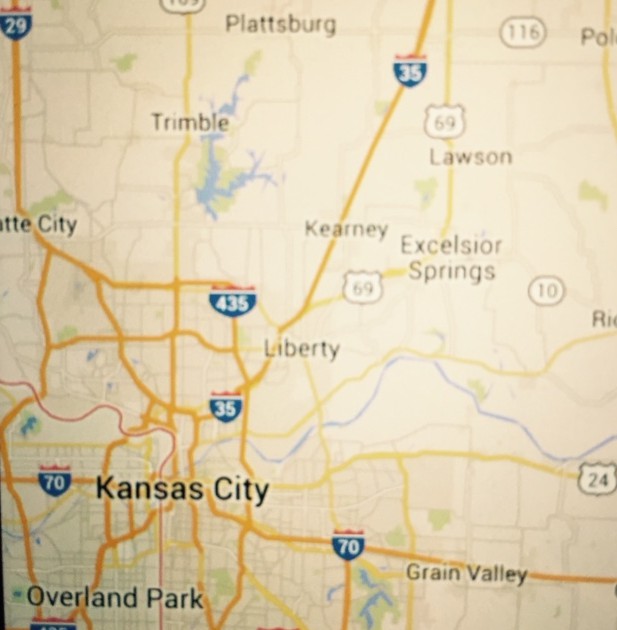
    MissouriFor years, I’ve driven cross-country for family visits to Ohio or vacations in Virginia, Texas, and Montana. I also think nothing of driving to a distant suburb to meet friends for dinner. Usually I navigate these trips successfully . . . as long as I have a map or Garmin for GPS.

    Occasionally, though, I’ve gotten spectacularly lost. Driving 30 miles out my way near Green Bay, Wisconsin. Circling Eden Prairie, Minnesota for 40 minutes (and Eden Prairie isn’t that big). Hubris accounted for these mishaps. I thought I knew where I was going, so I didn’t bring a map.

    Back in the day, the only solution was to stop and ask for directions. I had to hope the person was reliable and not a knucklehead who’d send me the wrong way, because he forgot to mention three important turns.

    If there’s no cell phone signal (rural Montana and Wisconsin come to mind), I can be just as lost as in the old days. Google maps and GPS have definitely reduced the likelihood that I’ll get lost during a road trip, but sometimes they are wrong or incomplete. Just in case, I still carry a paper map and keep my cell phone charged up.

    How about you? What difficult situation has become a thing of the past because of your electronic devices?
  • Downsizing is a Seismic Shift

    Downsizing is a Seismic Shift

    The move looked like upheaval, but changes had reverberated through our lives for several years before my husband and I sold our house. Our sons no longer needed us daily, so we had stepped back into an advisory role. We focused more on fun, less on careers. The shift—from raising children and working full-time—was as natural and inevitable as tectonic plates moving.

    Our old house
    Our old house

    We dreamed of a new life. The vision was a little vague—we wanted to live in the Twin Cities instead of the suburbs, in a neighborhood where we could walk to shops and restaurants, in a house with more character, less yardwork.

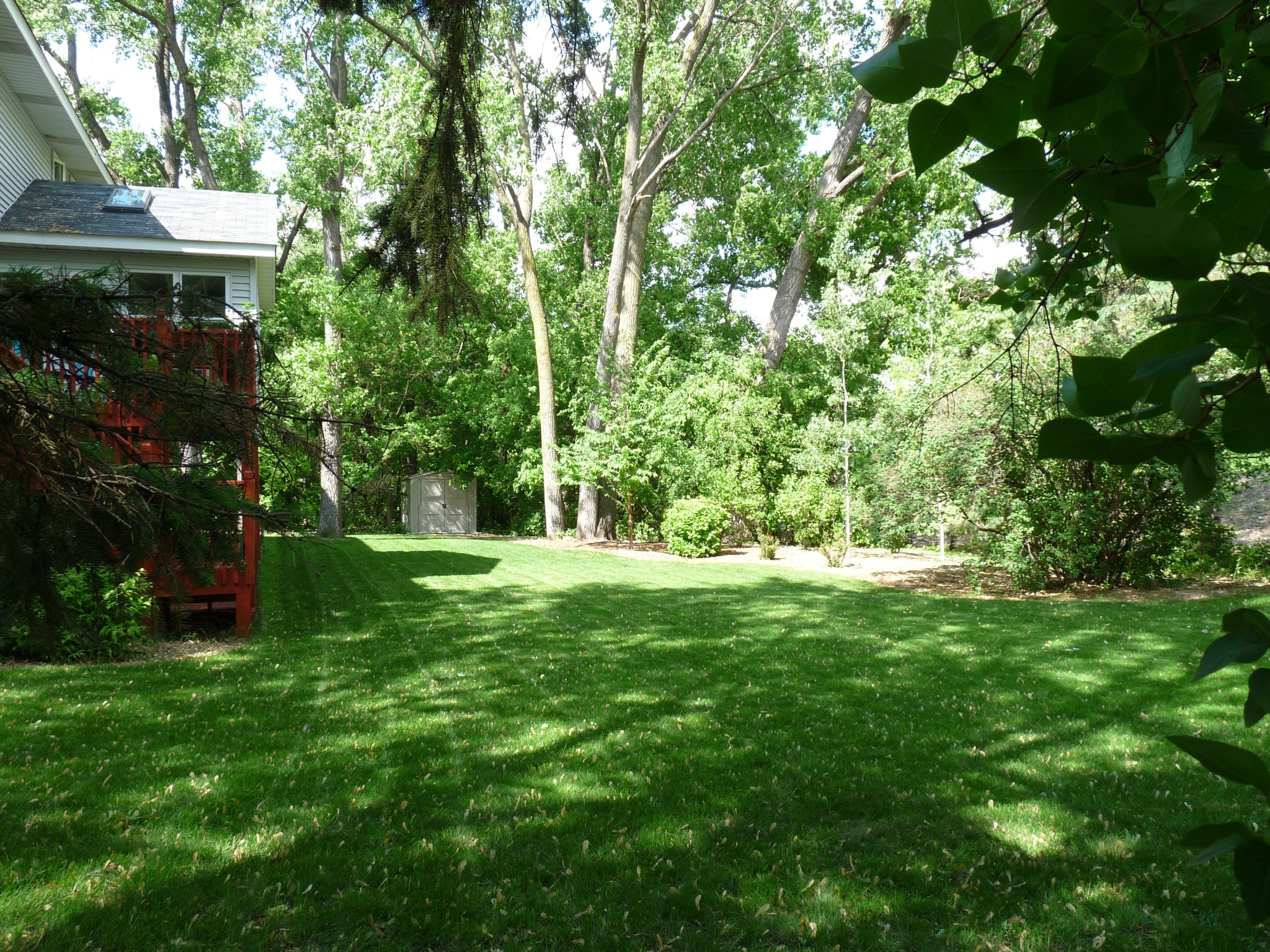
    our old backyard
    Our old backyard

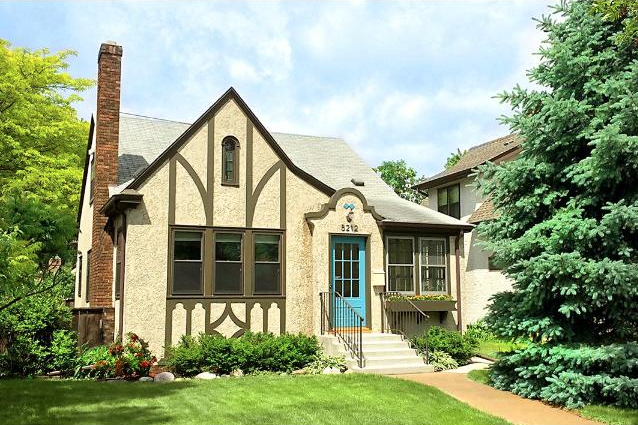
    What we chose is a 90-year-old, story-and-a-half house with a postage stamp-sized yard to replace our 40-year-old, three-story walkout with a generous yard.

    Our new house
    Our new house
    New yard
    New yard

    But the change is deeper and broader than square feet and location. We chose a life that offered new possibilities. We are counting on ourselves to invent the life that goes with it.

    Although I’m pleased with the new home we chose, occasionally I feel disoriented. Everything that was familiar has changed. How much room we need. How much activity we want. How much noise we can stand. How to stay connected to people who no longer live nearby. How to be good citizens in a city of activists.

    Sometimes I feel like I’m on good behavior here. I pick up clutter and put away dishes obsessively—which goes against my messy nature—but I’m trying to learn new ways. I think carefully about what we bring into this house since we have so much less space. We gave away many of the fine things we’d accumulated during the past 25 years. Once we’d unpacked we needed to give away even more. But really, how much stuff do we need? And why? The habit of coveting is hard to break, though.

    Walking around in my nightgown with the blinds down is odd, but our windows face the neighbors’ windows and I value my privacy. I’ve had to get used to locking the doors with a key. All the time.

    But eating breakfast in the glow of the little lamp on the buffet is cozy even if the blinds are drawn. My gardens are so small that caring for them is fun now instead of drudgery. I like walking to neighborhood coffee shops and hiking alongside the creek. The energy and variety of the city appeals to me. Most days, I drive toward my new home without lapsing into autopilot and heading south of the river.

    The bedrock our lives—raising children and working full-time—has given way. The foundations of our new life are couplehood, part-time work, and fun.

    We’re still figuring out what our new life should consist of. So we rearrange the elements we want to keep (good meals, time with friends and family), discard ideas and activities that no longer fit (PTO and soccer practice), and relish the new possibilities (guitar practice and art history classes for my husband). For me, the choices are yet to be determined. I’m making it up as I go along.

  • Why I’m Done Deferring Joy

    Recently, I’ve decided that I’m done “saving it for good.” Nothing’s too good to use. Nothing’s too good to wear. 

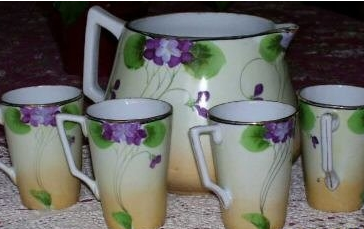
    Mimmie's lemonade set
    Mimmie’s lemonade set

    When Mimmie (my father’s mother) died, I received her handpainted Nipon lemonade set. She’d promised it to me because I’d admired it for years. I also received Grandma’s (my mother’s mother) crystal goblets after Grandma died. I am pleased to own both sets—they are part of my heritage and they remind me of women I love. For 30 years, I’ve “saved them for good,” dusting them but rarely using them.

    I also have dresses, blouses, and a suit I’ve saved for good, which means I rarely wear them. Too often, the clothes are too small or out of style before I need them again. I wind up giving them away—which is OK, maybe someone else can use them—but why didn’t I use them?

    I don’t know whether or not “saving it for good” is a generational phenomenon. As a Baby Boomer whose parents experienced the Great Depression, I was taught that it was important to hang on to and care for the things you had, because somebody worked hard to get them, and you might not to be able to replace them if they got ruined. But somewhere along the line that practical impulse got subverted.

    My special things began to assume too much importance—they had to be protected in glass breakfronts, handwashed and dried, and only admired occasionally. That’s the impulse I’m rejecting. My sons never knew my grandmothers, so the meaning and memories go when I go. If the lemonade cups get chipped, so be it. They are meant to be used and enjoyed, not wind up in an estate sale. I will think of Mimmie and Grandma more often if I use their things regularly than if the items stay in my cupboard.

    Grandma's goblets
    Grandma’s goblets

    I’m also rejecting the idea of deferring joy—that there’s some bigger better moment in the future—some truly important occasion when I should dress up or use crystal. That’s akin to waiting until retirement to travel and then having a heart attack or some other debilitating illness and not being able to go.

    Instead, I’m choosing to live in the moment more—I’m not saving for a rainy day or waiting for the right time. Well, OK, I’m still saving money because, if heredity is any guide, I’m going to live a long time. But I’m spending more joy right now.

    So I’ll use Mimmie’s cups to drink iced tea and sip cabernet from Grandma’s goblets. And when I show up at work in a dress or suit, my coworkers can wonder if I have a job interview, but you’ll know the real story!

    Do you save anything for good? How do you seize the day and spend more joy right now?