Category: Baby Boomers

  • Downsizing is a Seismic Shift

    Downsizing is a Seismic Shift

    The move looked like upheaval, but changes had reverberated through our lives for several years before my husband and I sold our house. Our sons no longer needed us daily, so we had stepped back into an advisory role. We focused more on fun, less on careers. The shift—from raising children and working full-time—was as natural and inevitable as tectonic plates moving.

    Our old house
    Our old house

    We dreamed of a new life. The vision was a little vague—we wanted to live in the Twin Cities instead of the suburbs, in a neighborhood where we could walk to shops and restaurants, in a house with more character, less yardwork.
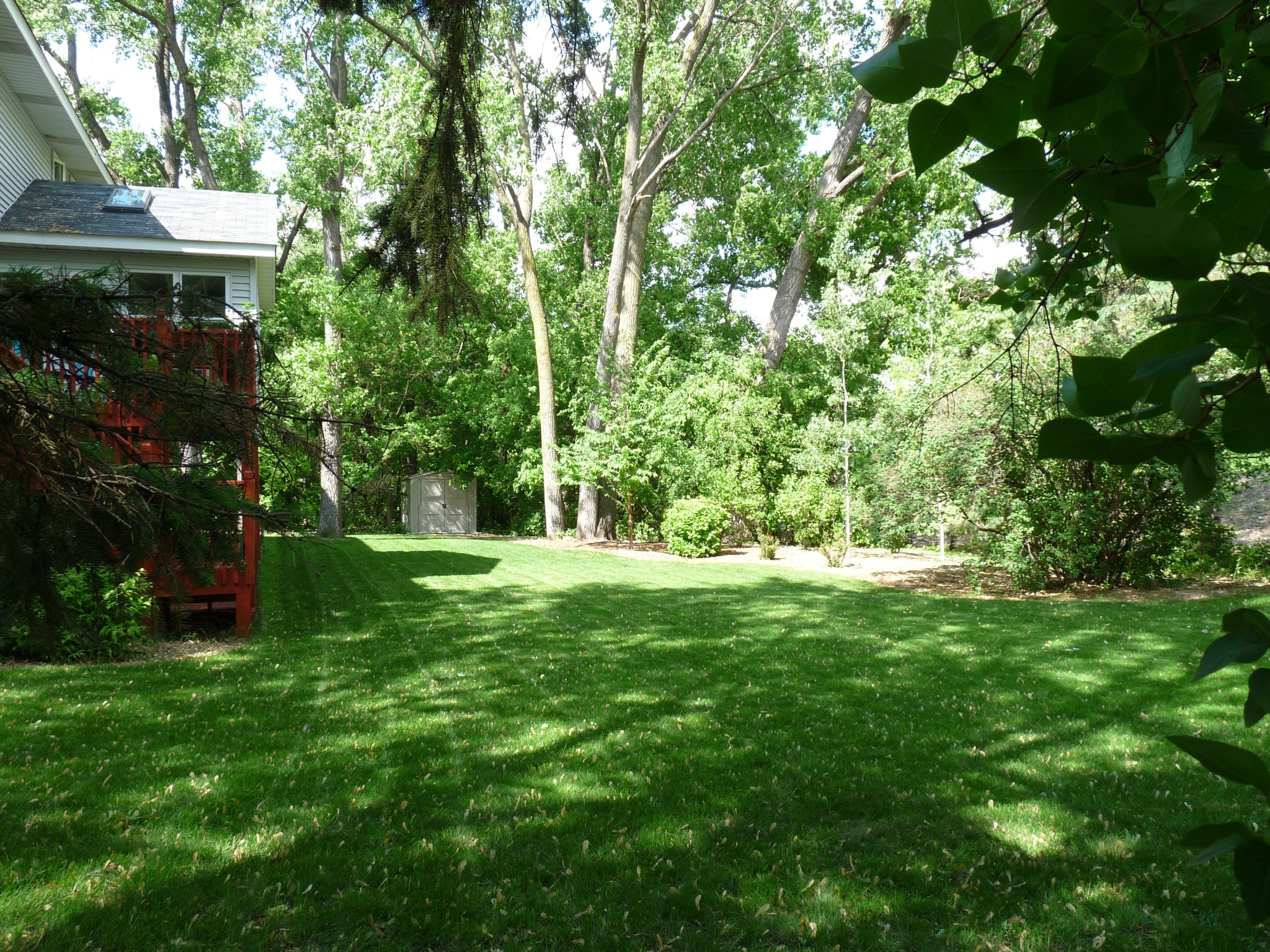
    our old backyard
    Our old backyard

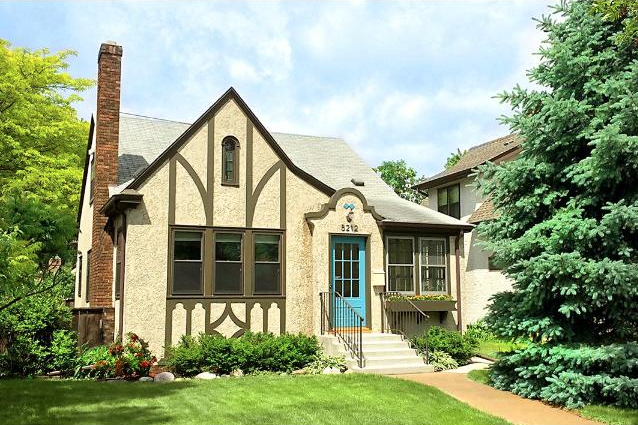
    What we chose is a 90-year-old, story-and-a-half house with a postage stamp-sized yard to replace our 40-year-old, three-story walkout with a generous yard.

    Our new house
    Our new house
    New yard
    New yard

    But the change is deeper and broader than square feet and location. We chose a life that offered new possibilities. We are counting on ourselves to invent the life that goes with it.

    Although I’m pleased with the new home we chose, occasionally I feel disoriented. Everything that was familiar has changed. How much room we need. How much activity we want. How much noise we can stand. How to stay connected to people who no longer live nearby. How to be good citizens in a city of activists.

    Sometimes I feel like I’m on good behavior here. I pick up clutter and put away dishes obsessively—which goes against my messy nature—but I’m trying to learn new ways. I think carefully about what we bring into this house since we have so much less space. We gave away many of the fine things we’d accumulated during the past 25 years. Once we’d unpacked we needed to give away even more. But really, how much stuff do we need? And why? The habit of coveting is hard to break, though.

    Walking around in my nightgown with the blinds down is odd, but our windows face the neighbors’ windows and I value my privacy. I’ve had to get used to locking the doors with a key. All the time.

    But eating breakfast in the glow of the little lamp on the buffet is cozy even if the blinds are drawn. My gardens are so small that caring for them is fun now instead of drudgery. I like walking to neighborhood coffee shops and hiking alongside the creek. The energy and variety of the city appeals to me. Most days, I drive toward my new home without lapsing into autopilot and heading south of the river.

    The bedrock our lives—raising children and working full-time—has given way. The foundations of our new life are couplehood, part-time work, and fun.

    We’re still figuring out what our new life should consist of. So we rearrange the elements we want to keep (good meals, time with friends and family), discard ideas and activities that no longer fit (PTO and soccer practice), and relish the new possibilities (guitar practice and art history classes for my husband). For me, the choices are yet to be determined. I’m making it up as I go along.
  • Why I’m Done Deferring Joy

    Recently, I’ve decided that I’m done “saving it for good.” Nothing’s too good to use. Nothing’s too good to wear. 

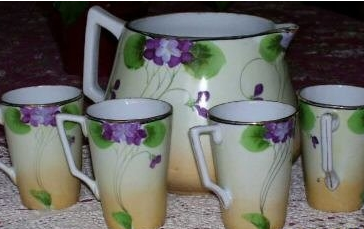
    Mimmie's lemonade set
    Mimmie’s lemonade set

    When Mimmie (my father’s mother) died, I received her handpainted Nipon lemonade set. She’d promised it to me because I’d admired it for years. I also received Grandma’s (my mother’s mother) crystal goblets after Grandma died. I am pleased to own both sets—they are part of my heritage and they remind me of women I love. For 30 years, I’ve “saved them for good,” dusting them but rarely using them.

    I also have dresses, blouses, and a suit I’ve saved for good, which means I rarely wear them. Too often, the clothes are too small or out of style before I need them again. I wind up giving them away—which is OK, maybe someone else can use them—but why didn’t I use them?

    I don’t know whether or not “saving it for good” is a generational phenomenon. As a Baby Boomer whose parents experienced the Great Depression, I was taught that it was important to hang on to and care for the things you had, because somebody worked hard to get them, and you might not to be able to replace them if they got ruined. But somewhere along the line that practical impulse got subverted.

    My special things began to assume too much importance—they had to be protected in glass breakfronts, handwashed and dried, and only admired occasionally. That’s the impulse I’m rejecting. My sons never knew my grandmothers, so the meaning and memories go when I go. If the lemonade cups get chipped, so be it. They are meant to be used and enjoyed, not wind up in an estate sale. I will think of Mimmie and Grandma more often if I use their things regularly than if the items stay in my cupboard.

    Grandma's goblets
    Grandma’s goblets

    I’m also rejecting the idea of deferring joy—that there’s some bigger better moment in the future—some truly important occasion when I should dress up or use crystal. That’s akin to waiting until retirement to travel and then having a heart attack or some other debilitating illness and not being able to go.

    Instead, I’m choosing to live in the moment more—I’m not saving for a rainy day or waiting for the right time. Well, OK, I’m still saving money because, if heredity is any guide, I’m going to live a long time. But I’m spending more joy right now.

    So I’ll use Mimmie’s cups to drink iced tea and sip cabernet from Grandma’s goblets. And when I show up at work in a dress or suit, my coworkers can wonder if I have a job interview, but you’ll know the real story!

    Do you save anything for good? How do you seize the day and spend more joy right now?

  • Middle Age Is The Richest Time

    When my husband said, “Middle age is the richest time,” I thought, “No way.” Too often, middle age feels like loss—of youth, of a sense of possibility, of elders I love.

    No denying, those really are jowls, and since I’m not inclined to have plastic surgery, they’re here to stay. Lovely.

    The big 6-0 isn’t that far off and I meant to have accomplished more—published more for sure.

    My 92-year-old Mom is slipping a lot faster. Her short-term memory has gone on strike, so we have the same conversations again and again. “Are you coming for the baby shower? No Mom, I can’t.  I’ll be in Arizona that weekend,” and the next day, “Are you coming to the baby shower? No, Mom . . . ” At 90, she managed her household and finances. Now her kids take care of that. To be expected, but still. I miss her smart competent self.

    As Dad, who died three years ago would say, “Aging isn’t for the faint of heart.” No kidding.

    So I had to know why my husband, who isn’t prone to positive affirmations or yippee-skippiness of any sort, would say middle age is the richest time.

    Screen Shot 2014-01-22 at 9.39.44 PM“Because at middle age, you can see forward and you can see back. We can vividly recall the experiences our kids are having and we can see how it we’ll be in 30 years.” Hmmm, maybe.

    As each of our sons approached their senior year in college, leaving college for the so-called “real world” looked scary to them. My 22-year-old self was panicky, “Whoa, I gotta get serious. I gotta get a plan. But I don’t have a clue.”

    When each son moved to his first apartment, I recalled how much fun it was to make a place my own.  Like mine, their places were furnished with a combination of hand-me-downs and the discount store shower curtain and towels they chose for themselves.

    When they talk about their girlfriends, I remember the low hum of excitement I felt when I was going out with someone new. I know what a milestone it is to realize that even though I had a fight with the guy I was dating, we worked through it and we were still together.

    So from the vantage point of middle age, I think, “Yes, it is a rich time. I’ve experienced so many things. I know so much more about life. My guys will figure it out too as they get older.”

    Then the glow of that wisdom and those fine memories fades a little. I think of Mom again and dread her loss and the loss of my own capabilities as I age. I tell my husband, “I look at Mom and I’m afraid I’ll be just like her. I forget stuff now!” He wisely says, “Yeah, but your 90’s are a lo o n n ng way off. Don’t waste today worrying about what may or may not happen tomorrow.”

    So I pull back from the brink. This man, this life. I am rich.

    How do you view middle age? If you’re not there yet, what do you expect?  If you’re already middle-aged, what’s it look like?