Saturday morning on a Meet Up hike a woman told me, “Your kids are so lucky to have you.”
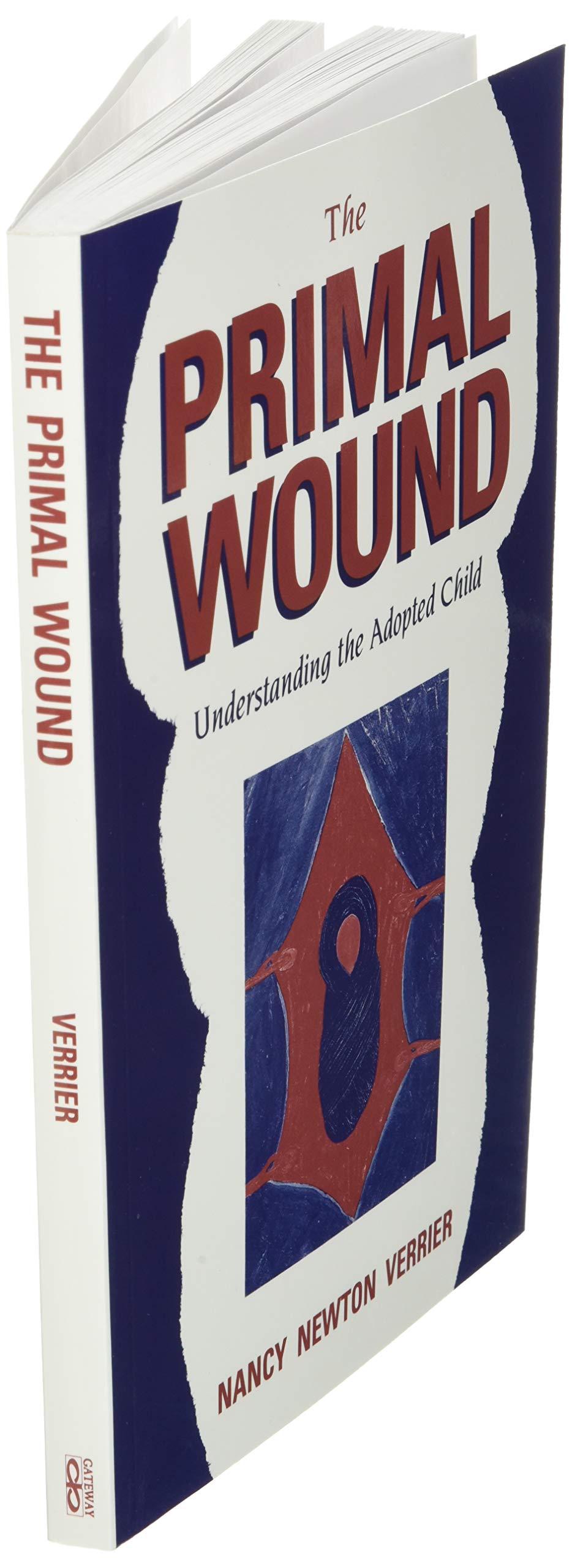
I told her, “Jody and I are infinitely richer with Juan and Crystel in our lives. We are a Family.” We talked about adoption and I told her about a book I’m reading, The PRIMAL WOUND Understanding the Adopted Child.
The premise of the book is the very moment a birth mother relinquishes her infant to a stranger there is a wound that an adopted child will never recover from. I believe this. How does a child reconcile with the fact that their birth mother gave them up?
She then told me her story. Her Chinese mother named her Peter. She would have aborted her if she knew that she was carrying a girl. Her mother tried to give her away many times. No one wanted a girl. She spent her life trying to prove to her mother that she was worth keeping. Her mother died of dementia, never believing in her daughter’s worth. She came to believe in her own worth. Peter changed her name to Jennifer.
When we first adopted Juan and Crystel, we acted instinctively to strengthen their connections to their birthplace and birth families. Their first return trip to Guatemala was when they were age 7, often called the age of reason. Riding horses through remote villages, eying cornstalk houses with plastic roofs, children bathing outside, dirt lawns, scrawny dogs, and laundry being done in a creek imprinted the unspoken reason for their mother’s abandonment.
Juan and Crystel met each of their birth mothers on our 2nd trip when they were 9. They were able to ask each mother, “Why did you give me up?”
We planned three more family trips when they were ages 11,13, and 15.
Jody and I encouraged Juan and Crystel, “Be proud of where you have come from. Be proud to be Guatemalan.”
I personally know the deep pain of primal wound. When I was 9, I told my mother about my brothers sexually abusing me and her reaction was to punish me. My biggest fear growing up in my family, if I complained again, that my mother would send me to a foster home. That would have killed me. It would have been proof that she didn’t want me. Instead, I stayed in our home and endured years of sexual abuse.
My family was all I had.
I had an abortion when I was 14. I had a baby less than a month after I turned 17. I didn’t say a word, wouldn’t even admit it to myself until later, that the pregnancies were the result of sexual abuse in my family.
The primal wound is real. It’s what adopted kids and adopted adults live with. How do you reconcile being abandoned by your birth mother?
You don’t. You live with it.
I told Juan and Crystel I was reading The PRIMAL WOUND Understanding the Adopted Child. “I’m thinking of buying you the book. I can see you in the pages,” I said. I could also see myself and anyone who has lost their mother through death, neglect, or abandonment. They both immediately responded, “No, that’s alright.”
At lunch with Crystel the other day, I told her the premise of the book was that there is a wound from the moment that a birth mother gave their child up for adoption. A wound that is not resolved. “That’s about right,” she said.
Even though the kids don’t want their own book, I can talk with them, and recognize the pain they carry and will always carry. You do not reconcile with the fact that your birth mother gave you away to a stranger.
Jennifer will live with her wound as my kids will and as I will. It doesn’t stop us from who we are or who we will become.
I honor my children, myself, and others in honoring the pain of abandonment.