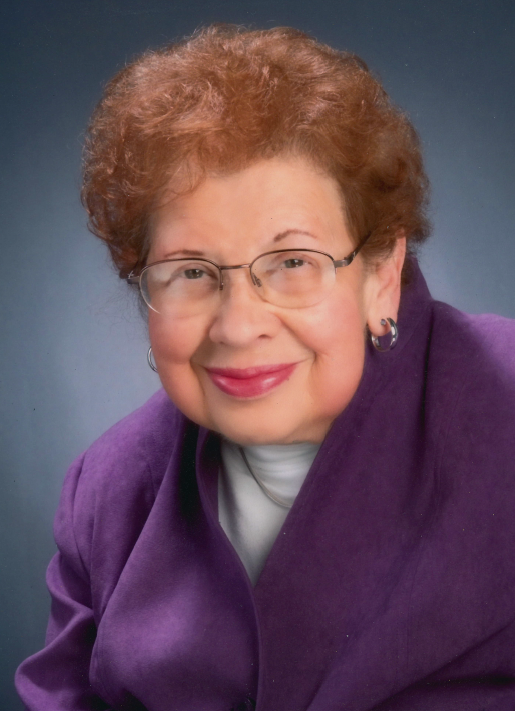
Author: Ellen Shriner

  • Summer’s Over

    Late August in Minnesota has a distinct feeling . . . and sound. By day, the cicadas are buzzing. At night, the crickets are a symphony. Sunrise is at 6:30 a.m., sunset is at 8:00 p.m., and I can feel the dark months coming, stealing the edges of each day.

    For the kids, summer is already over. Each year I’m grateful I’m no longer a student or a teacher. For me, Labor Day is like New Year’s – a time to start a new habit and settle into a new pattern.

    I miss the early mornings when the air is still cool and the grass and flowers are still dewy before the heat of the day blankets us. I miss the balmy summer nights when little breezes stir to keep the porch from being oppressively hot.

    But autumn has its compensations—

    Idyllic days with blue skies and perfect 78-degree temperatures.blue skies & garden


    State Fair excess (Sweet Martha’s melty chocolate chip cookies, corn and blue cheese fritters—crispy, greasy and delicious).

    Sweet martha's


    Farmer’s market bounty: eggplants, peppers, heirloom tomatoes, zucchini, and sweet corn. And apples are already ripening!

    Eggplant&Peppers

    Cool nights when you can sleep under a light blanket with the windows open.

    What do you love/hate about autumn?

  • Tried-and-True Approaches for the Time-strapped Writer

    The WordSisters have been invited to participate in another blog tour about writing processes, this time by novelist Cynthia Kraack, author of MINNESOTA COLD and the Ashwood Trilogy. She just released the final book in the series, LEAVING ASHWOOD. To learn more about her books and blog, visit cynthiakraack.com.

    When asked about my writing process, I’m often baffled—writing processes are as individual as the writers in question—will my process really be helpful to others? But many writers struggle with the first step in the writing process—finding time to write, so I’m offering some suggestions.

    Never give up

    Finding Time to Write Your Blog, Novel, Memoir or Poems

    Our creative writing competes with work, family, or household responsibilities. It’s easy to get discouraged and think, “How will I ever get this project finished? If only I had a week/month/year off. And a wealthy patron.” Here are several tried-and-true approaches for the time-strapped writer:

    • Every day, set a timer and write for 20 minutes. When I heard about this method, I was skeptical—20 minutes doesn’t sound like enough time to do anything substantial! But Jill, a member of my nonfiction writers’ group (and the person who gave WordSisters our name), takes this approach and drafted a novel over the course of a year—20 minutes at a time. Even if you skip a day, the writing time adds up to 2 hours per week.
    • Set aside 2 hours every week for writing. I wrote the first draft of my memoir in 2-hour hunks every Saturday over the course of a year. For my blogs, I usually allow 2-3 hours within a two-week span. I draft a blog in one sitting and revise it another time or two after that. Oh yeah, because my writing time is so precious, I’ve learned to turn off my email and cell phone while I’m writing—amazing how much more I get done without any distractions. The world can wait!
    • Write while traveling. I recently connected with Dan von der Embse, a poet who frequently travels and uses his inflight time to write.

    What’s common to all of these approaches is that although the available time is limited, each writer is committed to writing and has created a significant body of work by using the time she or he did have.

    Eliza Waters blends writing with exquisite nature photography, and her blog is the next stop on this tour. Through her words and photos, she offers readers a breath of fresh air as well as insightful commentary. Be sure to check out her blog!

    Finding Time to Promote Your Blog

    While I’ve acquired the discipline to blog faithfully, I regularly wimp out when it comes to systematically attracting new readers to the blog. I’m uncertain about what to do so I avoid doing anything. Great strategy, huh?

    Please share your wisdom! What has helped YOU find (or grow) your audience?

    Thanks!

  • Writing Memoir Is Risky Business

    Last fall I finished revising my memoir manuscript, BRAVADO AND A SKETCHY VISION LED ME HERE, and I shared it with several friends and family members before I started seeking a publisher. All of them were familiar with the basic premise of the book: it’s a coming-of-age-in-the-workplace story that takes place in 1979-1980. As a young woman, I was unsure about how to apply my feminist principles to my own life—What did I believe? How far was I prepared to go in pursuit of a career? How much did having a relationship and a family matter to me? If I wanted all three, how would that really work day-to-day?

    Sharing the manuscript is scary. I’m exposing my personal life. To judgment – (Your life is boring. Your experiences don’t matter.) To criticism – (The writing is amateurish. The book is poorly written.)

    Writing about my own life means I’m also writing about friends and family in my life. Real risky business. They didn’t ask to be in my book or become part of my creative project. They may resent the intrusion. Hate how I’ve characterized them. Even if I don’t intend to, my words can hurt people.

    There’s a risk that my family won’t like what I’ve written. A risk that goes beyond embarrassment or irritation about the portrayals. More like – “I don’t care for memoirs—all that emotional stuff. I’d rather read a spy novel.” OK, I can handle that. Tastes vary. Vampire novels may be great stories, but they don’t appeal to me.

    But if someone dear to me said, “I’m worried that although I love you, I might not like your writing,” that would be hard. I’d have difficulty separating my relationship from my craft, which is my passion and my life’s work.

    I’m exposing my innermost thoughts. Often they’re innermost for a reason—sometimes because they’re painful. Embarrassing. Unworthy. Or stupid. As a writer, I’ve learned that the painful and embarrassing moments are most worth exploring—they’re most likely to yield the material that others really connect with.

    The story I’m telling is only as good as my craft. As a memoirist, I use my writerly skills to shape the stories I tell. I decide which incidents, feelings and insights will create a story arc and which are extraneous details and better omitted. I use my powers of description, write dialog, and mine my memory for details. I’ve learned to check facts instead of trusting my memory (The lecture happened in February, not November as I recalled) so I can present a scene as accurately as possible. My skills or shortcomings as a writer determine the value placed on my memoir.

    Why take that risk? Some memoirists write in hopes that they can teach others. That’s not what motivates me. Instead, I hope others will recognize something about themselves – “That frustrates me, too.” They’ll enjoy a moment of reminiscence – “OMG, that happened to me!” Or they’ll realize that they’re not the only one – “Wow, I’ve thought that, too.”

    Despite the inherent risks, I examine certain periods of my life to find and share meaning. My experiences are worth writing about, not because they’re mine, but because they’re human and other people will see themselves in some of the central truths of my life, even if the particulars differ. For example, other working women have worried about pay and workplace politics. Today, some young women still wonder about how to balance a relationship with a career, just as I did. Other middle-aged women are looking back and considering their legacy.

    If you write memoir—what makes it worth the risk?

    If you read memoirs—why do they appeal to you?