Author: Ellen Shriner

  • God Bless Middle-aged Daughters

    As I walk into the skilled nursing center where Mom is rehabilitating, I see other women like myself and think, “God bless middle-aged daughters.”

    We’re the sensible, competent women who make it all happen.

    On the street, we often go unnoticed, although we’re attractive. We dress well, but in age-appropriate clothes. No six-inch heels or short skirts. We may carry 10 to 20 extra pounds, but we’re fit, trim, and solid enough to carry the weight of the world.

    On our lunch hour, after work, or during weekend visits, we go see our failing mothers and fathers. We bring them flowering plants small enough to fit on a bedside table/hard candy/clean sox/good cheer.

    We comb their hair and smooth hand cream on their veiny hands and swollen feet. Once they could manage a demanding job or their family’s busy schedule, keep track of birthdays, recipes and grocery lists, but now they can’t remember what you told them five minutes ago, so we answer the same questions again and again. The times they emerge from the twilight, smile and say, “Oh honey, I wish you could always be here,” are heartbreaking treasure.

    As we go back to the office, drive home, or head to the airport, we sigh at the slippage and blink back tears at the losses. Then we put on our game face because somebody else needs us. We keep moving—plan the marketing campaign, schedule the meeting, throw in a load of wash, or make a decent dinner.

    We are careworn. Our lives are not glamorous (and never were—we didn’t aspire to that). We don’t expect much. We can be made happy with so little—a compliment when we don’t feel sexy or a hug from a kid who often seems oblivious.

    Photo credit: Bokal @ Vecteezy.com
    Photo credit: Bokal @ Vecteezy.com

    Sometimes we need to push back our realities for a little while, so we laugh ourselves silly over a stupid joke when we’re out with our girlfriends or sink into the sofa and pour a second glass of good wine.

  • On Loving (and Losing) Pets

    Cat and dog lovers give our hearts to our pets without reservations.

    When we begin a new relationship with a person, experience has taught us to take care with our hearts. But with a new dog or cat, we don’t worry if they’ll like us back, if they are willing to commit, if they will ever cheat on us, or if we’ll outgrow each other. We know they’ll love us wholeheartedly.

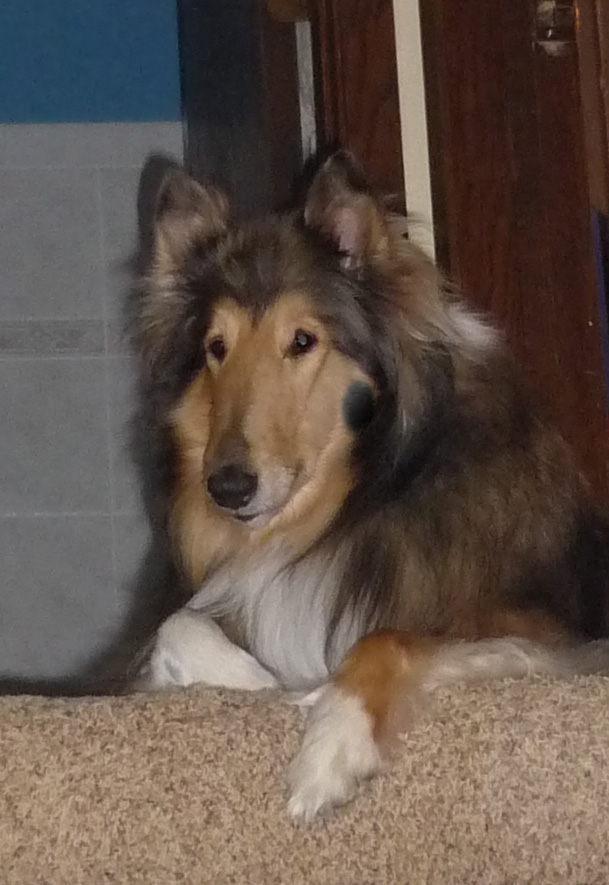
    My Tasha
    My Tasha

    We allow ourselves to be caught up—they’re so cute, sweet, and funny—that we can easily lose all sense of perspective. But we’re enjoying them too much to care if the anecdotes we tell about them have become tedious.

    We overlook how annoying our pets are—the messes, the whining, the way they eat stuff they shouldn’t, wreck our things, chew/scratch/claw—it’s all OK, because we’re besotted.

    We worry about their health, pay hundreds of dollars in vet bills, fuss over special foods, and adapt our schedules so we can take care of ailing pets.

    Ultimately, we agonize over end-of-life decisions: Do we have the right to keep them going even when they’re sick and in pain, because we aren’t ready to lose them? How will we know when they’ve had enough? How can we bear to part with them?

    Despite knowing we will likely outlive our pets, we willingly take on the cycle of loving/caretaking/loss, because our pets give us so much joy. Unreservedly.

    For anyone who has lost a beloved pet recently—especially Beth, Pam, Margo, Becky, and me.

  • A Cautionary Tale: How does a beloved friend and aunt fall off the face of the earth?

    My Aunt Corinne was someone who stayed in touch with dozens of people. She had 18 nieces and nephews and a similar number of grand nieces and nephews. She had three lifelong friends and approximately 10 good buddies from the various groups she participated in. She sent birthday, holiday, and thank you cards to all of them. Her photo albums were filled with meticulous notes—names, dates, and locations. She was serious about keeping up with people.

    Aunt CorinneYet when my siblings and I were planning her funeral, we were thwarted in our efforts to notify her friends and in-laws. We didn’t have her address book, and we didn’t know the last names of some of the key people in her life. Uncle Bob, her husband, had been dead for 15 years. We’d never met his relatives.

    The breakdown in communication occurred over the course of several years.

    Her address book got lost when she moved from her assisted living apartment into a nursing home. My siblings and I didn’t know it was gone or even think to ask about it. We assumed she kept in touch with the people who mattered to her.

    The problem was compounded when the apartment management couldn’t or wouldn’t tell Aunt Corinne’s in-laws and the nieces and nephews from that side of the family what nursing home she had gone to.

    Aunt Corinne lost the drive to manage the details of her life.

    She was still lucid, but her world had shrunk to a bed in the room she shared with another nursing home resident. She simply didn’t have the emotional energy and mental focus to reach out to family and friends or to ask us to do it for her. We wondered why she didn’t have more visitors and why more of her many nieces and nephews didn’t get involved with her care. But we didn’t want to be judgmental or make her feel bad by asking, so we shrugged off our questions.

    Someone at the church Aunt Corinne attended heard about her death and told her circle of friends, so half a dozen of them came. Eventually we tracked down the names of Aunt Corinne’s in-laws and they spread the word. A few more friends and former coworkers read about her funeral in the newspaper. We were relieved that nearly 30 people were on hand to remember this special lady who always made a point of remembering them.

    Losing touch is easier (and therefore, more troubling) than I ever thought possible.

    When I consider the many ways I stay in contact with friends and family members—phone calls, texting, emailing, social media, Skype, snail mail—it seems astonishing that anyone could drop off the radar. Most people associate accidentally losing contact and being unable to find friends and family as the sort of dilemma that could only happen to refugees who are separated because of war or a natural disaster. But Aunt Corinne lost many of her connections because of a series of small mishaps and unasked questions.

    Well-intentioned people lose touch even when they’re trying. It isn’t that hard.