Although this week is a blessed reprieve, winter came WAY too early to Minnesota. This year, we had high temps in the mid-20s on Veteran’s Day and by mid-month we had single digit lows. And snow. Jeesh.
This unwelcome weather called for drastic rethinking of my usual approach: gritting my teeth, hunching my shoulders against the cold, and waiting for it to be over. Instead, I’m trying to embrace winter and focus on what I do like. So here goes—
Drinking hot tea – Holding a hot mug full of tea warms you up. Drinking it warms you up even more. I don’t see much of my favorite mugs during summer, so it’s a treat to pull them out. I stash the peppermint and green tea with blueberry (good as iced tea) in favor of Celestial Seasonings Candy Cane Lane and Gingerbread Spice—teas that are sold only in winter.
Eating homemade soup and stew – Stew is such an ugly word for the wonder that is Guinness stew (tender chunks of beef braised for hours in a rich beer and onion gravy served over champ – an Irish version of mashed potatoes made with green onions) or Hungarian goulash – not the hamburger hotdish, but beef simmered with spicy paprika and onions. Chicken mole chilé – spicy with a hint of cocoa – the taste is rich with nothing sweet about it. Tortellini soup with chunks of carrots, zucchini, and Italian sausage. Mmmmm.
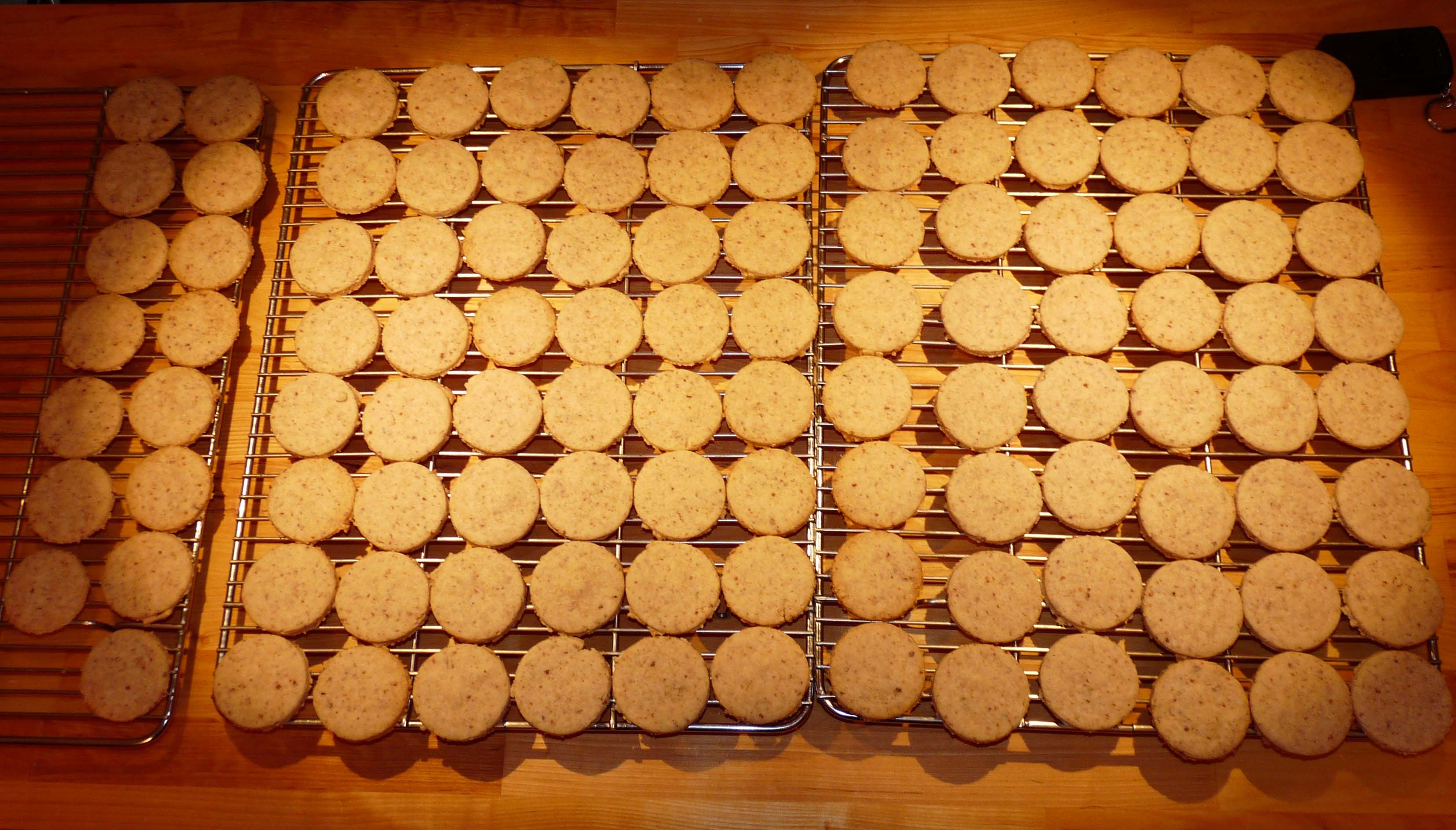
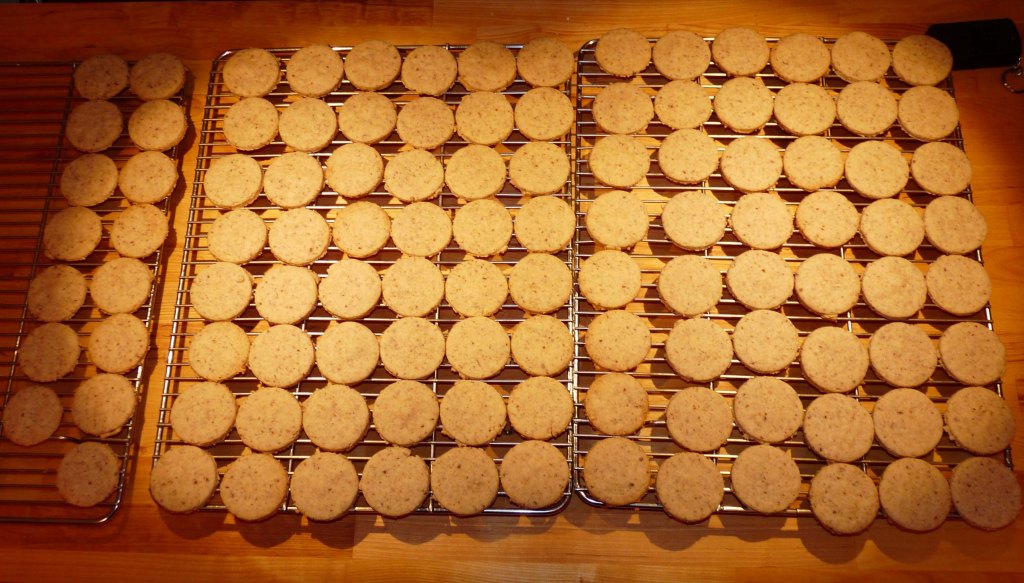
Baking Christmas cookies – Maybe I should really say eating Christmas cookies since that’s mostly what I do. My husband is a whirling baking dervish who makes dozens of breads, spitzbuben, chocolate cherry espresso drops, spicy peanut butter cookies dipped in chocolate, and almond bars, while all I usually manage to make is a batch of ginger cookies and frosted sugar cookies.
Watching TV shows while I exercise (re: cookies) – While I log miles on the treadmill, I catch up on the TV shows I never watch from April through October. I love going to the movie theater to see the year’s best movies. Plus, Mad Men and Downton Abbey resume in January (geeky fun – I can’t wait!)
Wearing Smartwool sox – OMG are they expensive, but they work. My feet are warm and dry. So worth it. So are silk long johns, a puffy down coat, shearling boots, mittens, and earmuffs. Yes, I’m aware that by New York standards I’m one big walking Fashion Don’t. And I get tired of putting on all of that, but I hate being cold even more, so look out for the hot pink parka headed your way – that’s me.
 Seeing Christmas lights, moonlight on snow, sundogs on January mornings – Yes, I hate that it’s full dark at 5:00 p.m. in December, but there’s something so fanciful about Christmas lights—they help tamp down the gloom. To me, it’s magical when the moon reflects off the snow and casts blue shadows—so occasionally I’m willing to don all of the gear described above so I can walk on a quiet winter’s night.
  Sundogs (flame-shaped rainbows that flank the rising sun like parentheses) appear only in the dead of winter when it’s really cold—a small compensation for being up early when it’s minus 20.
I haven’t completely lost my mind. I still hate tear-your-face-off winds, shoveling snow, icy sidewalks, slushy streets, sooty snow clumps chunking off my car and hulking in the garage. And no, I’m not a skiing, skating, snowmobiling, ice fishing nut. But winter does have its rewards and if I’m going to win this battle against Mother Nature, I have to outwit her. Starting now. With Irish coffee – the kind with Bushmills and whipped cream.
How do YOU cope with winter?