Author: Ellen Shriner

  • Why I Want a Coloring Book for Christmas

    Why I Want a Coloring Book for Christmas

    Screen Shot 2015-12-10 at 8.46.13 AM  I can’t pinpoint what makes visual pursuits like paper projects, quilting, and flower gardening so refreshing to a bizzy dizzy mind, but I have a few theories.

    One is that I read and write words all day, so shifting to nothing but color, shape, and design relaxes me. I engage a different, less used part of my mind. With visual pursuits, I’m not explaining, persuading, or struggling to find meaning, as I must when I’m writing.

    It’s also playful.

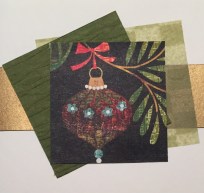
    As a writer, I need to do a respectable job with whatever I write. But with visual pursuits, nobody but me cares how well I do. If I make holiday cards, I’m strictly pleasing myself. For me, fooling around with bits of paper is fun. I never get bored with the possibilities for color and texture: ridged green paper, lime checkerboard tissue, bronze matte vellum.card
    I have to concentrate hard enough that everything else gets crowded out.

    Because I’m not as visually talented as my graphic designer friends, I have to try out the combinations to see what works and what doesn’t. When quilting, what happens if I put this red fabric next to the gold? Repeat that color and create a pattern? Does this fabric work or is it too busy?quilt


    Designing flowerpots and gardens also involves color and design, but now the shapes are 3D, so I have to think how tall and wide each plant variety will get. This leads to a lot of standing around thinking at the garden store and again in my yard. What if I put a lot of shades of purple with white? I shuffle bedding plants around until I have an arrangement that seems to works. Even so, after a few days, I may uproot and relocate a zinnia or geranium if it doesn’t look right.

    IMG_1649


    While I’m solving a visual puzzle, I can’t think or worry about anything else. I’m completely absorbed. So often our days call for doing things to meet other people’s specifications, so there is real pleasure in envisioning something and then creating it to my specs.


    I suspect that’s one of the reasons why adult coloring books are popular now. What colors you select are up to you. Only you. I imagine it’s soothing. Filling in a little section is completely under your control, unlike so many things in life. Plus coloring is mindless. No big commitment of time, materials, or brainpower is required. Coloring isn’t earthshattering or important, but it looks like fun and fun is good. I intend to find out.
  • Thanksgiving Almost Gets Lost in Translation

    Tutoring adult immigrants in English invariably leads to explaining American culture. Since it’s November, we have been discussing Thanksgiving. We talk about the pilgrims being hungry because there was a bad harvest. Our textbook includes illustrations of Native Americans introducing the pilgrims to local foods. I describe a traditional Thanksgiving meal. When I ask if they and their families will celebrate Thanksgiving, most of them shrug. They find it hard to relate to pilgrims or our Thanksgiving rituals.

    It isn’t because the immigrants aren’t grateful. They are. Grateful to be in the U.S. Grateful for opportunities and the ability to live in relative peace.

    Traditional Thanksgiving foods don’t make sense to my students.

    It’s hard for my students to understand why roast turkey is the centerpiece of a celebratory meal. They are familiar with chicken seasoned with cinnamon, coriander, and tumeric in a tagine. Or chicken and vegetables made with garam masala. Chicken spiced with hot chilies and added to posole soup. Chicken stir-fried with ginger, pea pods, and bok choi. But slabs of dry, tasteless turkey?

    Many native-born Americans aren’t excited about turkey either, as evidenced by endless recipes centered on making it palatable. A whole industry (how-to articles, turkey hotlines, menu planning and recipe articles) has sprung up to help cooks successfully prepare this old-fashioned meal.

    It’s hard to connect with a tradition that began almost 400 years ago.

    Our lives are very different from those of the pilgrims. For native-born Americans and immigrants alike, the first Thanksgiving in 1621 is just a picture in a book. The pilgrims’ reality that a poor harvest could lead to starvation is only theoretical to most Americans. We associate hunger with running out of money before month-end.

    Except for farmers and ranchers, most of us don’t harvest anything. We don’t kill the animals or fish we eat unless we’ve chosen to hunt and fish for sport. Those of us who grow vegetables do so because we enjoy the work. When we do raise the food we eat, it’s a choice, not a necessity.

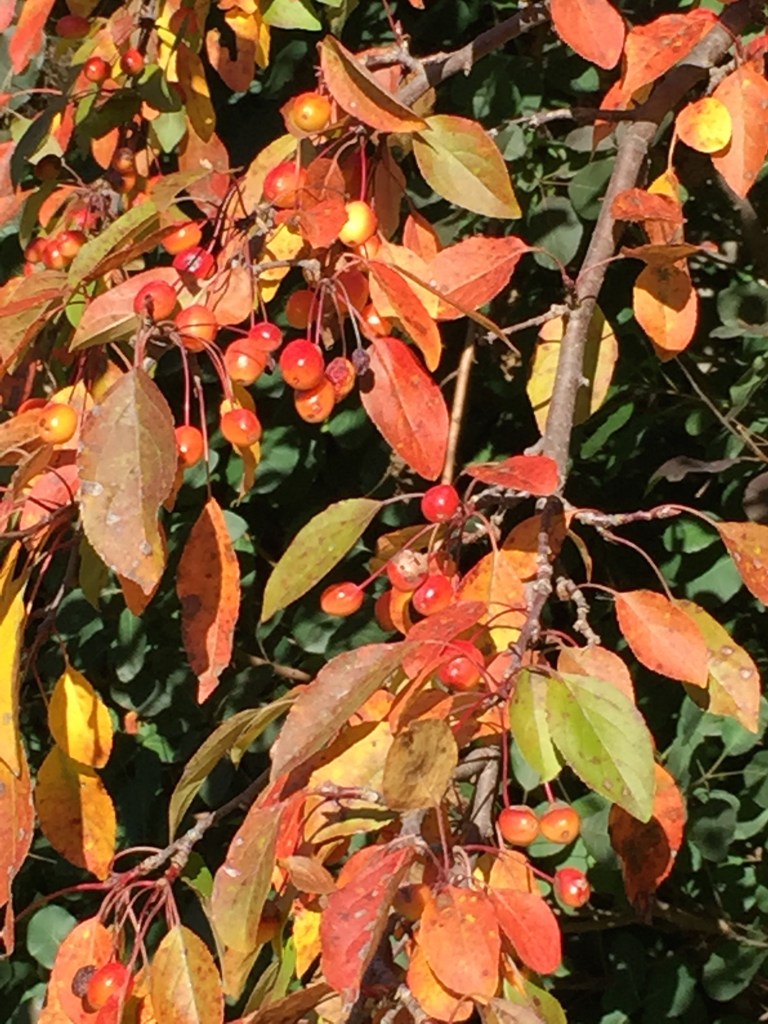
    Going into a bog to gather sour red berries for a side dish is also hard to imagine. The pilgrims must have been pretty hungry to go to the trouble, especially since cranberries require a lot of sugar to be edible, and oranges weren’t readily available.

    Squash may be the only part of the meal that my students can relate to. Africans, Indians, Pakistanis and some Central Americans eat squash. They don’t usually cook it until it’s mushy, flavor it with sugar, nutmeg, and cloves and bake it into a pie, though. Aside from foodies, most native-born Americans wouldn’t bother harvesting and processing pumpkin for pie either. Pumpkin is something that comes in a can and costs less than $2.00. Why work that hard?

    Although the connection to pilgrims and the foods they ate is tenuous, native-born Americans are willing to eat roast turkey, cranberries and pumpkin pie, because we grew up with them and they’re traditional. However, that menu is unfamiliar and unappealing to my students.

    I reduce Thanksgiving to the basics to help my students identify with it.

    I tell them that the pilgrims were immigrants, too. Life in America was harder than they expected. They were hungry. The people who lived here—Native Americans—helped the pilgrims. The pilgrims learned to eat odd foods so they wouldn’t starve. It’s good to gather with family and friends, eat good food (whatever that may be), and give thanks for what you have.

    We all agree that we have many things in our lives to be grateful for.

    The WordSisters are grateful for you.