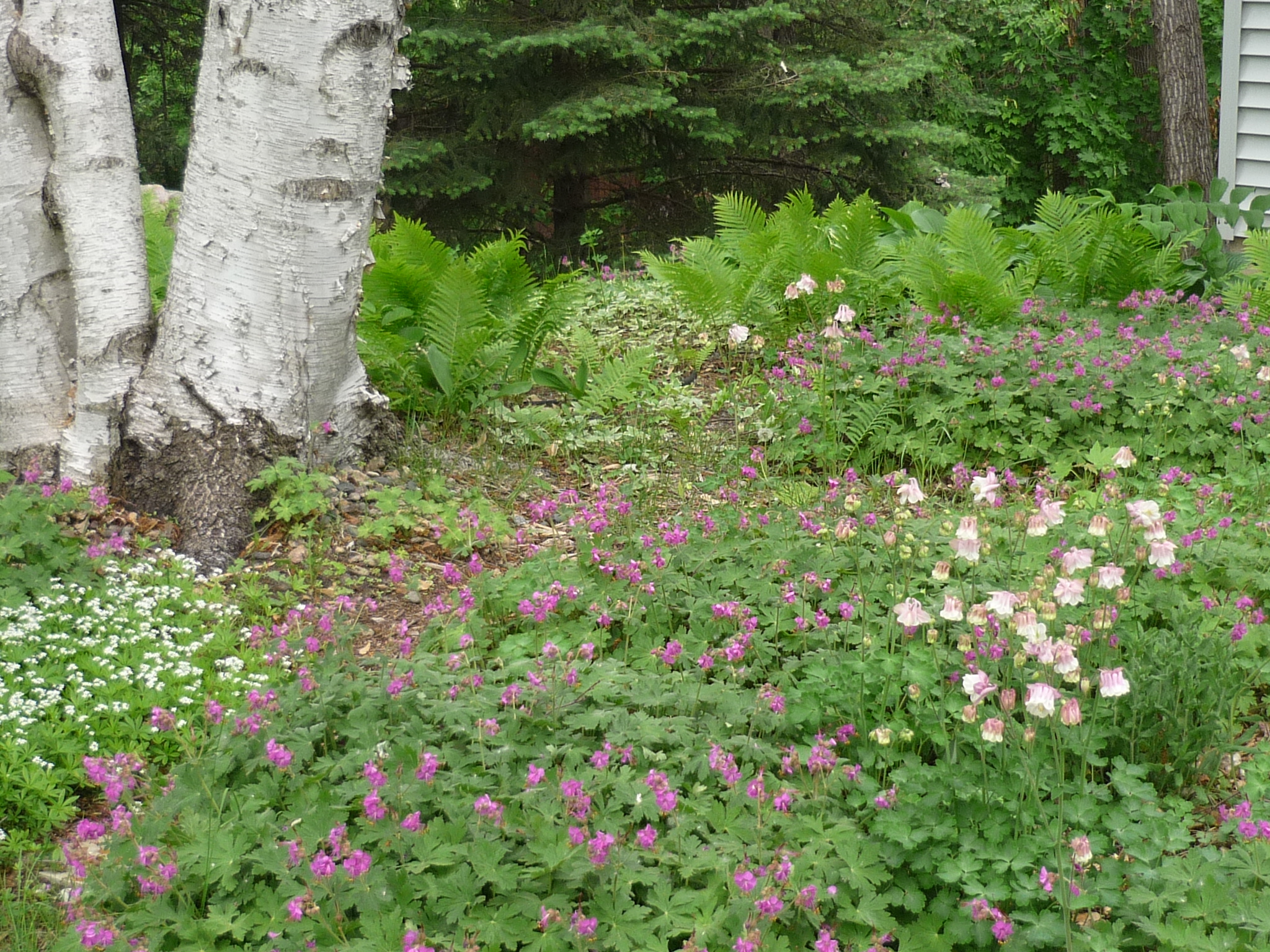
In late April and early May, my mind is abuzz with gardening and landscaping plans. I research plants, dream up color schemes, make lists, haunt garden centers, and chart the hours of sunlight for my new garden—yep, I’m hardcore. In years past when I had a large suburban lot, my focus was on what to do with all that space.
One of our four large gardens in the suburbs
Now that I live in the city and have a very small yard (intentionally), I focus on defensive landscaping—how to create something attractive to camouflage undesirable views, including those of my much closer neighbors’ yards.
Create an inspiring view for my office window.
My current view
What if I had a silver moon clematis growing on a trellis by the garage?
Cover up my neighbor’s deteriorating garage.
Sigh
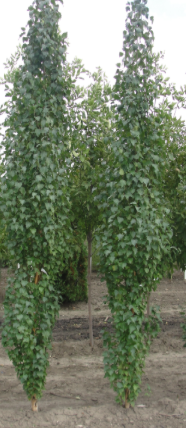
Maybe a columnar birch would camouflage the neighbor’s garage.
Add native grasses to screen the view of the alley.
John’s new fence adds some privacy.
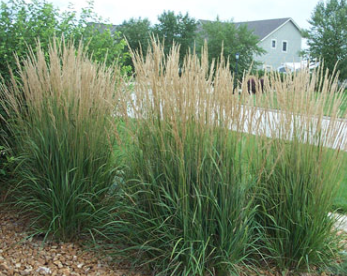
What if we added clumps of feather reed grass along the fence like this?
In April everything seems possible. By August, it’s all over. But if this year’s plan doesn’t turn out as great I’m picturing, there’s always next year!
Periodically, a writers’ group I belong to has a writers’ retreat. This weekend we stayed at The Anderson Center in Red Wing, Minnesota.
It’s an inspiring place—a stately old home set on acres of land with a sculpture garden on the grounds. There’s a sunny library filled with novels, volumes of poetry, memoirs, histories, and art books. Many were written and contributed by the Center’s guests. In each of the bedrooms, there are journals in which previous visitors (including some well-known writers) commented on their stay. Often they mentioned a breakthrough and expressed gratitude for the Great Things they accomplished . . . which was a bit intimidating.
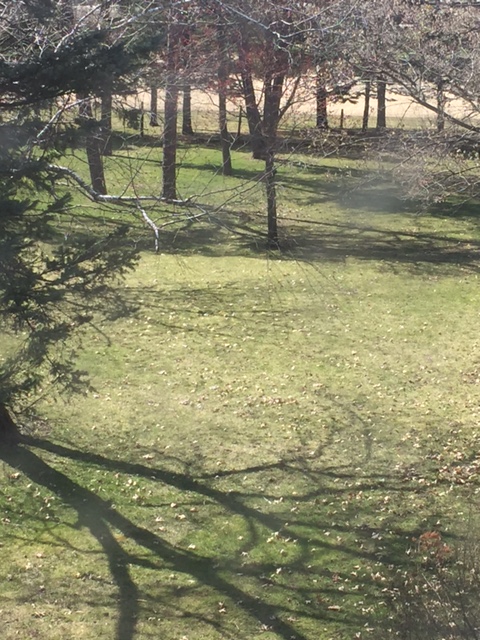
Contemplative view from my window, minus the other treasure hunter
On Saturday morning, I sat at my desk and stared out the window.
Outside, a young guy in a hoodie and camo pants moved among the trees, sweeping a metal detector across the lawn. He squatted, dug up something with a trowel, then repacked the dirt, and smoothed it out.
What could he possibly have found—a bottle cap? A quarter? The Anderson House is nearly 100 years old. Maybe a long buried artifact had worked its way to the surface.
Inside, I too was treasure hunting. I sifted through files, piles of words, scraps of images, mining my mind for a memory or a line to spark inspiration.
We both worked doggedly at our tasks.
I hoped to uncover an idea that would justify my presence there, so I’d feel worthy of the gift of time.
Quickly I covered up that wasps’ nest of self-doubt and tamped down my frustration. Smoothed over my prickly worries. Don’t be so driven. That’s not how inspiration works.
I reminded myself: Just spend the time. Do the work.
Several years ago, Lisa, our writing group’s founder, tried to quit. She feared the realities of her treatment for stomach cancer (belching, gas, occasional gagging, and a backpack of liquid food that connected to a port in her stomach) were off-putting. She was also discouraged, because “she wasn’t contributing anything,” meaning that she didn’t have any writing to share with the group.
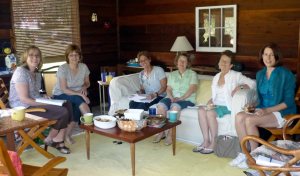
The WordSisters a few years ago — Brenda, Jill, Elizabeth, Ellen, Lisa, and Jean. Rose is behind the camera.
The other five members of the group listened, but as she talked, it was clear that thinking about writing gave her a break from thinking about her health, and she still enjoyed our company. One member suggested that we could all chime in with our own bodily noises if it would make Lisa feel more comfortable. We swiped away tears and laughed ourselves silly at that suggestion. Lisa agreed to stay involved in the group.
We support each other as writers.
That moment exemplifies the basic philosophy of our creative nonfiction writers’ group and why we’ve been together for 13 years: we meet to support each other as writers. Sometimes that goes beyond reacting to each other’s writing.
Besides giving each other feedback about writing projects, we also provide moral and tactical support:
Celebrating our publishing victories and sympathizing when someone’s work is rejected.