Author: Ellen Shriner

  • Back To School Blues

    For 22 years—first as a student and later as a college instructor—the school year framed my days. Consequently, the first day of school still evokes strong feelings.
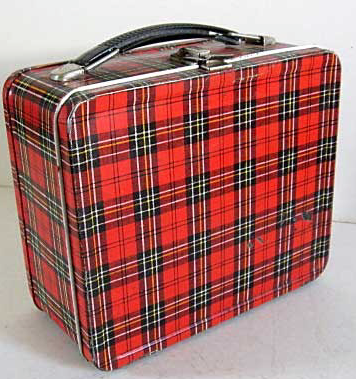
    red-plaid-lunch-boxWhen I was younger, heading back to school touched off a prowling anxiety. Worries stalked me at odd moments—What if I can’t find my room? What if none of my friends are in my class? What if the teacher is picky and mean? Once classes were underway, anxiety gave way to feeling trapped. Oh God, I’m stuck in school for months on end. Lectures, homework, tests. Somewhere between Day 1 and Day 2, I accepted my fate and began to acknowledge bright spots—a teacher who liked to joke, Oreos in my plaid lunchbox, or a book I didn’t mind reading.


    When I began teaching college English, I discovered teachers often dread the start of school, too. For me, it was a sinking feeling that began several weeks before school started. Oh, God, I need to make a syllabus, which means I have to decide exactly what I’m covering: choose readings, dream up in-class exercises, and plan the assignments. What if I get a handful of surly students? They could completely undermine the class dynamic for 10 weeks. tan-brief-bag

    My anxiety culminated in a night-before-the-first-day-of-class nightmare. Every quarter, I dreamed a variation of this dream: I’m 20 minutes late to class. I’m walking down an endless corridor and can’t find the room I’m supposed to be in. I finally arrive only to realize that I’m in my pink chenille bathrobe and the students have given up on me. Some of them are already in the English department office complaining about me. My stomach would be roiling when I woke up. As I stuffed my leather briefbag with mimeographed syllabi, lecture notes, and my grade book, I laughed at how ludicrous the nightmare was.


    This fall, on the first day of class, I was surprised to again feel a frisson of nerves. What if I got lost or showed up late? Just to be sure, I double checked the transit routes and downloaded a campus map. What if the professor thinks retirees are cranky know-it-alls? Do I really want to show up twice a week and sit through lectures?

    Wait. Yeah, I do. Anxiety about the first day of school may be deep-seated, but it no longer makes sense. I’m only auditing a history class at the University of Minnesota. There’s no pressure to perform as a teacher or as a student. In the rush of those habitual feelings, I’d nearly forgotten that the beginning of school also sparks an invigorating sense of a fresh start.

    backpackI loaded up my backpack with the three heavy textbooks—ooof—and set off.
  • Goodwill, Here I Come

    It seemed like a great plan: I’d take my no-longer-needed work clothes to a consignment shop and make a little money. Consignment store clothes are already inexpensive, and consignees only get a cut of the price—say 40 percent. So maybe I’d make $20. Then I’d use the cash for something fun—a little treat.

    Choosing what to discard (a la Marie Kondo) was hard. I liked the clothes, felt good in them, and had enjoyed wearing them. But it didn’t make sense to keep them, since I no longer needed business attire. Maybe somebody else could use them. Last winter, I came up with a pile of about 15 pieces—jackets, tops, and pants. I washed them, hung them on hangers, and tried to keep the cat and his walking cloud of cat hair away from them.

    Feeling virtuous and lighter, I called around and learned that the stores don’t want winter clothes in the winter. August is when I should bring in my fall and winter items. So I moved the clothes to the back of the closet and made a note on my calendar.

    Last week, I loaded up the items and drove them to a nearby consignment shop. The sales associate said it would take an hour or so to go through my stuff. I assumed that meant deciding how to price everything. I took off to run some errands.

    When I returned, I warned myself that the prices for my things might be lower than I expected. My cut might be small. Oh well, it was just meant to be fun money. No big deal.

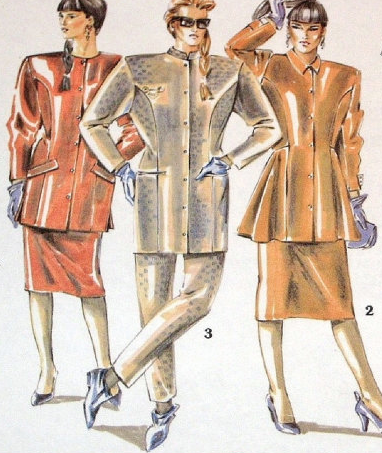
    When I found the sales associate, she said, “We are only able to accept a few of your clothes. Everything else is more than three years old.” In other words, my stuff was too out-of-style. I have never considered myself to be a fashion maven, but I thought my clothes were within acceptable limits for middle-aged business style. It’s not like I brought in a bunch of 1980’s power suits with jumbo shoulder pads.Power Suit pattern

    “Do you want to take them back with you? If not, we can donate them,” the sales associate suggested. After making the decision to part with the clothes, I wasn’t bringing them home again. “No, go ahead and donate them,” I told her. I glanced at the three things she was keeping for sale and thought, “I’ll be lucky if I get $5 out of this. That’s a lot of work for a cappuccino!”

    I laughed as I left the store and mentally paraphrased David Foster Wallace, “That’s another supposedly fun thing I’ll never do again.”

    Next time I clean out my closet, I’ll go directly to Goodwill!

  • Celebrating Retirement

    Last week I celebrated one year of retirement. “Celebrated” is a key word. While I was happy to retire last August, I felt a little undercurrent of worry—I didn’t exactly have a plan. For many people, not having a plan sounds like what retirement is all about. But to me, making such a major and irreversible move called for a blueprint. As in what I am I going to do for the rest of my life? Which suddenly seemed more finite.

    Retirement is an Identity Change

    Retirement is a major identity shift akin to starting a career, marrying a spouse, or becoming a parent. You see yourself differently. A wise friend advised that it might take up to a year to figure out retirement, and it has.

    Who Am I Without My Profession?

    Americans often identify with our professions. I have worked since I was 16, and I babysat before that, so paid work has been part of my life since I was 11. I went to some effort (getting a graduate degree, moving across the country three times) to launch my career—first as a teacher and then as a copywriter. In 1979, when I started teaching college full-time, the working world wasn’t welcoming to women, and I had to fight to belong. By the time I started copywriting five years later, I had toughened up and the workplace was less openly antagonistic. My early experiences shaped me, and having a career became an integral part of who I am.

    My other roles—wife, mother, sister, and friend—have remained constant in retirement. But last August I wondered, “What does it mean to let go of the career I worked so hard to have? What happens to all the experience and skills I’ve gained?” Today, the answer is that I’m still a writer—an essayist and blogger, and I volunteer as a marketing communications copywriter.

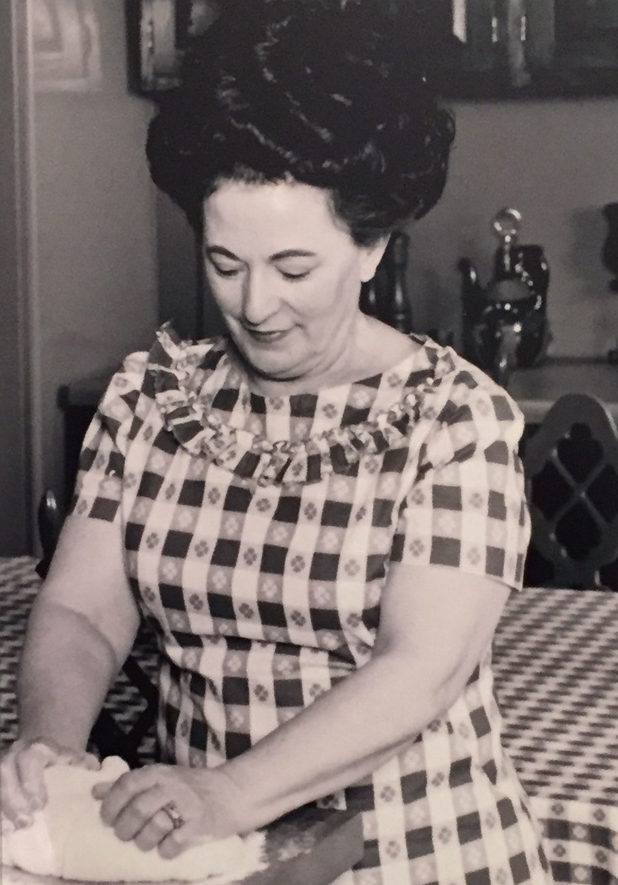
    Me in retirement--just kidding--it's Rose Totino
    Me in retirement–just kidding!

    That’s how I see myself, but early on when I mentioned my new status, I learned that the word “retiree” conjures up someone who’s out-of-touch and lives for coupons. Now when I meet people, I simply describe the work I do.Ellen in Hawaii


    People Openly Wonder, “What do you do all day?”

    It’s a legitimate question. A year ago, I too wondered how to create a life that is fulfilling and fun. What exactly was I going to do with my time? The answer is more of everything I did before. I sleep half-an-hour longer. Most days, I walk for an hour because now exercising doesn’t have to be a trade-off (i.e., either I exercise or I have fun).

    Housework, cooking, and grocery shopping still exist in retirement. I’m determined not to become obsessive about any of that, but now I might take an extra five minutes to dry the pots and pans after I wash them instead of letting them air dry as I did before. Why not? I have time.

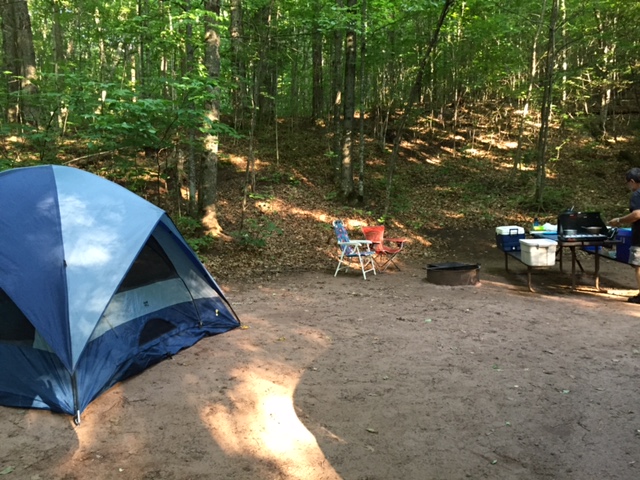
    Camping in WI
    Camping in WI

    Today, I read, write, travel, socialize, and volunteer more. Probably the main difference is that now I have more time to explore or learn new things in classes at the University of Minnesota, the Loft, or community education.

    I wasn’t planning to retire last August at 61; I expected to work two-and-a-half more years. However, when a stroke of luck gave me the opportunity to leave early, I did. I am very grateful to be retired now. Eventually old age will find me. But for now I’m enjoying the gift of retirement. I want to use my time well.