
We wish you happiness and peace now and in the new year!
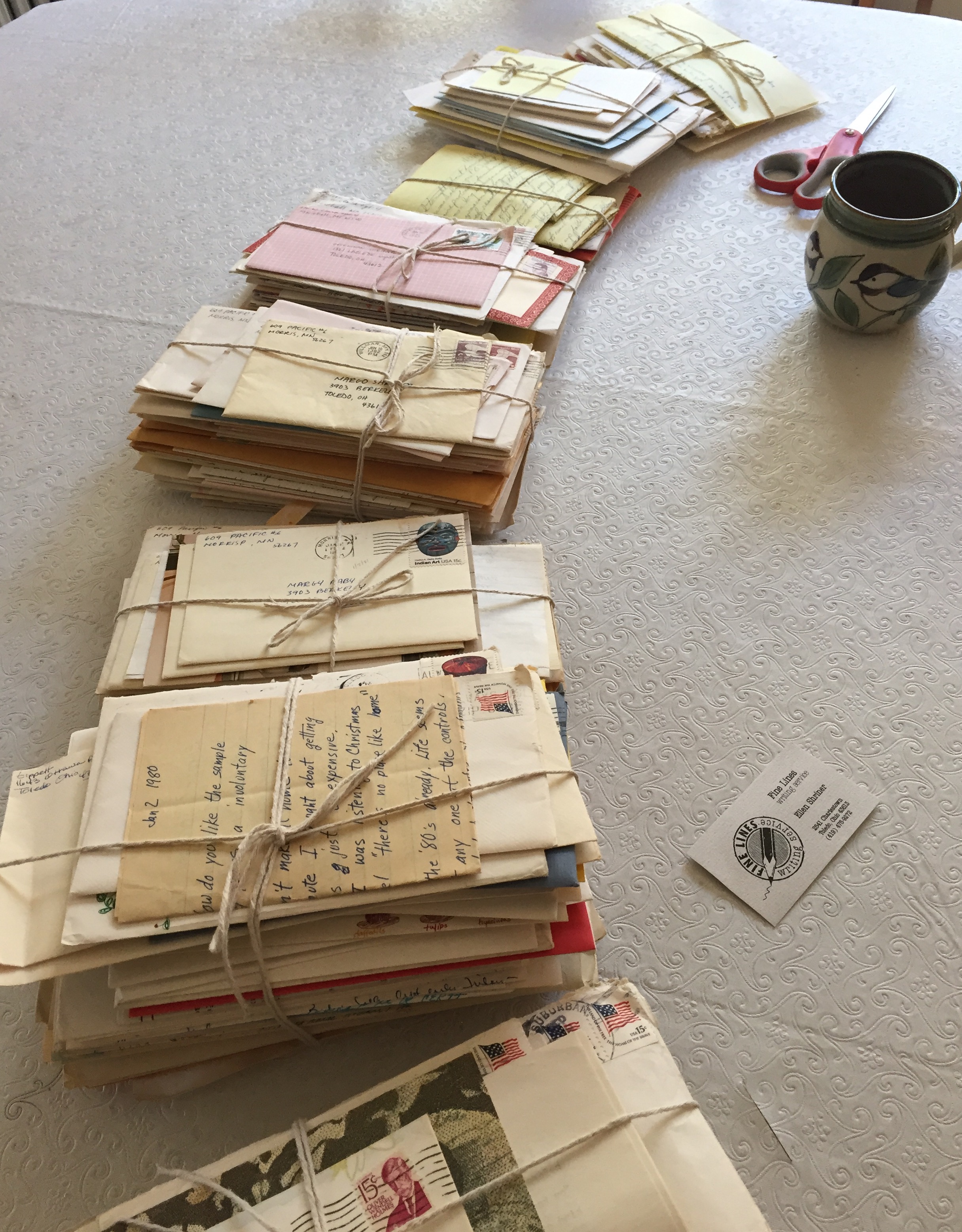
In 1979, when I moved from Ohio to teach at the University of Minnesota-Morris, I was lonely and homesick, so I wrote long letters to my sister, parents, and close friends every week. I couldn’t afford to make as many phone calls as I wanted. One 30-minute weekend call cost around $6, which would be close to $18 in today’s dollars. Four weekend calls per month would add up $72 today. When my oldest son moved to California last June, I thought about those letters again. How much they helped. All of the love they represented.
I don’t know why I saved them when I was 25-29 and again when I was 33-35, but I wasn’t the only one who kept them. My mother and sister did too, which is why I have the ones I sent as well as the ones I received.
Why did I hang onto the letters long after I received them? They are my history. They were a lifeline when I was far from home. They felt valuable even if I didn’t know why. I was in my 40’s before I recognized that writing personal stories (essays, memoir, and blogs) would be my genre.
Writing letters was a creative outlet as well as a way to stay connected. I used a good pen and carefully chose stationery that expressed my taste—maybe something embossed with a seashell or printed with a Sandra Boynton cartoon. Sometimes I invented fake memos and typed them on official university stationery. Writing those letters made me feel more real at a time when I felt isolated and out of my element. Spinning yarns about my boring life made it more bearable.

Reading letters was a ritual. Finding a letter in the mail made my day. They were a shot of love, a touchstone that centered me and helped restore my equilibrium. I didn’t tear them open in the hallway by the apartment mailboxes and speed-read them. Instead, I’d fix a mug of tea or crack open a beer, get comfortable on the sofa, and read. Then reread. Save the letter to look at later. Within a day or two I’d begin composing a reply.
Staying close is so much easier now. My son and I talk as often as we want for as long as we want—cell phone calls are cheap. The emails, texts, photos, or mini videos we send each other have so much more immediacy. There’s no need to compress all of our love, questions, answers, advice, and stories into 10 handwritten pages and wait 3-7 days for an answer. It’s quicker to call.

However, earlier this summer, I was nostalgic for the stories, drawings, and jokes shared in letters. I missed handwriting, which conveys so much personality and I missed the pleasure of selecting good paper.
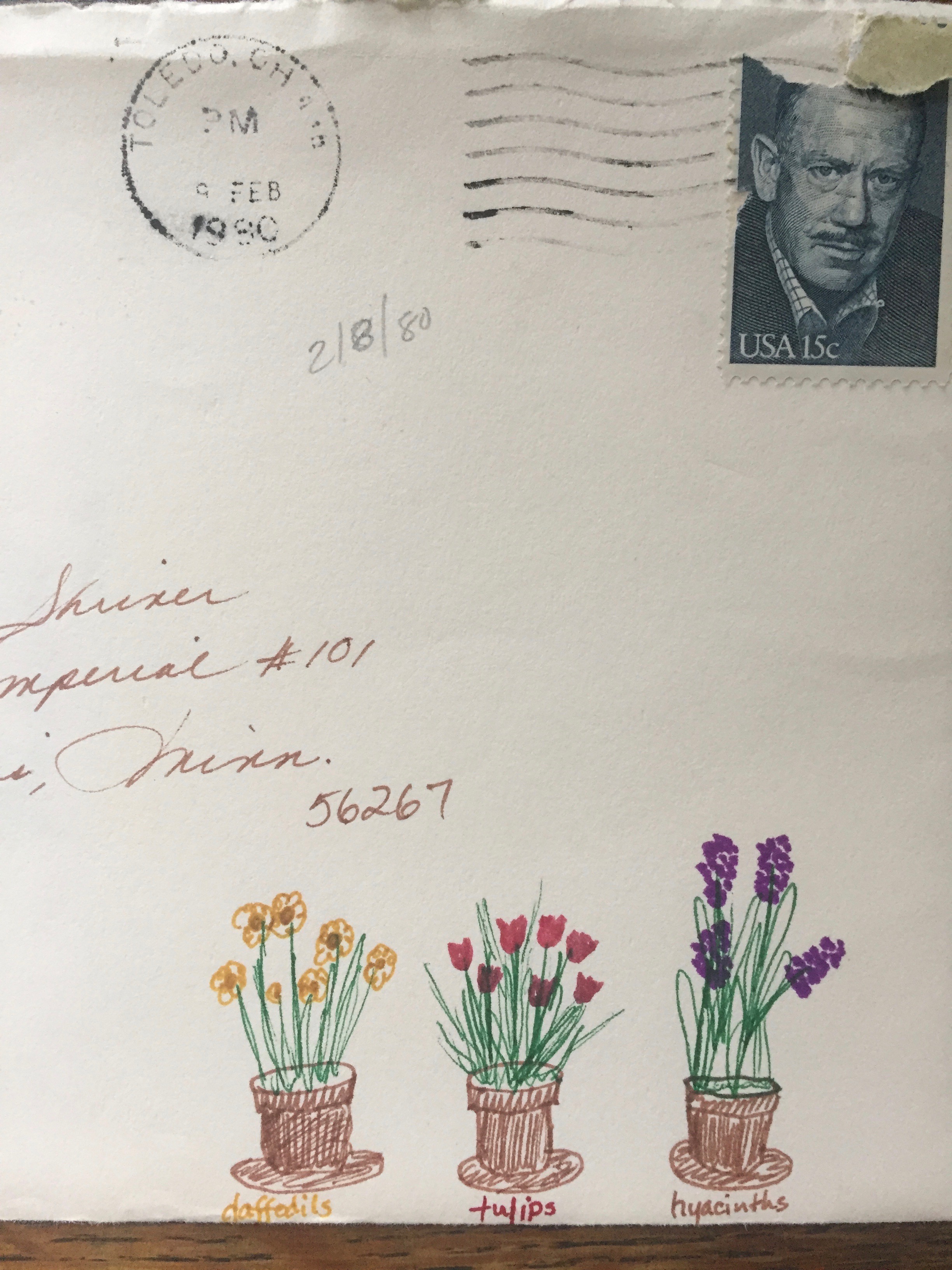
I bought some stationery and stamps, but I discovered writing letters is different now. I no longer dash off a note as I used to. Now I slow down, think through what I want to say. Instead of just selecting and deleting a phrase, I have to scratch it out or start over if I want to reword it. Because they take more effort, letters seem more weighty, as if they should only be used for important messages. But I’m resisting that. I hope to recapture the lighthearted fun of writing a letter and hopefully share the surprise and delight of receiving a letter.
In time, my son will have a stack of letters (albeit a smaller one). They’re visible proof of our love and connection, unlike calls, texts, and emails, which usually exist in the moment and then disappear into the ether.
And really, staying connected is the point.

As writers, sometimes our own light flickers, but it can be rekindled by a spark from another person. The WordSisters are grateful to you, our readers, for inspiring us and sharing your thoughts with us since 2012.
We wish you a full helping of love, laughter, and good food this Thanksgiving.
