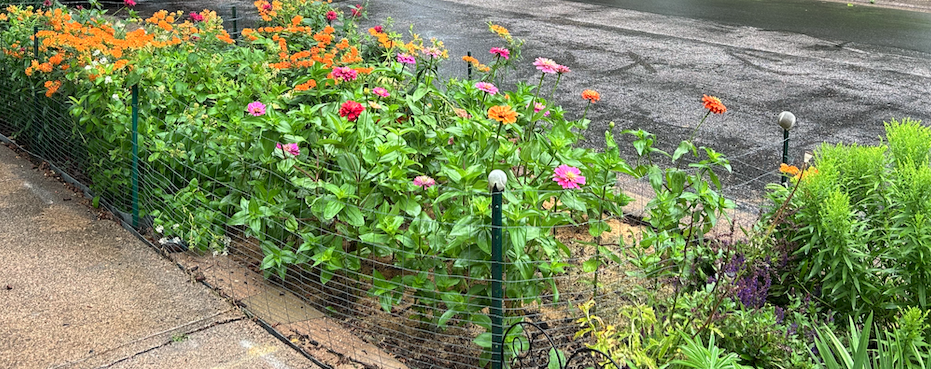
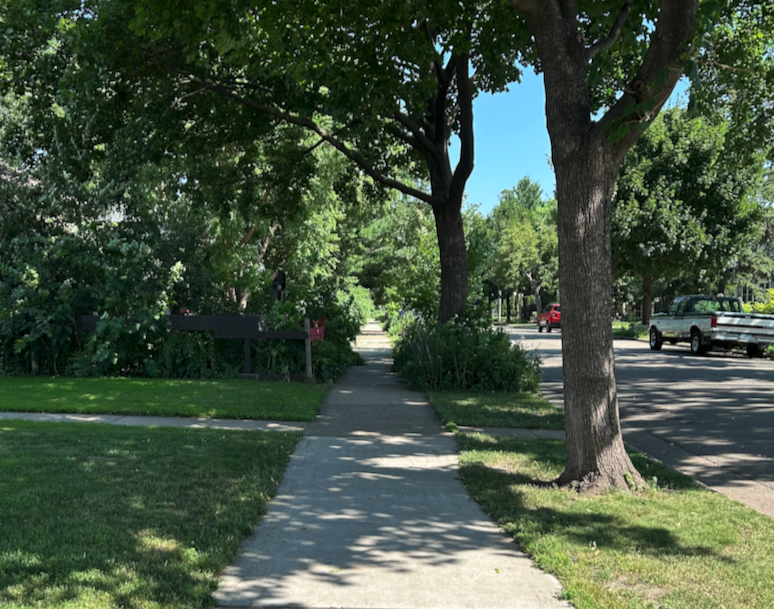
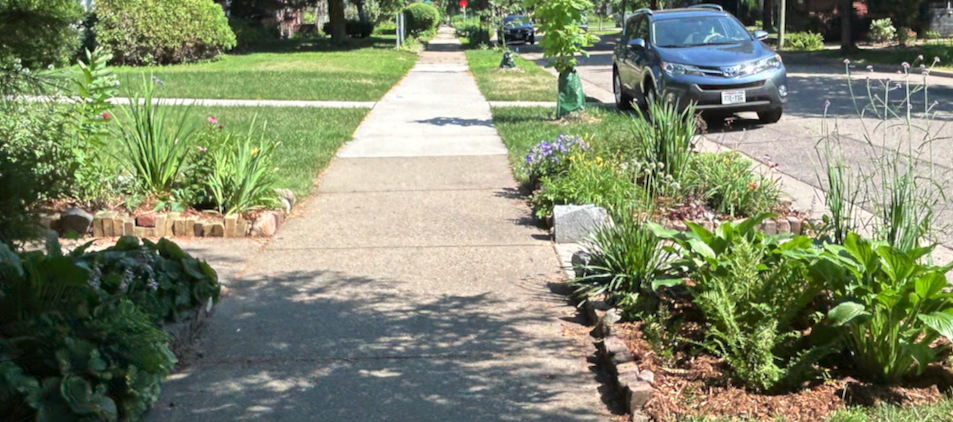
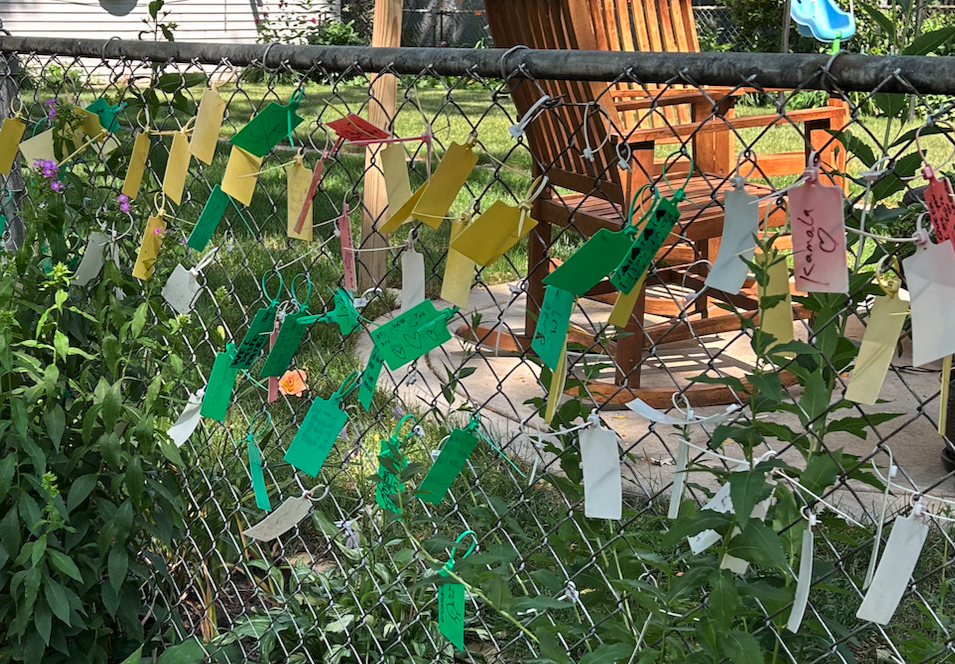
On summer mornings, I walk early. Sun filters through shade trees and the humid air is soft. A light breeze stirs as I circle the neighborhood enjoying the assortment of landscaping styles. In Minneapolis, the boulevard next to the street is often the focus for self-expression.
Tidy mown boulevards are uncommon
With native plants, nature takes its course
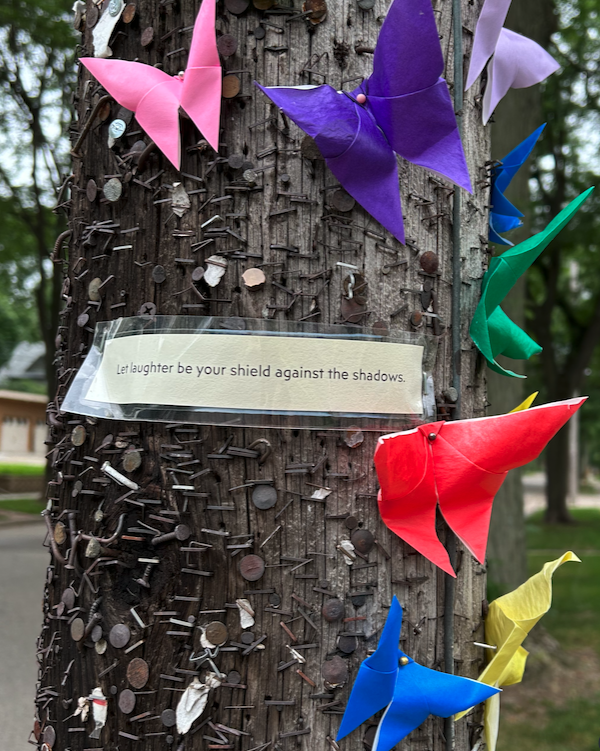
An offering of gentle inspiration
When it comes to gardens, more is more
Lost the plot—sometimes the vision gives way to busy reality
Bone box—a welcoming community
Nature put it there and Nature can take it away (because I’m not gonna)
A spontaneous phone call from with a close friend or family member is a nice surprise. Depending on who it is, we might chat about upcoming plans, air out concerns (kids, siblings, work, the country), discuss a plant I’m excited about, describe a meal that turned out way better than expected, or grumble about how hard it is to find shoes that fit.
After a good talk, I feel closer to the person and buoyed by our connection. I think the habit developed years ago when I lived 16 hours away from family and friends. Then the calls nourished and re-centered me. They were the logical extension to my in-person conversations—I definitely got the Shriner talk gene.
Recently, a few friends and family members have started asking to schedule a time to talk instead of trying our luck. That surprised me, since I like spontaneity. For some people, it’s a way of saying our conversation is important—let’s make sure we don’t miss each other. For others, it’s about being in different time zones. Fair enough.
But here’s the thing—I’ve also discovered unscheduled phone calls can irritate some people or make them anxious. There are varied reasons for this:
– Some rely on texting for casual chatting. A call signals trouble (Uh oh, what’s the matter?) Yikes! That never occurred to me since I prefer a call to a text.Calling offers nuance. Sarcasm, sympathy, irritation, worry, and amusement are easy to convey in a person’s tone of voice, but with texting, emojis have to do the heavy lifting of communicating emotional content.
– A spontaneous phone call may seem intrusive. Well, it can be. If I’m making dinner, working in the yard, or on a walk with my husband, I might not want to be interrupted. Then I let voicemail signal, “Not now.” If I make an impromptu call, I never assume the recipient has time to chat. I always ask if my call is convenient. If not, no worries! We’ll connect another time.
– Texting to request a call time is now seen as more polite. The recipient will be spared the potential awkwardness or discomfort of saying, “Now isn’t a good time.” It took me a while to wrap my head around that idea, since I’m comfortable telling a caller I can’t talk if I’m in the middle of something. Or I just let the call go to voicemail. Apparently, that reaction isn’t universal.
Scheduled vs. spontaneous phone calls? It seems to be a stylistic difference, maybe even a generational one. I have my preferences, but the goal is to connect, so I want to be sensitive to others’ needs and adjust if it improves our communication.
But if you’re thinking of me, just give me a call! I’ll let you know if I can’t talk.
Loads of articles encourage retirees to declutter our possessions and purge decades of accumulation. My generation is repeatedly reminded our kids won’t want our stuff. True. They’ll want it after we’ve given it away. Or never.
Purging sounds so virtuous.
The philosophy of decluttering or purging goes like this—discard what you don’t need. Pare down your belonging to the essentials. Ideally, give your stuff to someone who can use it. The process is also supposed to offer emotional benefits:
Get rid of what weighs you down—the boxes full of old files, the clothes that don’t fit, the shopping mistakes. Let go of the emotional weight of caring for all these things. The sense of responsibility and guilt are bad for you.
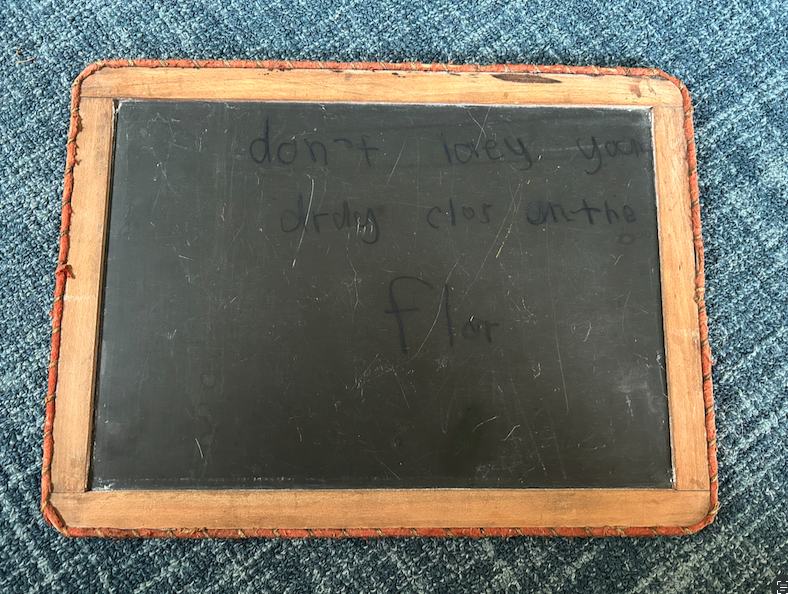
Think how light and refreshed you’ll feel when you have less stuff.Less to take care of. A clean slate. (Who the heck even knows what a slate is? Well OK, I do. It’s a personal chalkboard students did schoolwork on. I have one in my office closet that belonged to my grandfather. I’m not even that attached to it. Would a history museum want this artifact? Probably not, since my brother crayoned on it.)
The decisions and matchmaking are what short circuit the urge to purge.
Neighborhood Buy Nothing groups make it easier. You feel good about the matchmaking. The groups are well suited to offloading housewares and furnishings you no longer use. When we got a king bed, someone wanted our queen size mattress and bed frame. All I had to do was snap a photo and post the items. The neighbor who wants your stuff picks it up. No more loading up the car for a trip to Goodwill and driving bags and boxes around for weeks until you do the drop-off. No more staging a tedious garage sale only to find you still have to dispose of what didn’t sell.
Local Buy Nothing groups do a brisk trade in kids’ clothing, toys and equipment. I recently acquired a second booster seat for family dinners and I often scan posts for age-appropriate toys. My granddaughters’ wardrobes are supplemented with barely-worn-before-they’re-outgrown clothes and shoes from active Buy Nothing groups. The amount and quality of free stuff is astonishing.
People of my generation used to take things to Goodwill or similar charitable organizations. Sometimes I still do—mostly clothes. Recently, an energetic friend’s clean sweep inspired me to pack up a load of clothes and old purses I don’t use. Won’t use. I do feel a bit virtuous.
But right now, I’d like to purge any additional demands to declutter. Unload all those reminders and the associated guilt. It’s yet another thing that would be good for me . . . that I don’t feel like doing. Besides, the slate doesn’t take up much room in my closet.