In 2012, when Elizabeth and I launched WordSisters, we weren’t sure where this adventure would take us or if we could keep up the discipline of posting once a week. Our original motivation was attracting agents and publishers, but soon we were blogging for the pleasure of writing. We had things to say and stories to share. 10 years later we’re still writing!
Through the years, more sisters in writing joined us: Cynthia and Bev are regular contributors, while Brenda, Jill, Jean and Rosemary have occasionally posted.
Our insights arise from our lives—mothering, working, aging, living through COVID, reacting to events in the news, planning our futures and setting goals. I’m proud of the breadth of topics we’ve covered and the connections we’ve made with strangers all over the world .
Most of all I’m proud of us for persisting. For being here long after many bloggers have faded away.
One of our strengths is the variety of voices, styles, and subject matter each of us brings. In that spirit, here is a collection of best-of posts. I hope you’ll enjoy sampling them.
As a readaholic, I love getting lost in a story, whether fiction or memoir. A recent Strib article discussed reading two novels at once as a hedge against running out of books. Being without a book to read is terrible, but that’s not why I’ve begun reading several at once.
For years, I read one book at a time, diligently plowing through like the good English major I was. Not only did I read one at a time, but I also doggedly finished what I started.
Now those rules don’t hold me. If I don’t enjoy a book I ditch it. Life’s too short to read books I don’t like. Especially since there are so many books I can’t wait to read (The Family Chao by Lan Samantha Chang, The Pages by Hugo Hamilton, Libertie by Kaitlyn Greenridge).
Several things changed my habits.
Thanks to my two books groups, I’ve read and enjoyed many books I might not have picked up on my own (e.g., We Have Always Lived in a Castle by Shirley Jackson, Grace by Paul Lynch). However, sometimes I’m lukewarm about the chosen book. I read it to be a good sport, but I start another book for fun.
Occasionally, I choose difficult books because I want to be better informed about race, aging, Millennials, or whatever. I’m committed to reading them and I learn a lot, but they’re not plow-through-able. Weighty subjects need to be taken in smaller doses. In between, there’s the pleasure of fiction.
I’ve also taken this approach with recent Nobel prize winners (The Buried Giant by Kazuo Ishiguro, The Last Gift by Abdulrazak Gurnah) and classic literature I read so long ago I’ve forgotten it (Jane Eyre by Charlotte Bronte). I read a little and mull it over, read some more.
COVID and the heaviness of the world in the last six years have changed my habits. Being pinned in place away from my usual activities heightened my need for escape. The Pleasing Hour by Lily King and Perestroika in Paris by Jane Smiley took me away when I couldn’t travel.
Often my concentration has been undermined in COVID-times, so I alternated literary fiction with mysteries/thrillers (State of Terror by Hillary Rodham Clinton and Louise Penny) or lighter stories (This Close to Okay by Leesa Cross-Smith, The Book That Matters Most by Ann Hood).
A more recent phenomenon also supports my changed reading habits. Some nights I’m inexplicably sleepless for an hour or more. Then having several books to choose from helps.
Now I’m unapologetic and unfussed about reading several books at once: (Hell of a Book by Jason Mott, Smoke Gets in Your Eyes and Other Lessons from the Crematory by Caitlin Doughty, Emma by Jane Austen).
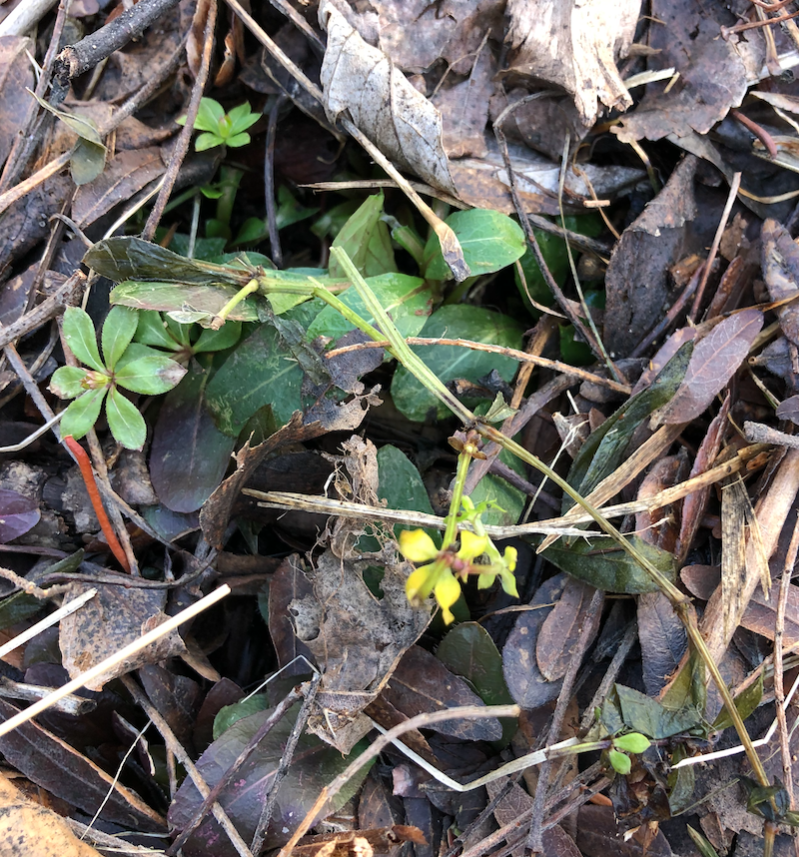
On days when sun warms my shoulders and tiny green leaves push aside matted brown ones, the idea of spring’s renewal buoys me.
I was raised Catholic and the celebration of Easter and spring have always been linked. But I’ve drifted away from the Catholic Church. The Easter rituals of my youth—the stations of the cross, Easter vigil, joyfully meeting the day in a new dress, hat, gloves and shiny shoes—are no longer relevant to me.
Easter is meant to be about immortality. Rebirth. But what does Easter mean to me now? I have more years behind me than ahead of me. The idea of rebirth in an afterlife should be coming into sharper focus, but isn’t.
Without the religious underpinnings, Easter feels odd. But Easter is still about gathering my family, enjoying a good meal, hope, and renewal.
The midwestern world is coming alive again after a long harsh winter. That’s reason to celebrate. My life and nature go on with their seasons.